In brief
The UN‑backed WHO warns that Ebola cases in the north and east of the DRC are expanding faster than official responses, prompting the government to use 20,000 doses in a clinical trial on the rare Bundibugyo species. 50,000 further doses will be deployed to frontline health workers. The outbreak—already claimed more than 2,500 lives—is the deadliest in the country’s history and a stark reminder of the difficulties posed by conflict, misdiagnosis and cultural burial customs. The M23 rebel group has halted inter‑province transport after two local Ebola cases, illustrating the complex context of this public‑health crisis.
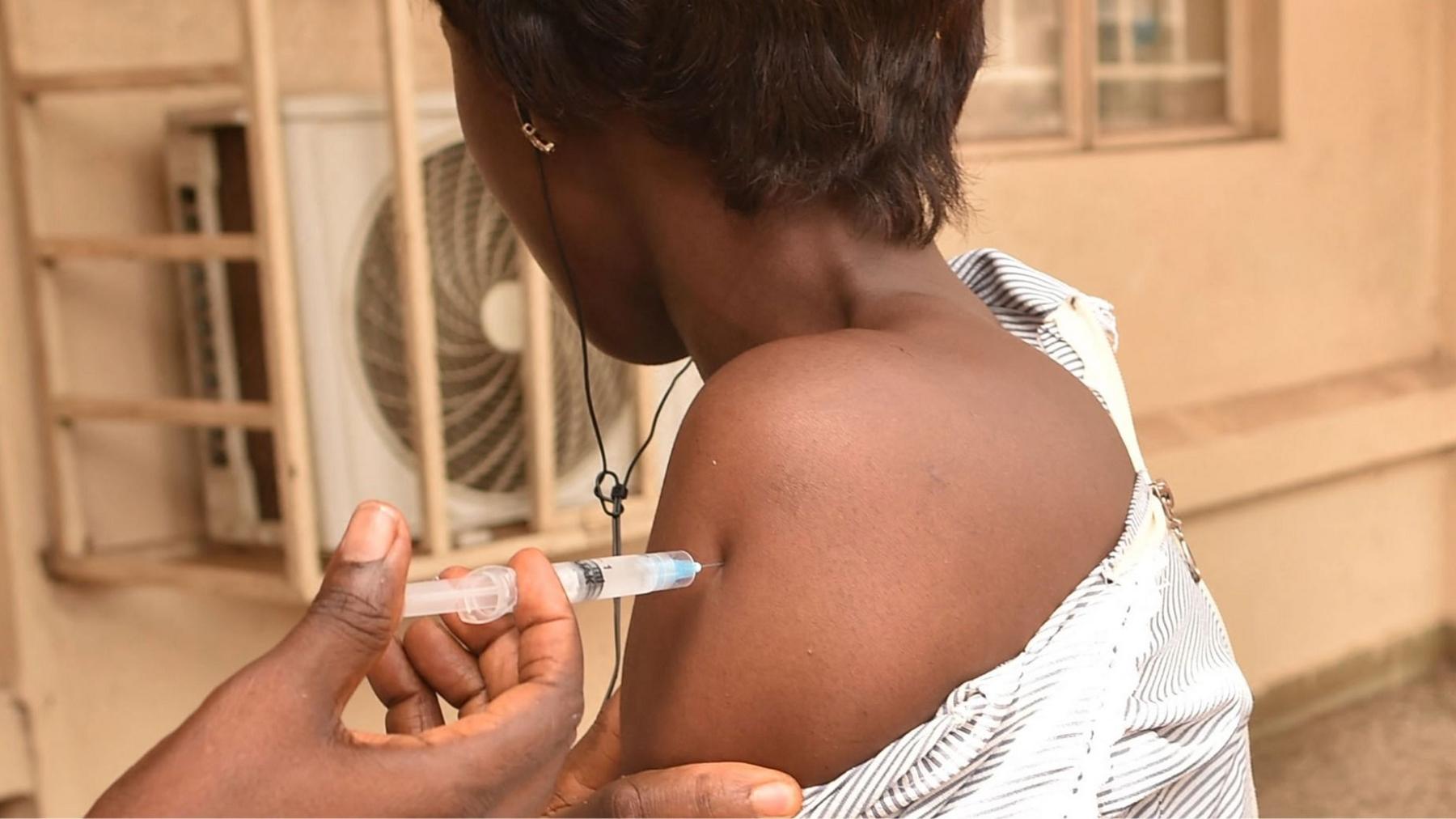
The Democratic Republic of the Congo (DR Congo) is embarking on a large‑scale Ebola vaccine trial this month, using the Ervebo vaccine that protects against the Zaire strain against the rarer Bundibugyo strain that has caused the current surge. The World Health Organization (WHO) says the outbreak is spreading exponentially across the north and east of the country, covering an area bigger than France.
The Ministry of Health has secured 20,000 vaccine doses for the trial and an additional 50,000 for frontline health workers. These numbers represent a significant reinforcement of the response, according to WHO and the Africa Centres for Disease Control and Prevention.
The Bundibugyo virus, first detected in 2007, is hard to identify because its symptoms mimic typhoid or malaria, leading to initial misdiagnoses in early 2025. Combined with ongoing hostilities, local distrust of health officials, and burial customs that risk exposure, containment has been difficult.
At least 180 Congolese children have lost both parents or caregivers as the outbreak progressed, according to a Save the Children report. Policy makers hope the vaccine’s success could limit future fatalities.
In the wake of these developments, the M23 rebel group in North Kivu has imposed a one‑month restriction on shared taxis and passenger boats between government‑held and rebel‑held areas. This restriction follows a report that two travellers tested positive in a village under rebel control. The rebel leadership insists the measures are necessary to prevent further spread.
The situation underscores the difficulty of fighting Ebola amid conflict, limited medical infrastructure and cultural practices that can both help and hinder disease control. Health authorities have warned that the current surge, which has already claimed over 2,500 victims, is the deadliest in DR Congo’s history and the second worst seen worldwide after the 2014‑2016 West African outbreak.