In brief
Former U.S. and French ambassadors describe Moscow as the toughest assignment of their careers, with embassies under constant surveillance and staff cutbacks. They recount hidden listening devices, pressure from Russian counter‑intelligence, and the challenges of maintaining diplomatic functions amid sanctions and staffing shortages. Russian officials assert that Western diplomats engage in espionage, further straining relations. Despite the difficulties, ambassadors emphasize the importance of their role in keeping channels open between governments and peoples.
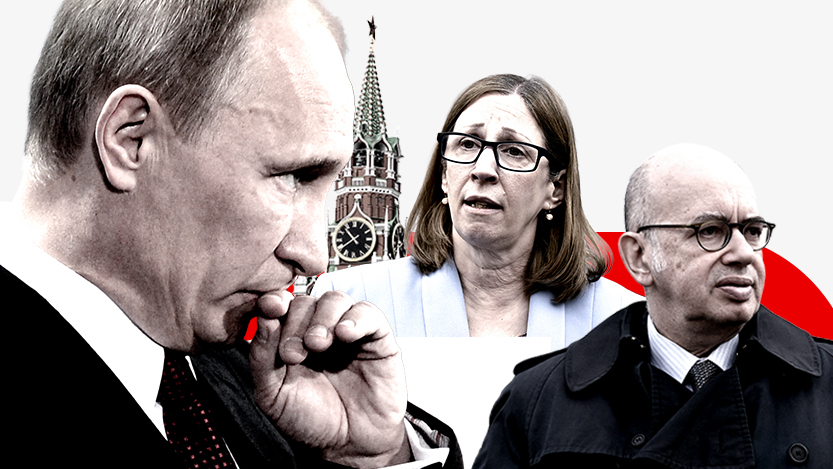
Ex‑U.S. Ambassador Lynne Tracy and former French Ambassador Pierre Lévy describe Moscow as the toughest posting of their careers. The full‑scale invasion of Ukraine in 2022 has turned every routine diplomatic task into a mission fraught with security checks, staff shortages, and a pervasive sense of uncertainty.
According to Tracy, the Kremlin’s counter‑intelligence presses constantly: hidden listening devices, cameras in every room, and demands that embassy staff trace the movements of aides. This surveillance mirrors Cold War tactics—except on a far larger, more personal scale. She says the experience in Moscow was harder than a posting in Peshawar, where she had survived an armed attack in 2008, because of the lack of control over day‑to‑day security.
Since the war began, Moscow expelled hundreds of Western diplomats, and many embassies now operate with half the normal staff. Unintended consequences include shortages of essential services: a leaking pipe could become a major problem if facility teams had been removed under a 2021 ban on hiring foreign nationals. Financial sanctions further complicated life: when Russian banks were cut off from SWIFT and Visa and Mastercard suspended operations, some embassies ran out of cash, relying on colleagues to bring rubles in suitcases.
Russian officials openly accuse foreign diplomats of espionage, and have begun to discourage contact with Western staff. Ambassadors note that the Kremlin’s intimidation tactics extend beyond embassies: pro‑Kremlin activists harass guests at events, and police question them as they leave. Consequently, many Western diplomats have opted to step down, citing constant paranoia and the emotional toll of living under surveillance.
Nevertheless, Tracy and her colleagues stress the strategic importance of their role. “Generals prove what they can do in a war, and the same is true for diplomats,” she says. By maintaining communication channels and nurturing people‑to‑people ties, diplomats hope to lay groundwork for government‑to‑government rapprochement should the conflict eventually resolve.