
In brief
The Capital Area Food Bank in Washington D.C. is experiencing a sharp rise in demand as the government shutdown drags on, mirroring the economic hardships faced by many local households. With substantial increases in food distribution needs, experts warn that the long-term effects could have devastating impacts on the regional economy and families who have never sought help before.
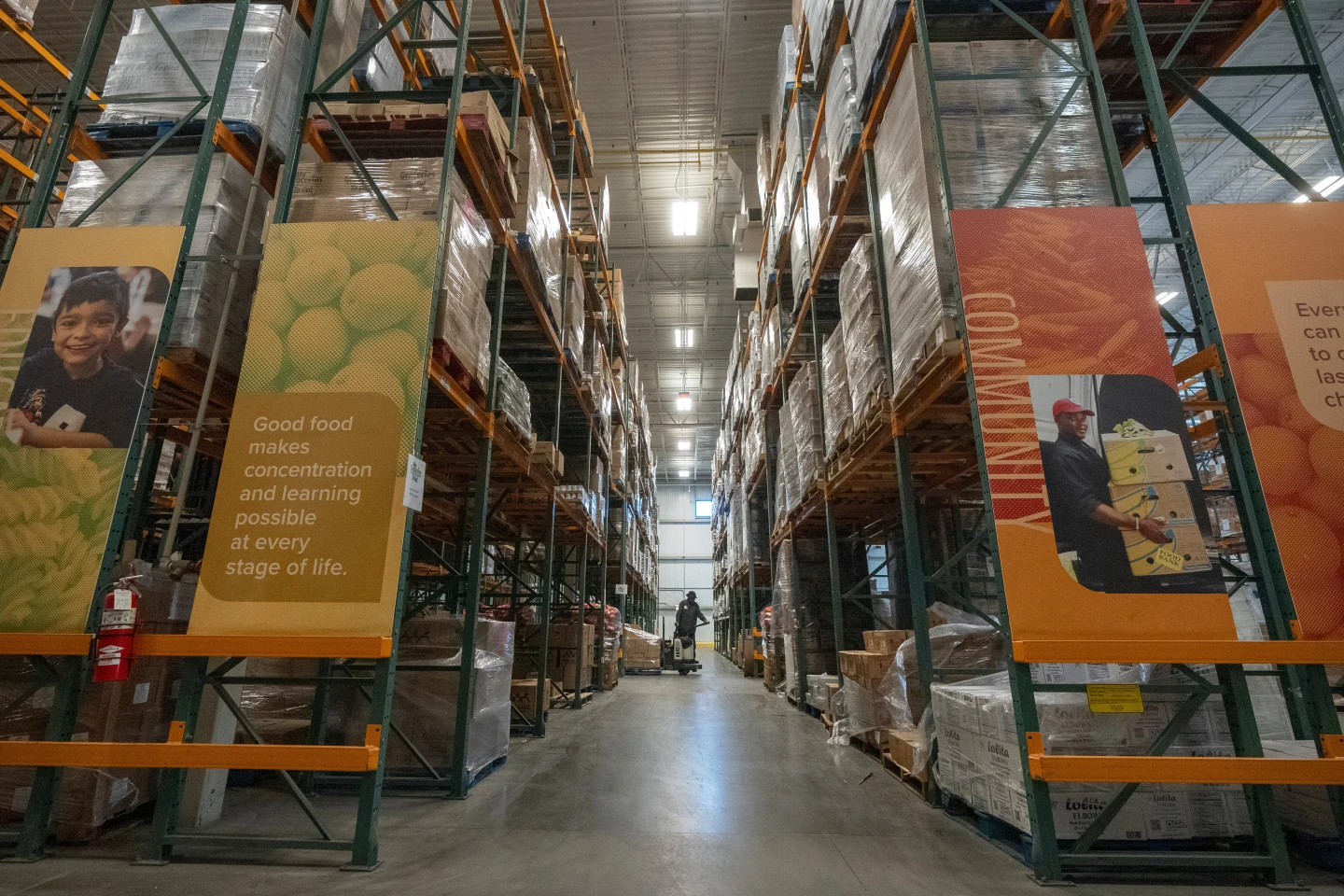
WASHINGTON (AP) — The ongoing government shutdown is leading to a surge in food insecurity in Washington, D.C., as federal workers face layoffs and cuts in food assistance. The Capital Area Food Bank expects an additional 1 million meals to be distributed this month compared to prior forecasts, as the organization grapples with the effects of the shutdown.
CEO Radha Muthiah remarked, The city is being hit especially hard due to the sequence of events that have occurred this year, referencing the numerous adverse decisions made during the Trump administration that exacerbated local economic conditions.
According to labor statistics, D.C. has one of the highest unemployment rates in the nation at 6%, significantly above the national average of 4.3%. This shutdown, which has affected the paychecks of around 670,000 federal employees and about 730,000 employees working without pay, adds to the pressure already being felt in the community.
Impact on Local Businesses
The local economy, heavily reliant on discretionary spending by federal workers, is showing signs of strain. The number of daily commuters through D.C.’s transit system has decreased by 25%, severely impacting local businesses that depend on a steady influx of customers.
Ryan Gordon, a co-owner of a local bar, stated, Business is down about 50% compared to pre-shutdown levels, indicating that not only dining establishments but also nearby businesses have seen decreased traffic.
Families in Distress
Personal stories highlight the human side of this crisis, such as that of Thea Price, who after losing her job and that of her husband, now finds herself seeking food assistance for the first time. With reduced SNAP benefits and mounting financial pressures, she plans to relocate away from the expensive D.C. area.
In preparing for the upcoming holiday season, the Capital Area Food Bank emphasizes its commitment to serving those in need, as Muthiah notes, People are borrowing against their futures in order to meet their basic needs today. The challenges brought on by the shutdown are expected to have long-term implications for the local community, with many families forced to rely on food banks like never before.
