In brief
Australia is becoming a global hub for AI data centres, attracting over A$155 bn in investment. While the industry claims to generate new jobs and drive innovation, residents in Sydney suburbs like Lane Cove are alarmed by noise, increased water consumption and the risk of coal‑ and gas‑linked power generation. State officials argue the boom will enable a shift toward renewable energy and new tech roles, yet critics say the costs to households and the environment could outweigh the benefits.
Australia has become a Magnet for artificial‑intelligence infrastructure, with 162 data centres already in place and a planned 90 more. The promise is of cheap, readily available power, proximity to cloud‑users and a pathway for domestic AI innovators.
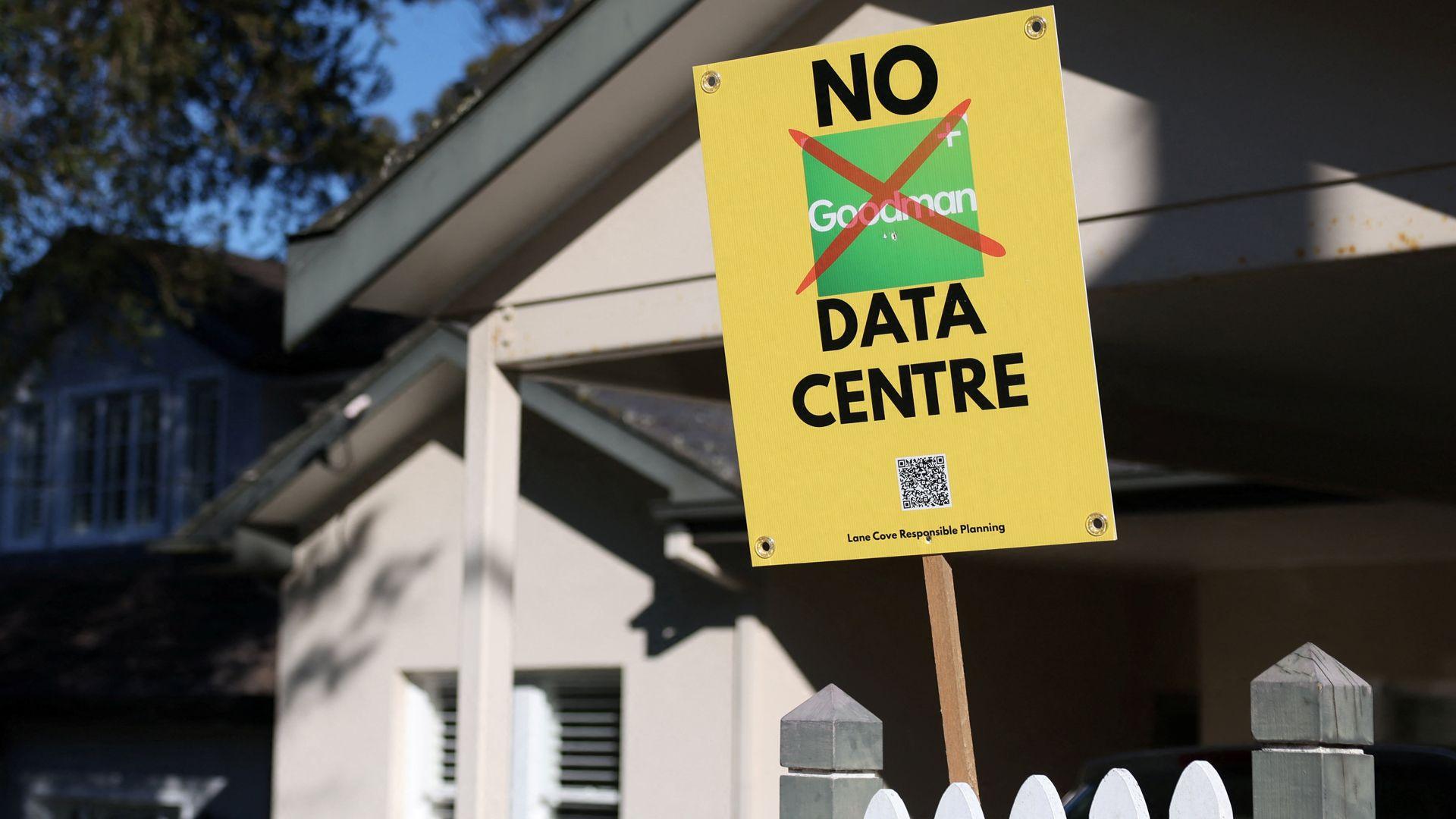
Yet for residents of the Sydney suburb of Lane Cove, the servers hum insistently from only 350 metres away. A quiet nuisance accompanied by a projected 40‑million‑litre‑daily water draw that could supply the city’s need for new drinking supplies.
Power and Water Worries
The Australian Energy Market Operator estimates that data‑centre electricity consumption could see a three‑fold increase by 2030. Without fitting new renewable generation, the command could manoeuvre an up‑to‑26 % rise in New South Wales power prices by 2035, the Climate Council says. To keep servers running, operators have already begun securing gas‑fired plants and diesel backups.
Water usage is equally alarming: an existing data centre in Artarmon alone may consume up to 25 per cent of Sydney’s drinking water by 2035. The government’s forthcoming 2027 legislation will compel new facilities to pledge power supply, limit water use and pay for extra infrastructure – but it is not retroactive for projects already underway.
Local Community Impact
Four data centres in an industrial park in Lane Cove’s lower north shore in the pipeline could force over half of 500‑plus businesses located there to relocate, threatening 1,000 construction jobs and less than 100 in‑house staff later. The Deputy Mayor of Lane Cove, Rochelle Flood, argues that the ambition to become “the data‑centre capital of the world” may undermine the region’s net‑zero water, land and environmental targets.
There are also public questions about purpose. The Wall‑Europe AI governance sphere notes that many AI requests are trivial such as cat‑GIF generation, raising doubts that energy spent on infrastructure is matched by tangible societal benefit.
The State’s Take
State Treasurer Daniel Mookhey insists the growth will help replace coal plants and diversify the power mix. According to him, data centres will attract skilled mining‑style jobs and, with fresh investment, push renewable energy further. Opposing voices, however, demand a pause on new projects until water and energy infrastructure can keep pace.
As the debate continues, a balancing act between economic development and environmental stewardship will likely shape Australia’s AI roadmap for the coming decade.