In brief
China and Nepal have confirmed a large-scale disaster following a glacial collapse that generated a powerful debris flow. Early estimates report at least 475 deaths in Nepal and hundreds still missing, including many foreign tourists. Rescue teams face the risk of a secondary flood as a lake threatens to breach. International governments – China, India, the UK and the US – have pledged aid and support, while UN agencies mobilise relief supplies. The crisis underlines how climate‑driven glacier melt can trigger sudden, deadly hazards in the Himalayas.
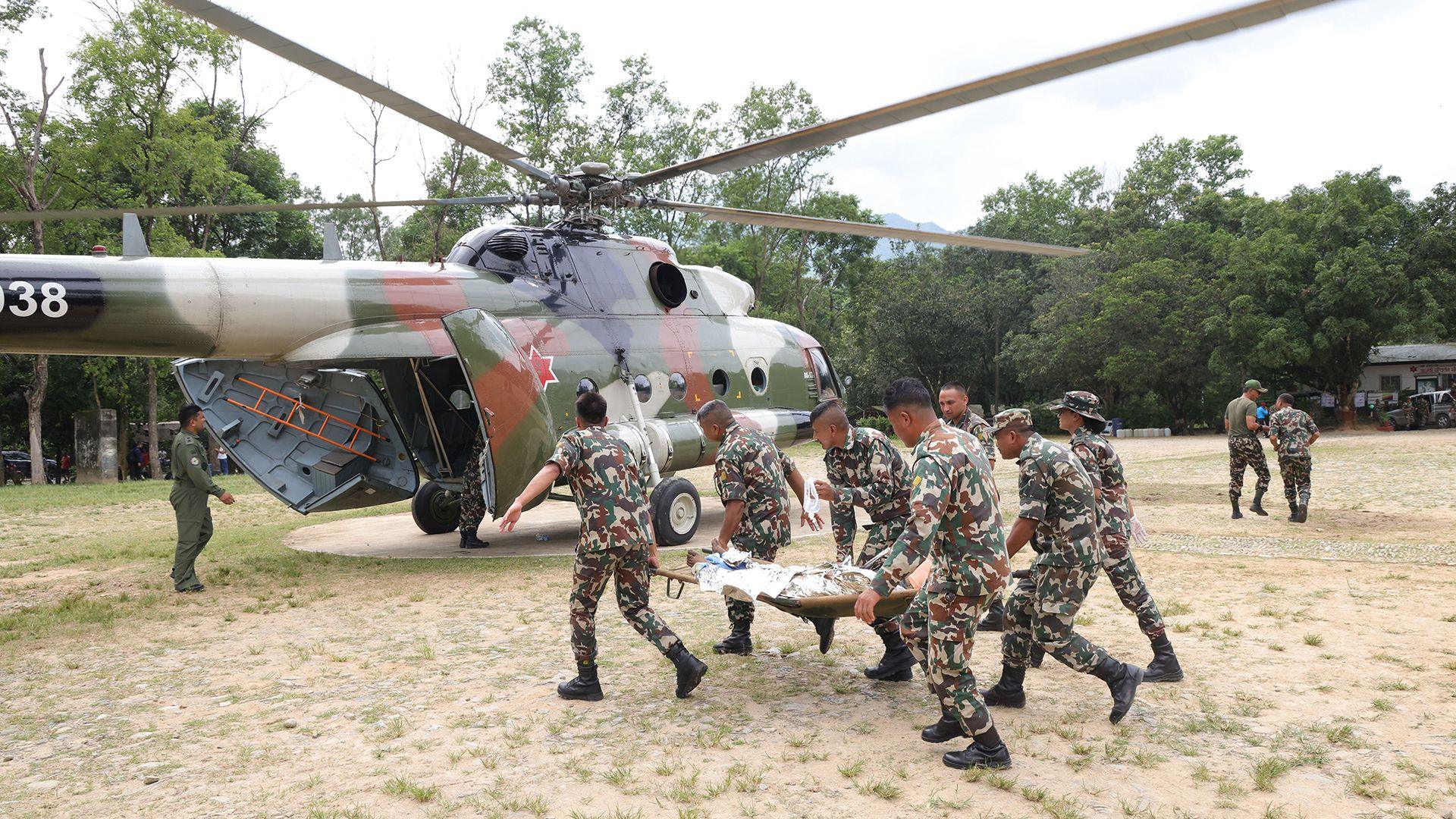
Massive landslides and flash floods on the Nepal‑Tibet border have devastated villages, killed hundreds and left many missing. Early estimates from Nepalese officials put the death toll at more than 470, while Chinese media report the disaster was linked to a sudden glacial collapse that produced a powerful wave of debris. Rescue teams, working under threat of another flood from a newly-formed lake, have been struggling to reach the most isolated areas.
What caused the disaster?
Scientists say the epic event was triggered by a part of a glacier on the Tibetan side of the border giving way. The collapse hurled ice and rock into the valley, creating a debris flow that triggered the flood waters. While an earthquake had been speculated at first, the US Geological Survey confirms the main shock came from the glacier itself rather than tectonic movement.
Casualties and missing persons
Within a day the Nepal Police had confirmed 475 people had died; 910 were still missing, including 517 foreigners, 44 Nepalese army personnel and 28 police officers. In Tibet’s Gyirong county, the C‑CTV report listed 558 missing, with 260 foreign nationals. Among the lost were tourists from India, China, the United States, Ukraine, Malaysia, Australia, the United Kingdom and Canada, illustrating the wide impact on international visitors.
Government responses
Prime Ministers Balendra Shah (nepali) and Narendra Modi (Indian) announced urgent humanitarian, medical and logistical support. Chinese President Xi pledges stronger monitoring and early‑warning systems to prevent a secondary flood. UN Secretary General Guterres said UN teams and partners are mobilising supplies and field staff. The United States offered $500,000 to cover shelter, water and sanitation, while the UK pledged £5 million and committed to protect British citizens.
Missing tourists – nationalities affected
India: 288 missing; China: ~100; United States: 65; Ukraine: 53; Malaysia: 51; Australia: 39; United Kingdom: 33; Canada: 24. Smaller groups from South Korea, South Africa, Portugal, the Netherlands and New Zealand are also reported missing. These numbers highlight the global reach of the disaster and the challenges faced by families waiting for news of loved ones.
The unfolding situation demands coordinated international aid, rapid search and rescue, and long‑term support for the severely affected communities in the high‑altitude regions of Nepal and Tibet.