In brief
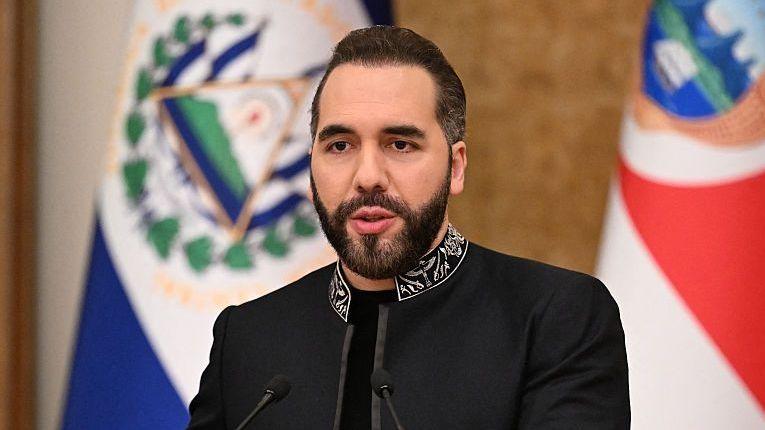
President Nayib Bukele announced that El Salvador has launched a military mission to recover four air‑force personnel who disappeared after an ambush in Haiti’s Croix‑des‑Bouquets. The soldiers, part of a UN‑sanctioned Gang‑Suppression Force, were reportedly captured while returning from a market in a heavily‑armed zone. Bukele warned that failure to secure the hostages’ safe return would trigger “further action” against Haitian gangs, framing the incident as a bold political statement amid Haiti’s escalating violence. The attack comes as Haiti grapples with a political vacuum, high gang casualties and postponed elections, highlighting regional security spillovers.
President Nayib Bukele has declared that El Salvador has launched a military operation aimed at retrieving four air‑force officers who have been missing since Sunday after an ambush in the Croix‑des‑Bouquets area of Haiti. The officers, part of a gang‑suppression unit approved by the United Nations Security Council earlier this month, were allegedly seized by “heavily armed criminal groups” while returning to their camp in an armoured vehicle that later caught fire.
In a statement posted on social media, Bukele warned that the “Wednesday attack” was a “small gesture” compared with the consequences if the hostages were not returned alive. He described the kidnapping as “cowardly” and urged Haitian gangs that the country would respond decisively if the four men were not released unharmed.
The Salvadoran army has mobilised helicopters and ground units, but fighting and security conditions have hampered evacuation attempts. Early reports of the rescue operation indicated that several gang members were killed, though no gang has claimed responsibility for the attack to date.
This development follows the United Nations’ warning that Haitian gangs are extending their reach into rural areas and intensifying reprisals against civilians. Haiti’s political paralysis—no elections since 2016 and postponed presidential and legislative elections—has left the nation vulnerable to continuous violence, with more than 5,500 people killed in gang‑related incidents in 2024 alone. Roughly 85 % of Port‑au‑Prince is now under gang control.
The international community watches closely as tensions rise between two fragile democracies, while the plight of civilian populations caught in the crossfire grows increasingly dire.