In brief
In a landmark decision, Las Vegas jurors found former gang leader Duane "Keffe D" Davis guilty of orchestrating the drive‑by shooting that killed 25‑year‑old rapper Tupac Shakur. The verdict, the first conviction in a 30‑year cold case, hinges on Davis’s own police interview and memoir. Shakur’s family and fans reacted with tears and celebration, while Davis announced he would appeal. The case underscores the long‑standing cross‑city rivalries in the 1990s hip‑hop scene and the complex role of gang violence in celebrity deaths.
In a landmark decision, Las Vegas jurors found former Crips boss Duane "Keffe D" Davis guilty of orchestrating the drive‑by shooting that killed 25‑year‑old rapper Tupac Shakur on 7 September 1996.
The verdict marks the first conviction in a 30‑year cold case and is based largely on Davis’s own police interview in 2008, which documented his presence in the white Cadillac that fired the fatal shots. Prosecutors also relied on his 2019 memoir, “Compton Street Legend”, where he repeatedly claimed responsibility for the murder.
During the trial, Davis himself stood in a black suit at the clerk's stand as the verdict was read, announcing that he would pursue an appeal. His lawyer defended him as a storyteller who used his accounts to sell books, but the jury found no credible exoneration for the allegations.
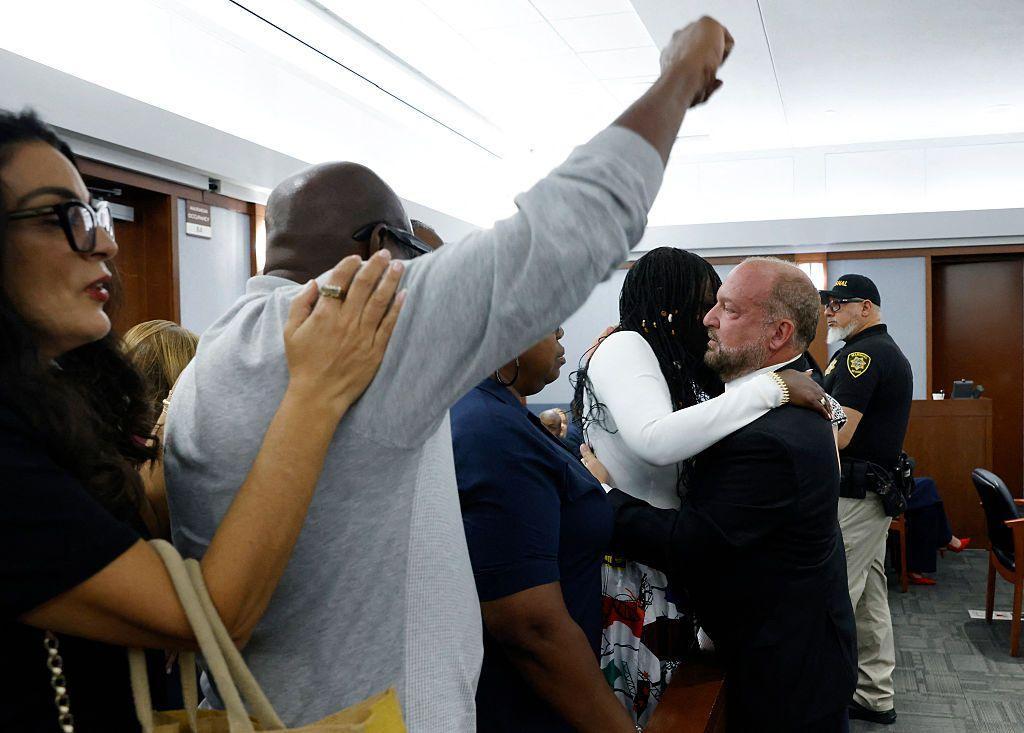
Shakur’s family gathered in the courtroom, trembling in tears, while a gathered crowd outside the courthouse chanted in grief and celebration. The incident, which occurred amid hot‑wired East Coast/West Coast hip‑hop rivalries and entrenched Crip/Underground Blood tensions, had long fueled conspiracy theories about who was responsible for the rapper’s death.
Court documents note that Davis ordered the shooting in retaliation for an earlier altercation involving Tupac’s crew and his nephew Orlando Anderson, who later died in an unrelated incident. The judge set Davis’s sentencing date for 13 October, and Davis requested the right to appeal immediately after the verdict.
This conviction brings a sense of closure to a case that haunted the music world for decades, and it casts new light on the intersections of street gang dynamics and murder within the 1990s music industry. The case also raises questions about how the justice system deals with long‑standing, high‑profile crimes that may otherwise remain unsolved for years.