Warning: This story contains references to sexual assault and suicide:
The death by euthanasia of a 25-year-old Spanish woman after a protracted legal battle with her father has triggered debate about the role of the state in caring for her and why it took so long to implement her wish to end her life.
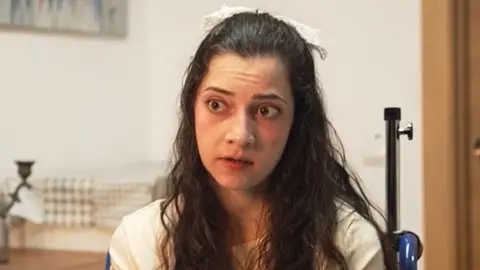
Noelia Castillo, who had been left paraplegic due to injuries suffered when she tried to take her own life in 2022, died on Thursday evening at a Barcelona hospital. The Catalan regional government had granted her the right to assisted dying in 2024. However, the process was suspended at the last moment after legal objections raised by her father, backed by campaign group Christian Lawyers.
The case has received enormous attention in Spain, with Christian Lawyers attempting to block her death until the last moment. After an 18-month legal battle, the European Court of Human Rights (ECHR) ruled in Castillo's favor, leading to her death being confirmed late on Thursday.
Castillo had previously recounted the detrimental impact of her family's struggles and her experiences of sexual assault throughout her life. In her final words, she asserted her desire to end her suffering, a wish not supported by her family.
The case has sparked strong reactions, with the opposition conservative People's Party and the Catholic Church highlighting systemic failures in her care. Critics also note the negative role legal challenges played in prolonging her suffering, questioning if sufficient support was provided in her final years.
As advocates for euthanasia highlight the importance of respecting individual choice, the tragic story of Noelia Castillo raises profound questions about mental health, legal rights, and the state's responsibilities towards its citizens.