Digital lifeline: Gaza tech workers keep the future alive amid war
Amid the rubble of Gaza, a generation of software engineers and freelancers has forged a new livelihood through online work and co‑working spaces.
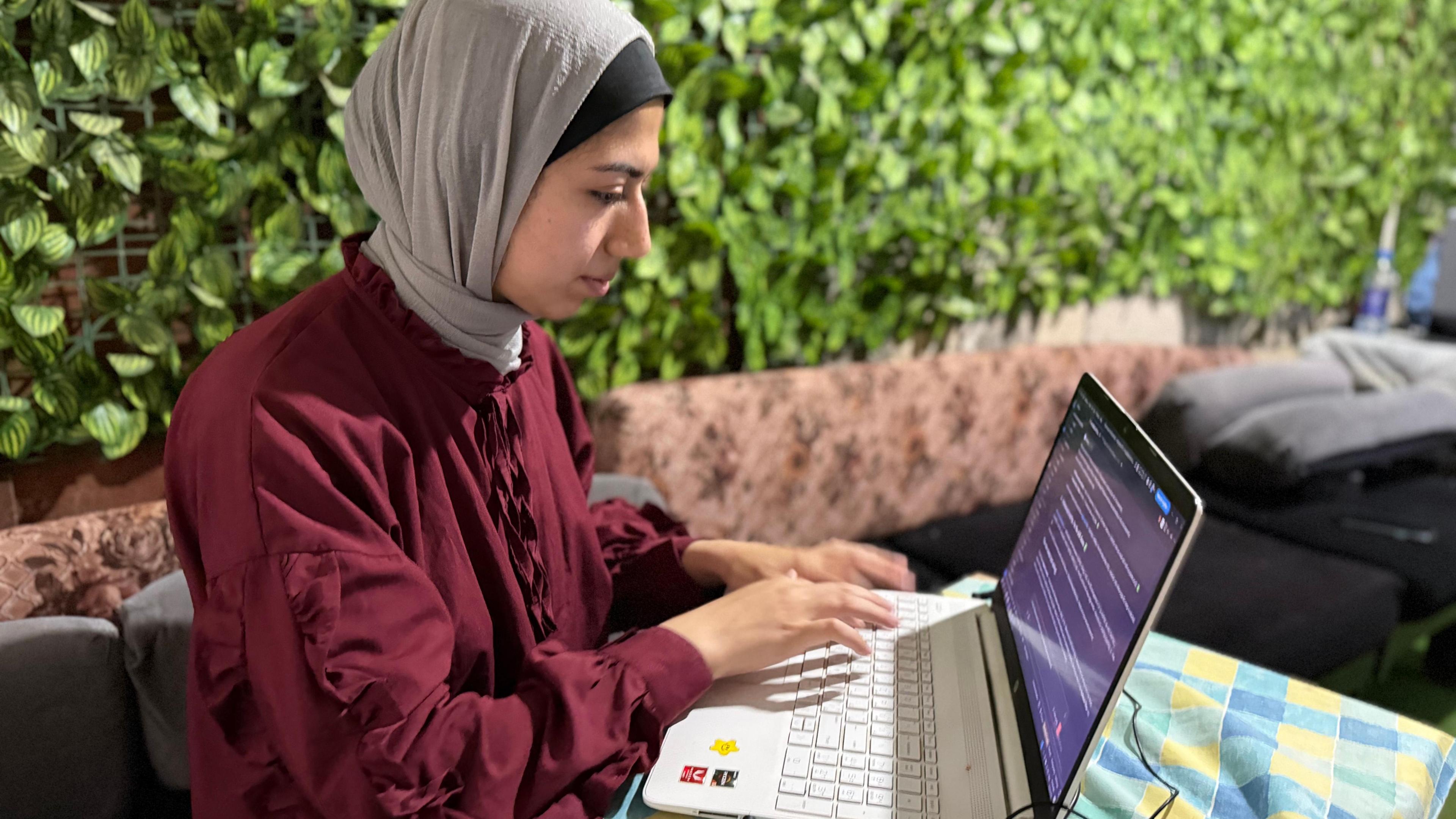
The story follows 24‑year‑old Walaa Volidis, who juggles remote AI projects while living in a tent with her parents and four younger siblings.
She says she lost her job, university and several family members when the war began, yet her determination to keep learning and coding drives her forward.
Walaa’s work is connected to mentors in California’s Silicon Valley, keeping her skills updated and opening doors to international clients.
In Gaza, the power grid is almost collapsed and most telecommunications have been destroyed. Co‑working hubs use generators and solar panels to provide a stable internet connection, giving local talent a chance to earn online.
Humanitarian groups like Mercy Corps see digital freelancing as a lifeline, helping people maintain incomes without constant aid dependency.
Former CEO of a local firm, Tarik Zaeem, now freelances from a makeshift office in Gaza City. He has produced apps for Saudi clients while supporting his wife and three children who live across the border in Egypt.
Payment difficulties persist: Israeli banks have halted operations, and digital payment platforms are largely inaccessible. Many freelancers rely on brokers who charge high fees, leaving them with only half their earned wages.
Despite these hardships, many tech workers view their situation as a blessing compared to the overall blockade. Walaa has secured a full‑time position in Dubai with the help of the Palestinian‑Dutch NGO TAP.
She aims to use the income to help her family and to enable her sister’s medical evacuation, who suffers from chronic swelling due to war injuries.
These stories illustrate a possible future where Gaza’s youth can rebuild their lives through technology, bridging the gap between local talent and global markets.