In brief
Beer sales in Germany have dropped to their lowest level in three decades, prompting a rise in non-alcoholic beer consumption among younger generations. As health consciousness grows, breweries adapt by creating appealing non-alcoholic options, while traditional beer remains significant during cultural festivities.
Germany is experiencing a decline in traditional beer consumption, as recent statistics indicate that overall beer sales have fallen below 4 billion liters—the lowest in almost 30 years. Conversely, sales of non-alcoholic beer have surged by over 100% since 2013, as younger Germans seek healthier alternatives.
In the first half of 2025, beer sales dropped by 6.3%, equating to approximately 262 million liters. The Erdinger brewery, renowned since the 1880s, reports that almost a quarter of their output is now non-alcoholic, highlighting a shift in consumer tastes. CEO Stefan Kreisz emphasizes the need to promote these beverages as enticing options for youth.
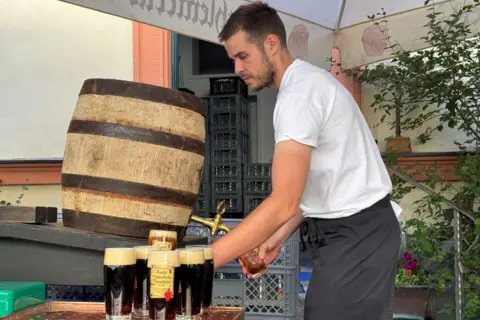
At local venues such as Café Kosmos in Munich, bartenders note a growing health consciousness among customers. Many are integrating alcohol-free beers into their routines, reflecting changing attitudes towards drinking. Bavarian cultural events like the Sandkerwa festival still celebrate traditional beer, suggesting a complexity in German drinking culture that coexists with these new trends.
Though alcohol-free beer is gaining popularity, beer enthusiasts maintain that the demand for full-strength beer remains strong, particularly in regions with a rich brewing history.