In brief
In the wake of a Ukrainian man’s arrest on charges of gathering military intelligence for Russia, German leaders have underscored that Russian espionage activity inside the country remains intense. Chancellor Friedrich Merz praised the capture as a success but cautioned that Russian intelligence still operates at a consistently high level. The case follows a string of arrests over the past year—variations of individuals allegedly acting for foreign powers, including a former BND head and other spies. Germany, a key supplier of weapons to Ukraine, highlights the continued need for close security cooperation with allies such as the United Kingdom. Analysts note that the developments signal a sustained effort by Russia to collect sensitive data in Europe.
Germany has warned that Russian‑run intelligence activity inside its borders remains at an intensively high level after the arrest of a Ukrainian national on suspicion of spying for Russia.
The detained suspect, identified as Vadym Y., is accused of collecting information on German military production, especially armoured vehicles, ammunition and explosives. He is scheduled to appear before a judge later in the week.
The arrest follows a series of earlier seizures of people thought to be working for Russia and other foreign powers, including a Romanian woman and a Ukrainian man linked to a drone supplier aiding Ukraine.
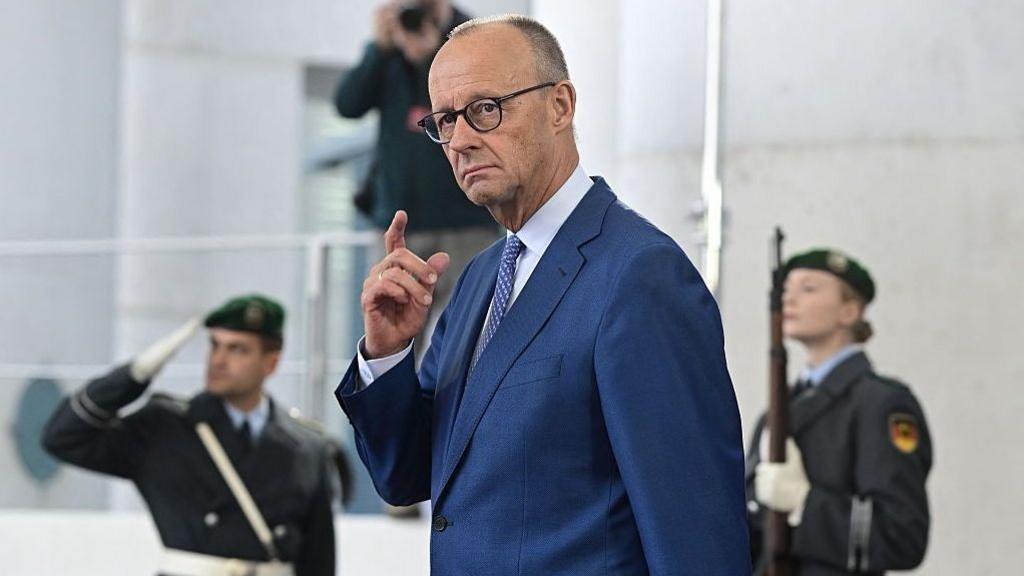
Merz, who has taken office this month, called the discovery a success but urged the public to remain aware of the persistent threat posed by Russian intelligence. He added that similar cases are likely to surface in the coming months.
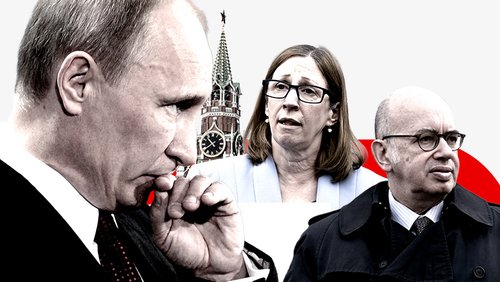
Additional reactions include the arrest of former BND chief August Hanning on accusations of espionage, treason and sharing classified data with a foreign state. Police also detained ex‑BND employee Manfred D., who is alleged to have transferred around 2,000 documents to Hanning for payment.
Merz used a conference in Montenegro to reaffirm Germany’s security partnership with the UK, stressing the importance of tackling hybrid threats and hostile activity together. This stands amid growing concerns that Russia could use covert operations to sabotage European infrastructure, an area highlighted by earlier attacks on German power grids.
The sees‑saw of diplomatic tension was intensified after Germany accused Russia of launching an explosive‑filled drone at Leipzig/Halle Airport. President Vladimir Putin responded by alleging that Germany planted evidence to implicate Russia.