In brief
With the European Union imposing a 47% reduction in steel imports, Metinvest CEO Yuriy Ryzhenkov argues that Ukraine is unfairly grouped with other low‑cost suppliers like China and Turkey. The EU maintains the quotas protect domestic steelmakers from overly cheap competition, citing the need to respect the Free Trade Agreement and market conditions. Ukraine’s steel sector, which accounted for a tenth of the country’s GDP before the 2022 invasion, faces staggering output losses amid ongoing bombings. Economic analysts warn that a 50–60% drop in exports could cripple the industry and impede war‑time reconstruction. The call highlights the widening tension between national security, trade policy, and global market dynamics.
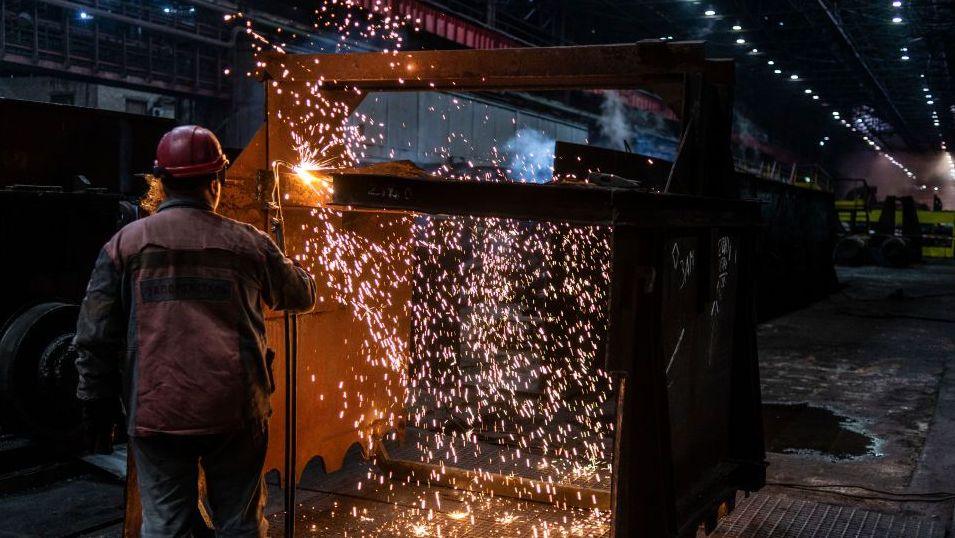
Ukraine’s steel chief demands EU tariff relief amid war damage and economic pressure. Yuriy Ryzhenkov, chief executive of Metinvest, says the bloc’s recent 47% cut in tax‑free steel imports unfairly groups Ukraine with cheaper competitors such as China and Turkey. He says the measures lack regard for Ukraine’s wartime situation, where the industry has suffered repeated bombings and a drastic fall in production.
The European Commission maintains the quotas are a legitimate protection for member state steelmakers that struggle against low‑priced imports. It notes that the existing free‑trade agreement does not bar separate protectionist measures and stresses that Ukraine’s quota is “lower than in previous years,” yet still protects some trade.
Metinvest estimates that a 50–60% decrease in EU exports could plunge the sector, which accounted for roughly 10% of Ukraine’s national income before 2022. The company reports that nearly 800 of its workers have died and cites intensified strikes that have halted production in September 2023, the first time in 150 years that a tonne of Ukrainian steel was not produced at the plant.
Some analysts see the EU stance as a balancing of competing interests: protecting its domestic industry while maintaining diplomatic relations with Ukraine. Others view it as an impediment to Ukraine’s economic resilience, especially as the country has limited market access beyond the EU due to the conflict. The call for a carve‑out reflects deeper questions about how international trade rules adapt to geopolitical crises.
Over the coming winter, Metinvest warns of intensified hardship, noting it has improved shelters at its mills but cannot shield the entire facility from sustained attacks. The company’s appeal underlines a pressing need for the EU to reconsider trade policies in the context of Ukraine’s ongoing war, balancing both economic sensitivities and strategic partnerships.