In brief
Saurav Das and Ashutosh Ranka, controversial figures at the forefront of the Cockroach Janta Party, walked out of Tihar jail after a magistrate ordered their release over a trespassing charge at Jantar Mantar. The pair, who rallied against alleged manipulation of voter rolls by the Election Commission, have become emblematic of India’s rising youth activism. While their supporters hail them as champions of democracy, critics point to their anti‑establishment rhetoric and question their legal right to protest. Their release has reignited debate over the rights of protestors, policing of public spaces, and the integrity of India’s electoral system.
The release of Saurav Das and Ashutosh Ranka from Tihar jail has sparked intense debate across India’s political spectrum.
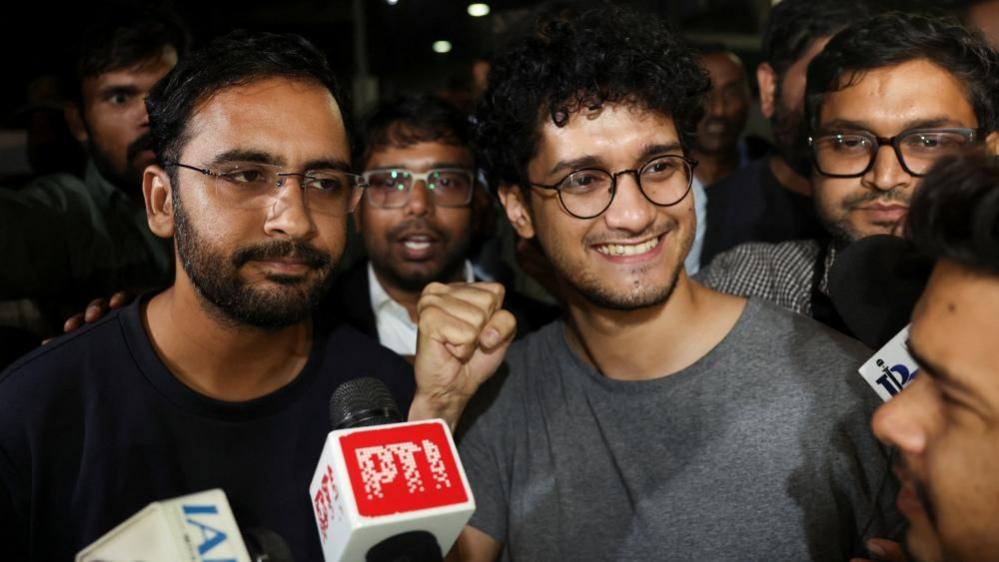
The two leaders of the Gen‑Z‑led Cockroach Janta Party (CJP) spent a week in detention after police accused them of trespassing at Jantar Mantar, a historic protest site that had just been removed from the government’s list of designated protest venues.
According to a Special Executive Magistrate in Delhi, the men were freed hours after the court ordered their release. Das, in a brief statement, announced that the "truth alone triumphs" and urged supporters to keep the movement alive.
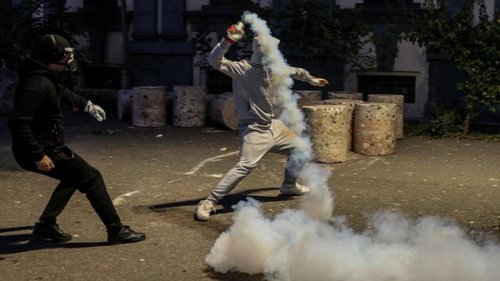
The CJP—initially an internet meme that grew out of a comparative ridicule of unemployed youth—has transformed into a significant opposition force. It rallied thousands against leaked exam papers, pushed for reforms in education, and sparked clashes that led to the resignation of the national education minister.
Recently, the focus has shifted toward India’s electoral system. The party accuses Chief Election Commissioner Gyanesh Kumar of manipulating voter rolls through the Special Intensive Revision (SIR) exercise, which has reportedly removed about 130 million names from lists in the last year. The CJP claims these changes benefit Prime Minister Narendra Modi’s Bharatiya Janata Party, an accusation both the party and the Election Commission have rejected.
Critics of the SIR warn that the process could disenfranchise eligible voters, while supporters allege that it purges dead and duplicate entries. The debate touches on the delicate balance between electoral integrity and individual voting rights.
For the CJP, Das and Ranka’s release is a symbolic victory that reinforces their narrative of fighting against an unfair system. For mainstream leaders and law‑enforcement officials, it raises questions about the use of legal mechanisms to curb dissent.
As India heads toward the next election cycle, the conflict between youth activism and institutional processes continues to unfold, with implications for both political engagement and democratic governance.