In brief
The European Union has rolled out a digital border system called Entry/Exit System (EES) that requires non‑EU passengers, especially those from the UK, to submit fingerprints and a photo during departure. Since its launch last October, queues have bloomed at busy airports, some lasting several hours, with airlines urging travellers to arrive three hours early. The system now operates at key European exit points, including London St Pancras, Dover and Folkestone, and a mobile app is being trialed in Sweden and Portugal. The EU is considering suspending checks in “exceptional circumstances” to avoid overcrowding and is boosting border staff in places like Portugal. Alongside EES, the EU will introduce a visa‑waiver system, ETIAS, for non‑visa‑required nationals from the end of 2026.
The European Union’s new Entry/Exit System (EES) is forcing travellers to submit fingerprints and photographs on their passports when leaving the Schengen Area, a move that has created unexpected queues at popular summer destinations. The system – launched last October – aims to replace manual passport stamping, tracking who enters and exits the 29‑country Schengen zone.
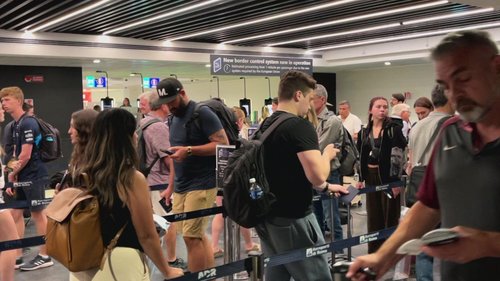
Since its introduction, UK citizens heading for France, Spain, Portugal, and Italy have reported waits of several hours, with some flights missed because passengers could not reach the gate on time. Airline trade representatives warn that in some airports queues could stretch to six hours, hinting at under‑staffing and technical glitches in the biometric registration process. Airlines such as Wizz Air recommend arriving three hours beforehand, though others like Ryanair have refused to delay flights for delayed passengers.
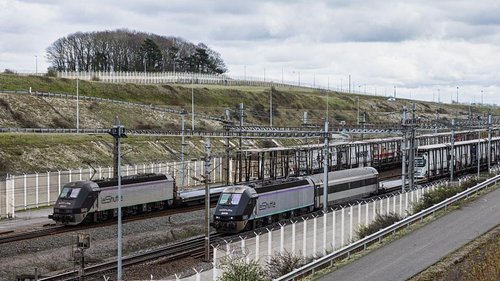
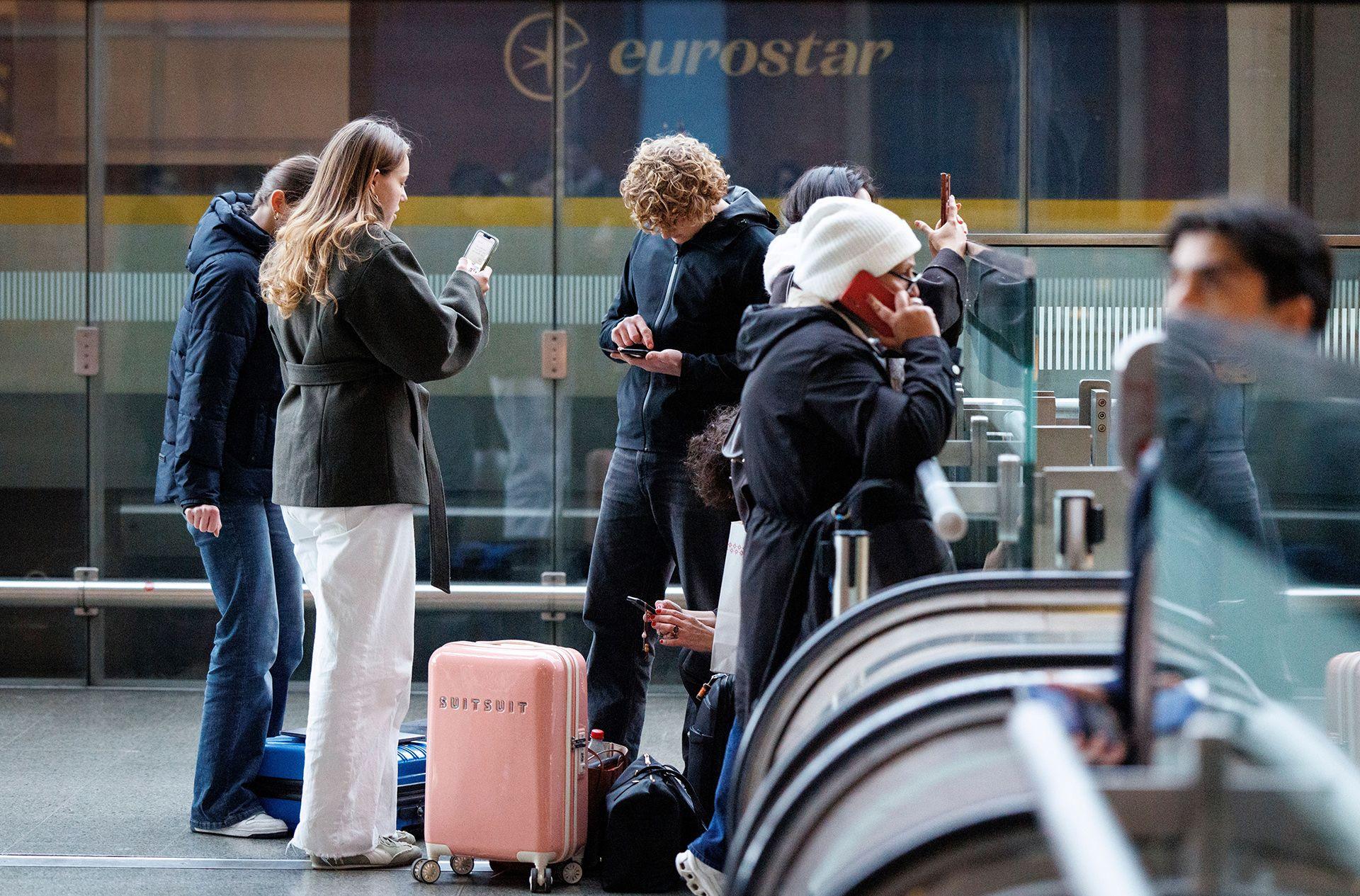
The EES system is now in place at several key border points. In London’s St Pancras, 49 automated kiosks have been installed. At Dover ferry port and Folkestone Eurotunnel terminal, automated machines are available, but border officers still handle most cases. In 2024, France’s border police halted the checks at these locations after traffic jammed in the start of May holiday period.
Improving measures are being rolled out; Portugal has announced extra staff for July, and the European Commission has authorised temporary suspensions of the system in “exceptional circumstances” that lead to excessive waiting times, effective until September.
A companion visa‑waiver platform, the European Travel Information and Authorisation System (ETIAS), is slated for launch at the end of 2026. It will allow non‑visa‑required nationals, including UK residents, to apply online for a three‑year authorisation, costing €20. Children under 18 and people over 70 will be exempt from the fee. The EU keeps a close eye on travel flows by reviewing data from both EES and the forthcoming ETIAS programme, hoping to refine the system before the peak summer holiday period concludes.