In brief
The 2026 Ebola outbreak in eastern DR Congo, caused by the rare Bundibugyo strain, has already claimed over 2,000 deaths and is projected to exceed the 11,000‑death 2014–2016 outbreak, WHO’s chief stated. With about 4,300 confirmed cases, the health authority aims to control the spread within three months, though ending the outbreak remains a challenge. Regional instability limits contact tracing and routine treatment to only about 30% of patients. In response, the UK regulator has cleared the first trial of a Bundibugyo vaccine, and WHO is testing two antiviral therapies in the country.
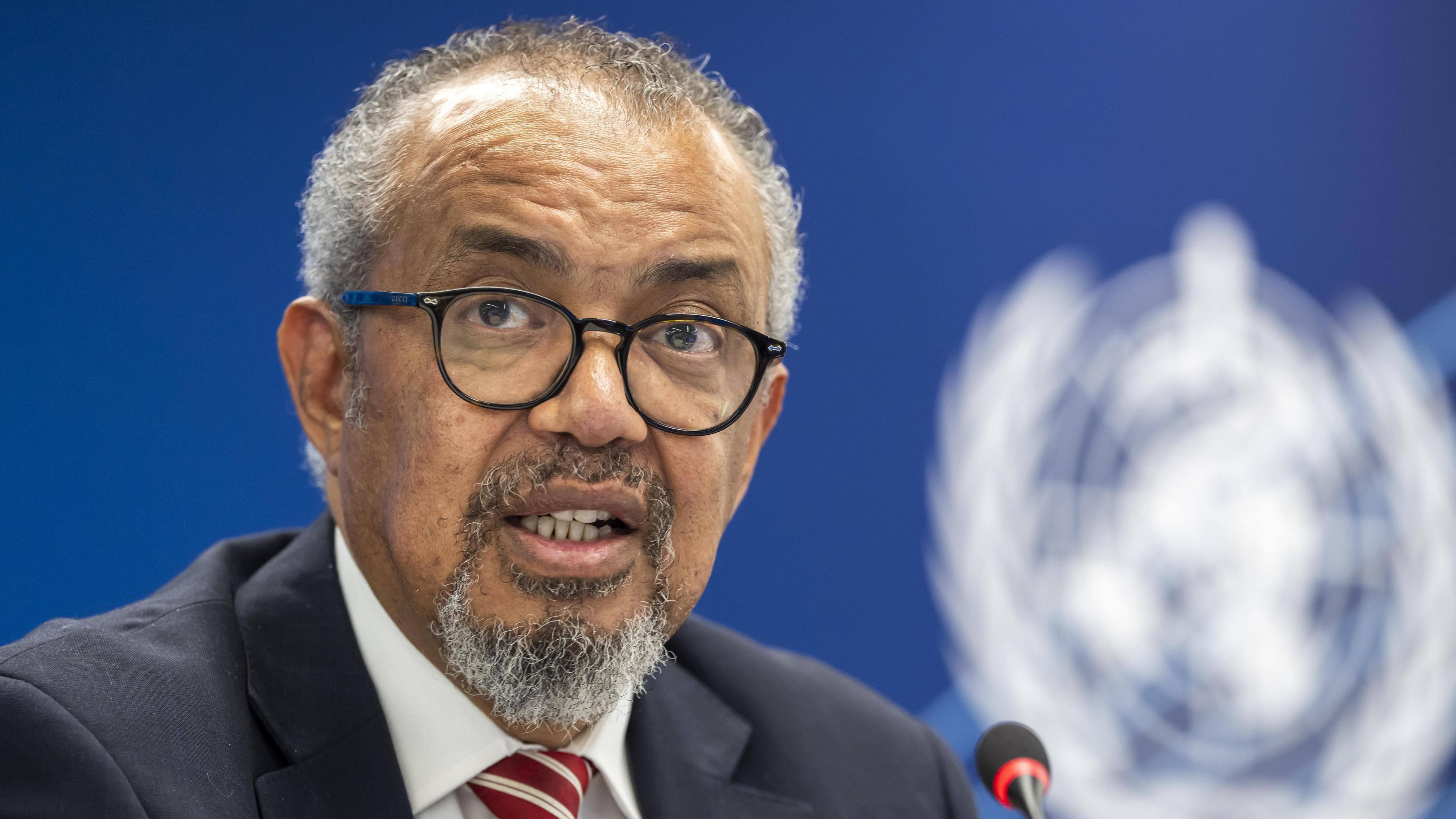
The World Health Organization's chief, Tedros Adhanom Ghebreyesus, said during a press briefing that the current Ebola outbreak in eastern Democratic Republic of Congo is on track to out‑do the 2014‑2016 epidemic that claimed more than 11,000 lives. The 2026 outbreak, first declared on 15 May, has already reached roughly 4,300 confirmed cases and over 2,000 deaths.
WHO's Africa director, Dr Mohamed Janabi, emphasized that the virus “is ahead of us”, citing studies suggesting the spread began in February and was initially mistaken for malaria or typhoid. In the war‑torn region, health workers can only reach about 30 % of patients, hampering containment.
Unlike the previous outbreaks, this case involves the rare Bundibugyo species of Ebola. No licensed vaccine or approved treatment exists for this strain, complicating medical response. However, the UK Medicines and Healthcare products Regulatory Agency has granted permission to start human trials of a vaccine that uses the same technology as the Oxford‑AstraZeneca COVID‑19 vaccine. Other groups are also developing alternative vaccine candidates.
WHO is sponsoring a separate clinical trial in DR Congo to assess whether two existing antiviral therapies can improve survival rates for Bundibugyo‑infected patients.
Follow-up resources: BBCAfrica.com for more African news.