In brief
Ebola in the Democratic Republic of Congo has become the country’s worst outbreak, claiming over 2,300 lives after a five‑month effort to control the spread. Health officials say the virus’s pace has accelerated, with fewer than 30 minutes between deaths. The virus is the Bundibugyo strain, for which no approved vaccine exists but several candidates are under trial, including a technology shared with the Oxford‑AstraZeneca COVID vaccine. With nearly 5,000 confirmed cases, the outbreak now dominates the country’s health grid, forcing emergency treatment centres and international aid into the crowded, conflict‑scarred eastern provinces. Global health agencies urge a three‑month window to reduce transmission that may not end the crisis but could curb its rapid spread.
The Democratic Republic of Congo is now grappling with the country’s deadliest Ebola outbreak on record, with more than 2,300 deaths since the health emergency began.
Health authorities say the outbreak, declared on 15 May, is one of the fastest‑growing in history. United Nations humanitarian chief Tom Fletcher warned that a new death occurs every 30 minutes, while the World Health Organization describes the spread as “exceptional.”
The virus belongs to the Bundibugyo species, for which no licensed vaccine is available. However, several vaccine candidates are now in trials, including a design using the same viral vector that underpins the Oxford‑AstraZeneca COVID‑19 vaccine. The Medicines and Healthcare products Regulatory Agency in Britain has approved human trials for one of the new forms.
In addition to vaccines, the WHO is sponsoring a clinical trial this year to test existing antiviral drugs in the field. Even though the disease is extremely lethal, guidelines suggest that a focus on containment rather than eradication will require only a three‑month intervention to reduce transmission.
The epidemic has spread to six provinces of the 26 provinces in DR Congo, and fewer than 30 cases have been reported outside the country. Neighboring Uganda and European countries have vied to treat the few infected cases extradited for care.
Outbreak control is challenged by the country’s history of conflict and a highly mobile population, which hampers consistent public health messaging and vaccination efforts.
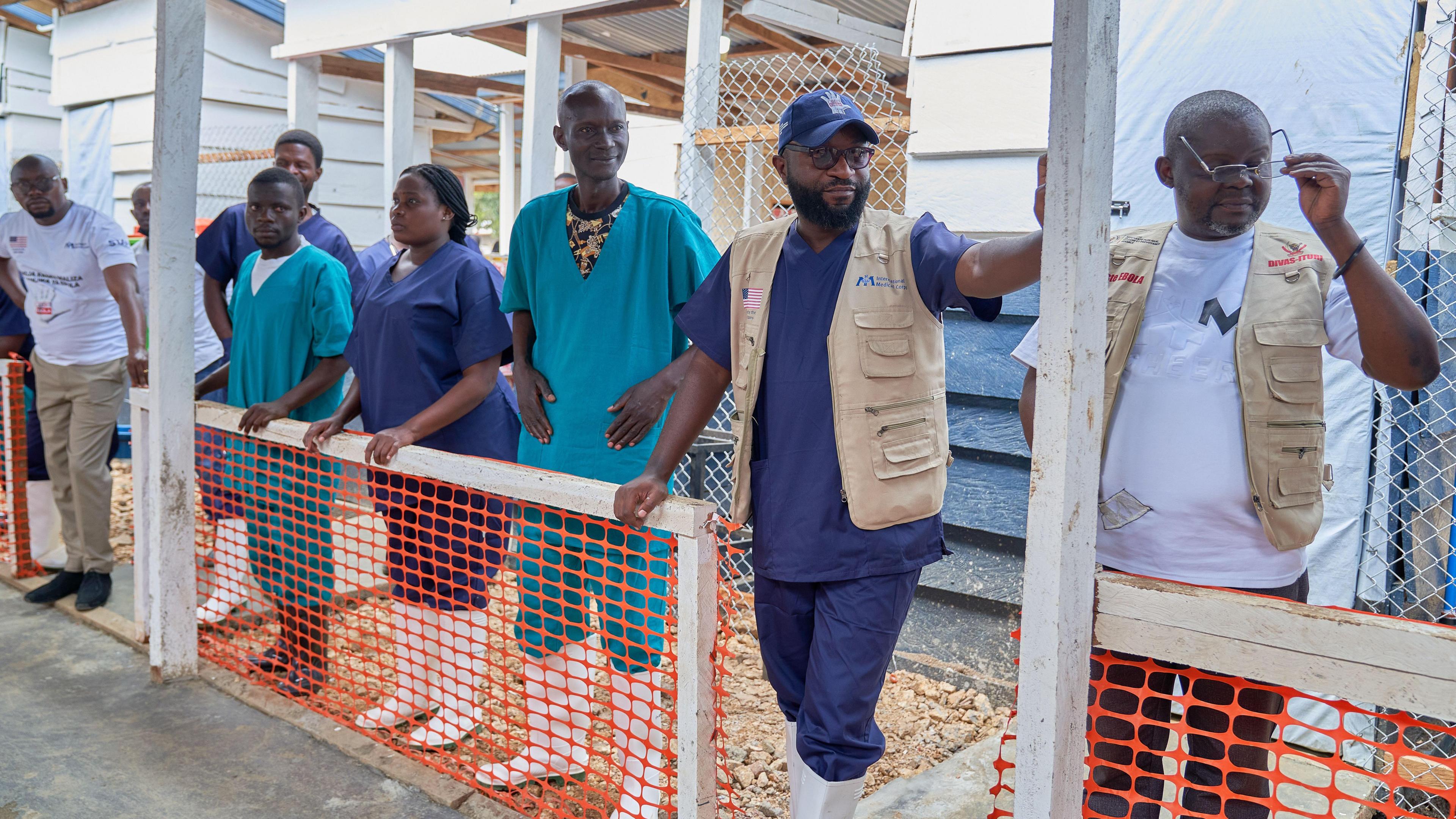
A new treatment centre in Rwakole, Bunia, opened on 4 August, highlighting the increased capacity for patients. The centre showcases a coordinated effort between local health workers and international organisations to treat and contain the spread.