In brief
Health authorities in Pretoria have warned residents not to use tap water after tests found high levels of E. coli, norovirus, Campylobacter, and Shigella in the local supply. The outbreak, which began in early October, has sickened over 400 people, many of them children under four. It follows a history of water‑related illnesses in Tshwane, including a deadly 2023 cholera outbreak and a 2025 typhoid outbreak. Authorities are supplying clean water through tankers and advising households to use bleach to disinfect stored water.
South Africans living near the capital city of Pretoria have been advised not to use tap water for drinking or cooking after more than 400 people fell sick with stomach cramps and diarrhoea over a two‑week period.
Health officials first detected the outbreak in the Tshwane municipal area—covering Pretoria and surrounding townships—when hospitals reported a sudden spike in gastrointestinal illness. Laboratory testing revealed high concentrations of E. coli, along with norovirus, Campylobacter, Shigella and other pathogens that cause stomach upset.
No deaths have been recorded so far, but the scale of the outbreak echoes past water crises in the region. In 2023 a cholera outbreak claimed 29 lives in the township of Hammanskraal, just east of Pretoria, and a 2025 typhoid outbreak affected 48 residents in the same area. Authorities have not yet identified the exact source of the current contamination.
The joint statement from the Departments of Water and Health, released on Monday, emphasised that the contaminated water likely originated from the local treatment plant supplying several communities to the east of Pretoria. “The illness has been linked to residents being exposed to untreated water,” the statement said.
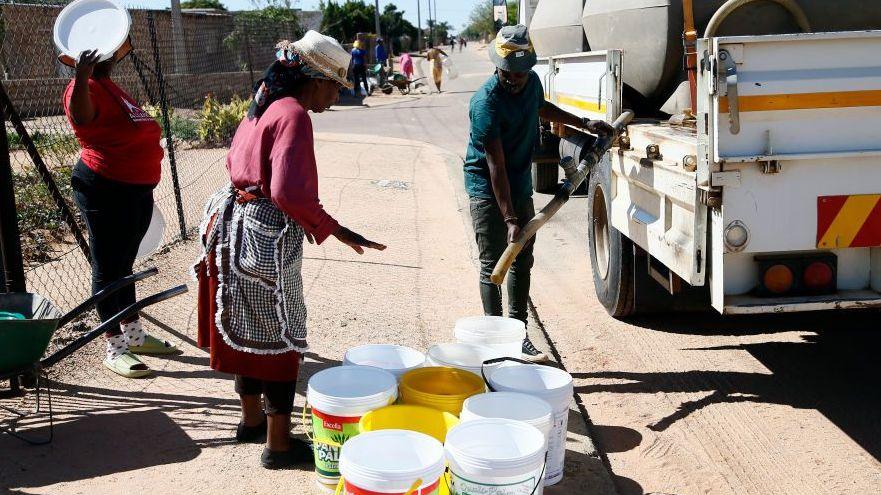
In response, city officials have declared the tap supply unfit for human consumption and have directed residents to use it only for flushing toilets. Mobile tanker trucks are delivering clean, bottled water to affected households. Residents are advised to discard any water that has been stored and to disinfect containers with a small amount of household bleach.
Public outrage has grown over the city’s failure to timely warn residents about the contaminated supply. The health crisis underscores ongoing challenges in maintaining safe water infrastructure in South Africa’s rapidly growing urban centres.