In brief
The Alau dam in northeastern Nigeria collapsed due to government inaction despite prior warnings from locals and experts, leading to significant flooding and loss of life. Officials deflected responsibility to external factors such as climate change, further sparking outrage and demands for accountability.
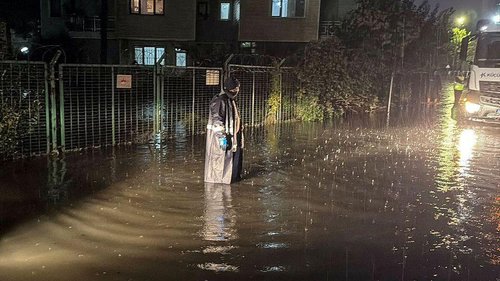
The recent tragedy in northeastern Nigeria stems from a catastrophic failure of the Alau dam, which has drawn sharp criticism towards government officials for their negligence and mismanagement. In the weeks preceding the disaster, residents living in the vicinity of the dam had repeatedly voiced concerns over its deteriorating condition and the threat posed by rising water levels. Yet, during an official visit just days before the collapse, government representatives, including Alhaji Bukar Tijani, insisted that the dam was safe, dismissing fears of impending disaster.On September 4, after several days of heavy rainfall, the dam failed spectacularly, causing floodwaters to surge through the city of Maiduguri. Preliminary reports indicate that up to 1,000 people lost their lives, while hundreds of thousands more were displaced from their homes, prompting a humanitarian crisis in the region. Victims and local residents are now grappling with destroyed livelihoods and the challenges of rebuilding amidst widespread devastation.In the aftermath of the flood, public outrage has mounted as government officials have cast blame on climate change, divine intervention, and even the residents themselves, suggesting that their choice to live in makeshift accommodations near the Ngadda River contributed to their misfortune. However, this narrative has been met with skepticism, as evidence has surfaced illustrating that government agencies had been warned extensively regarding the dam's risks prior to the disaster. Engineering assessments carried out over a six-year span highlighted critical flaws in the dam's operations, yet no substantial remedial action was taken to address them, revealing what many perceive as a tragic lapse in responsibility by government officials. As communities struggle to recover from the flood, the push for accountability grows, with voices demanding that lessons be learned to prevent future tragedies.Calls for policy changes and better infrastructure management have been echoed by activists and community leaders, stressing the need for transparency and accountability in the wake of these devastating events. With experts urging the government to prioritize proactive measures in disaster prevention, many hope that the Alau dam catastrophe will serve as a wake-up call to address systemic issues within Nigeria's governance and infrastructure strategy.