In brief
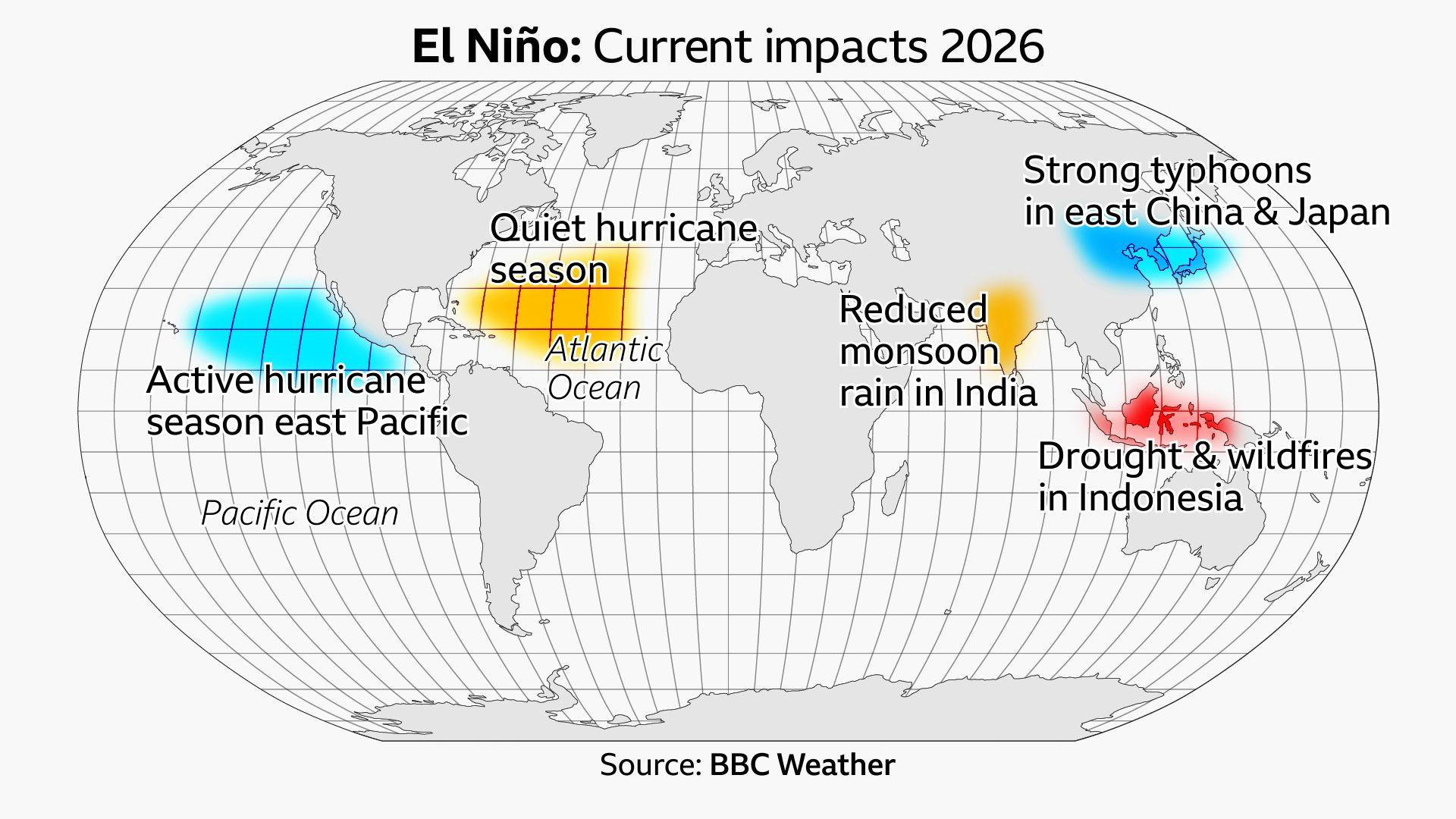
The El Niño cycle, now in a strong phase, has already spurred a range of weather disruptions worldwide. Indonesia is battling its worst wildfire season since 2015, with nearly 900,000 hectares burned and widespread haze. Along the East Pacific, 12 hurricanes and 10 major storms have already formed, thanks to warmer waters and low wind shear. In contrast, the Atlantic remains eerily quiet with only one major storm. In India, 13 % below‑average monsoon rains and erratic rainfall patterns threaten crops. Typhoons in East China and Japan are stronger and more frequent due to the altered wind patterns. These effects illustrate the complex and uneven global reach of El Niño.
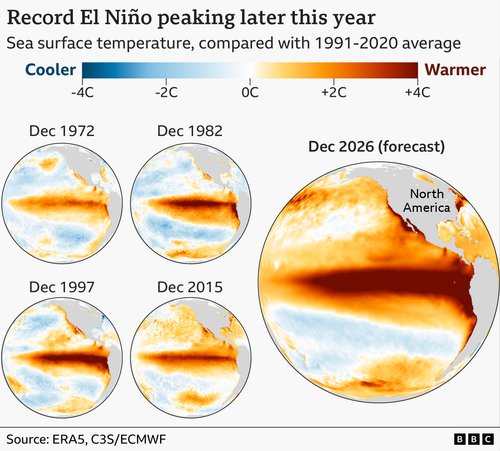
El Niño, a warm‑water weather pattern that has been gaining strength for several months, is already altering climate conditions around the globe in striking ways. The World Meteorological Agency predicts the anomaly will stay strong until at least 2027, intensifying extreme weather events. Below are five areas where its effects are most obvious.
1. Indonesia faces its worst wildfire season since 2015
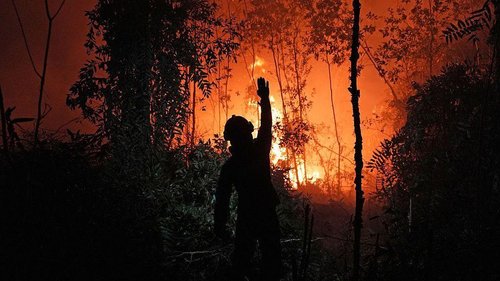
Indonesia normally experiences drier, hotter conditions during El Niño years. Since January this year, at least 895,657 hectares of land have burned – almost six times the size of Greater London – more than double the area affected in the same period last year. The fires have led to school closures, increased hospital admissions and toxic haze that has sickened an estimated 175,000 people, many of them toddlers.
2. Record hurricane activity in the East Pacific
The El Niño‑boosted temperatures and low wind shear in the eastern Pacific have produced a highly active season. To date there have been 22 named storms, 12 hurricanes and 10 major hurricanes, much higher than the average for a full season. Hurricane Polo, one of the strongest this year, reached wind gusts of 180 mph (285 km/h) after rapid intensification.
3. The Atlantic hurricane season remains unusually quiet
Contrasting sharply with the East Pacific, the north Atlantic has seen only one major hurricane, Isaias, which made landfall along the Florida Panhandle and Alabama. The higher wind shear typical of El Niño has torn apart forming storms, keeping the season among the quietest on record.
4. Drier monsoon rains threaten Indian agriculture
India’s monsoon season has been 13 % below average, with the east and north‑east experiencing up to 26 % less rainfall than normal. Although central India was closer to its expected totals, irregular rainfall – heavy downpours interspersed with long dry spells – has increased stress on crop yields. Some scientists argue other weather patterns may also be contributing to the variations.
5. Strong typhoons target East China and Japan
The western Pacific has seen a spike in tropical cyclones, with 10 systems forming this year – the highest since 1966. El Niño has shifted cyclone genesis further east, giving storms more time over warm waters before reaching land, making them more intense. Typhoons such as Maysak and Dujuan have already caused widespread flooding and landslides in the region.
These divergent impacts highlight how El Niño reshapes global weather with both heightened risks and relative quiet in different regions. Its influence will persist into 2027, meaning the world will continue to see a mixture of extreme weather events and quieter periods as the climate pattern evolves.