In brief
Indonesia’s 2026 wildfire season is the most intense in a decade, unleashing toxic haze that chokes millions across Kalimantan, Sumatra, and even reaches Singapore and Malaysia. The destructive fires—largely linked to the illegal practice of slash‑and‑burn, now used on a commercial scale—have drawn criticism from activists and foreign governments, prompting Indonesia to suspend licences of some firms and promise tougher sanctions. Meanwhile, diplomatic spat with Singapore and Malaysia has flared over transboundary pollution, with each side accusing the other of blame‑shifting. The crisis has spurred civil‑society lawsuits in Indonesia demanding national disaster status, while environmental reports point to commercial palm‑oil companies as key culprits. Experts warn that the El Niño‑driven dry season will continue to fuel these blazes, threatening public health, economies and regional stability.
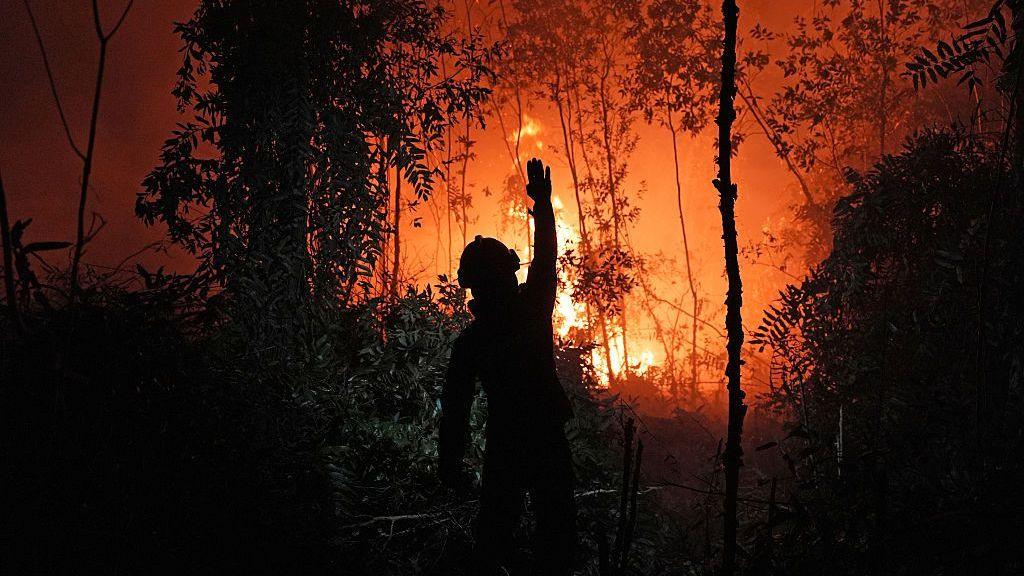
Indonesia’s 2026 wildfire season has erupted into the most severe haze episode in a decade, with up to 900,000 hectares scorched across Kalimantan and Sumatra. The burn‑fumarism has turned the air amber, pushing particulate‑matter readings to hazardous levels for millions.
The smog has not been contained to Indonesia’s borders. It has drifted over the Strait of Malacca, obscuring Singapore’s skyline and forcing school closures in Malaysia. As neighbouring states report rising respiratory complaints, diplomatic channels have begun to flounder over responsibility.
Slash‑and‑Burn Goes Corporate
Traditionally a subsistence technique, slash‑and‑burn—by cutting and burning vegetation to enrich soil—is illegal in Indonesia. Yet, commercial plantations have scaled the practice to defend vast peatlands, turning forests into a monetised wildfire risk.
A recent Greenpeace report named First Resources, a Singapore‑listed palm‑oil company, for more than 30 haze hotspots between August and September on land managed by its Indonesian subsidiaries. The company insists on a zero‑burn policy, whereas the fires were said to occur “beyond its concession area.” Kuala Lumpur Kepong, a Malaysian group, is similarly implicated with 19 sources on its Indonesian holdings.
Government Response and International Tension
In a decisive move, President Prabowo Subianto labelled slash‑and‑burn as “ecological terrorism” and suspended licences for 26 companies the previous month. Authorities announced investigations that, if criminal, will go to court.
Singapore’s 2014 Transboundary Haze Pollution Act allows it to summon companies abroad. However, Jakarta’s refusal to cooperate has stalled enforcement, sparking accusations that diplomatic immunity is shielding offenders. A 2015 quote from former Indonesian vice‑president Jusuf Kalla, suggesting Singapore had not thanked Indonesia for its clean air, remains a sore point. Recent remarks by Syahganda Nainggolan—claiming the oxygen in Singapore is “from our forests”—were widely mocked, further inflaming sentiment.
Civil‑Society and Legal Actions
Local groups in West Kalimantan have filed a class‑action lawsuit against the national government, demanding recognition of haze as a national disaster to unlock health‑care coverage. A similar suit filed in South Sumatra last year was dismissed. On the ground, residents still face daily exposure to a toxic atmosphere. One 63‑year‑old motorcycle taxi driver in Pekanbaru city told a local broadcaster, “The government must think about ordinary people. I’m short of breath but I still have to work.”
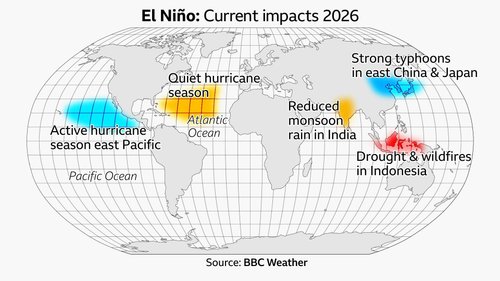
Scientists warn that the unusually strong El Niño will prolong dry conditions, feeding further fires. Without decisive, cross‑border cooperation and stronger enforcement of environmental laws, the haze will likely remain a recurring menace to public health and regional stability.