Washington, D.C. – March 1, 2026
In what many are calling a pivotal moment in the fight for accountability, the testimonies of Bill and Hillary Clinton are drawing public scrutiny amid ongoing investigations into Jeffrey Epstein's alleged crimes. On February 27, both former political powerhouses testified for over six hours, emphasizing their claims of ignorance regarding Epstein's activities, a move that some analysts see as both a necessity and a pressure point in the broader societal call for justice.
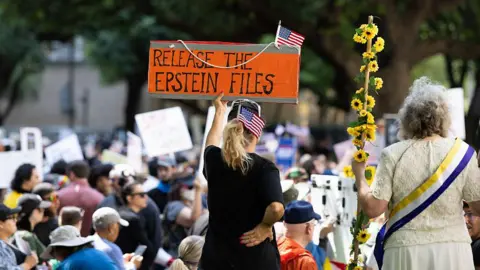
The inquiry comes in the wake of the Epstein Files Transparency Act, passed by Congress in late 2025, mandating the release of previously sealed documents that shine light on powerful individuals’ connections to Epstein’s illicit activities. As reports of elite gatherings morph into allegations of organized abuse and blackmail, the political landscape is shifting.
Critics assert that the dynamics of elite protection are beginning to fracture. Historical echoes of complicity, once brushed aside as mere gossip, now coincide with substantial documents detailing Epstein's network of influence and power that spans the globe. The ramifications of these testimonies may not only expose wrongdoing but could also initiate a necessary reckoning within the echelons of power.
As international probes intensify—highlighted by notable arrests in the United Kingdom, including figures from royal circles—the narrative surrounding media complicity and the role of corporations in shielding alleged predators remains critical. With ongoing scrutiny and public pressure, the demand for transparency and justice grows, posing a significant threat to the status quo.