
In brief
In a landmark ruling, Hui Ka Yan, the founder of Evergrande Group, was sentenced to life in prison by Shenzhen courts following charges of embezzlement and bribery. The decision also saw his personal assets confiscated and the company fined 8.82 bn yuan. The ruling underscores China’s tightening grip on corporate misconduct and signals wider ramifications for the country’s shaken real‑estate sector and global investors. Evergrande’s once‑world‑leading valuation collapsed, triggering a 99 % drop in shares and causing a broader slowdown in China’s property market. The sentencing and asset seizure reflect ongoing regulatory efforts to curb financial malfeasance, highlighting the regulatory response to the sector’s systemic risks.
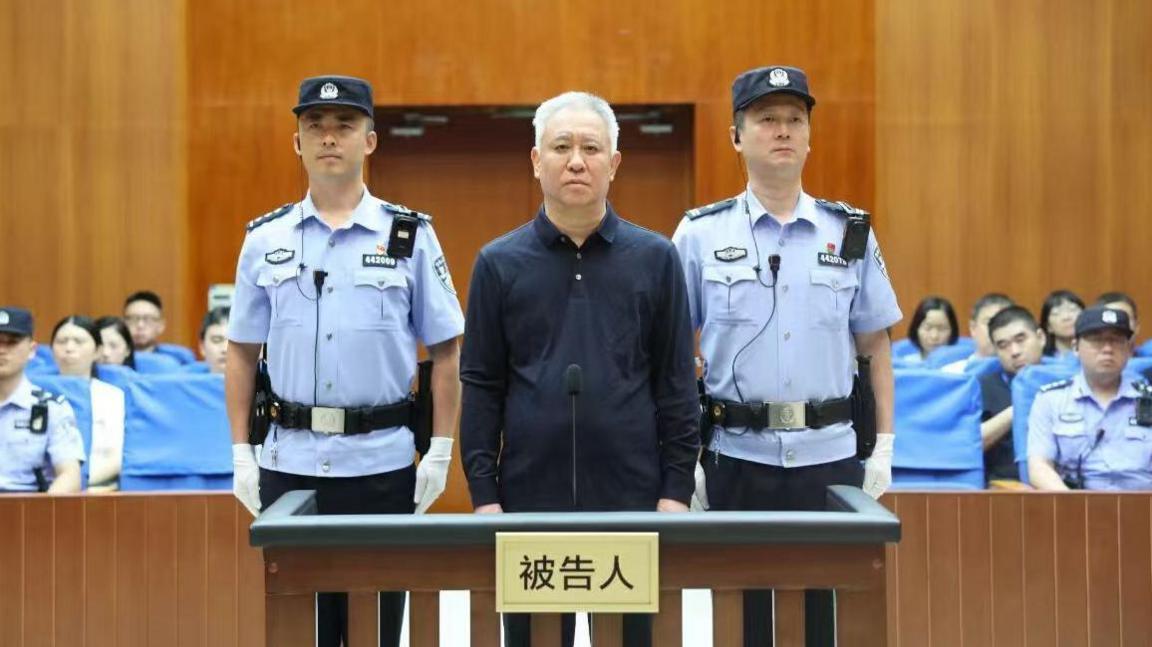
In a landmark ruling, Chinese courts sentenced Hui Ka Yan, the founder of Evergrande Group, to a life term after a conviction for embezzlement and corporate bribery. His personal assets were confiscated and the company was fined 8.82 bn yuan (≈$1.3 bn).
The sentencing marks a key moment in the fallout from Evergrande’s collapse, which shocked China’s property market and weighed heavily on investors and banks.
Background
Evergrande, founded in 1996, grew to become China’s largest developer with a market valuation exceeding $50 bn. The company’s aggressive debt‑leveraged expansion was challenged by Beijing’s 2020 debt‑control policy, leading to distressed sales and an eventual default in 2021.
Case details
The court found that Evergrande had diverted pre‑sale funds raised from buyers for new developments, leaving hundreds of projects unfinished. Hui pleaded guilty in April. In March 2024 he was fined $6.5 m and banned from China’s capital markets for life for overstating revenues by $78 bn.
Implications
- Evergrande’s stock value fell 99% before its removal from the Hong Kong exchange.
- The sentencing signals a stricter enforcement of China’s property regulatory reforms.
- Global investors will monitor the country’s real‑estate sector for further reforms amid systemic debt concerns.
Official statements from Chinese regulators on the broader systemic impact remain pending.


