Families Await Identification at Venezuela’s Makeshift Morgue
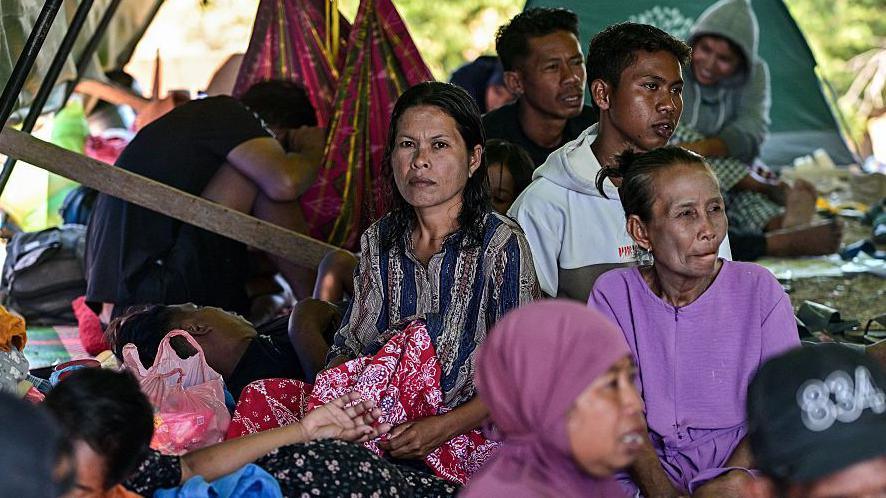
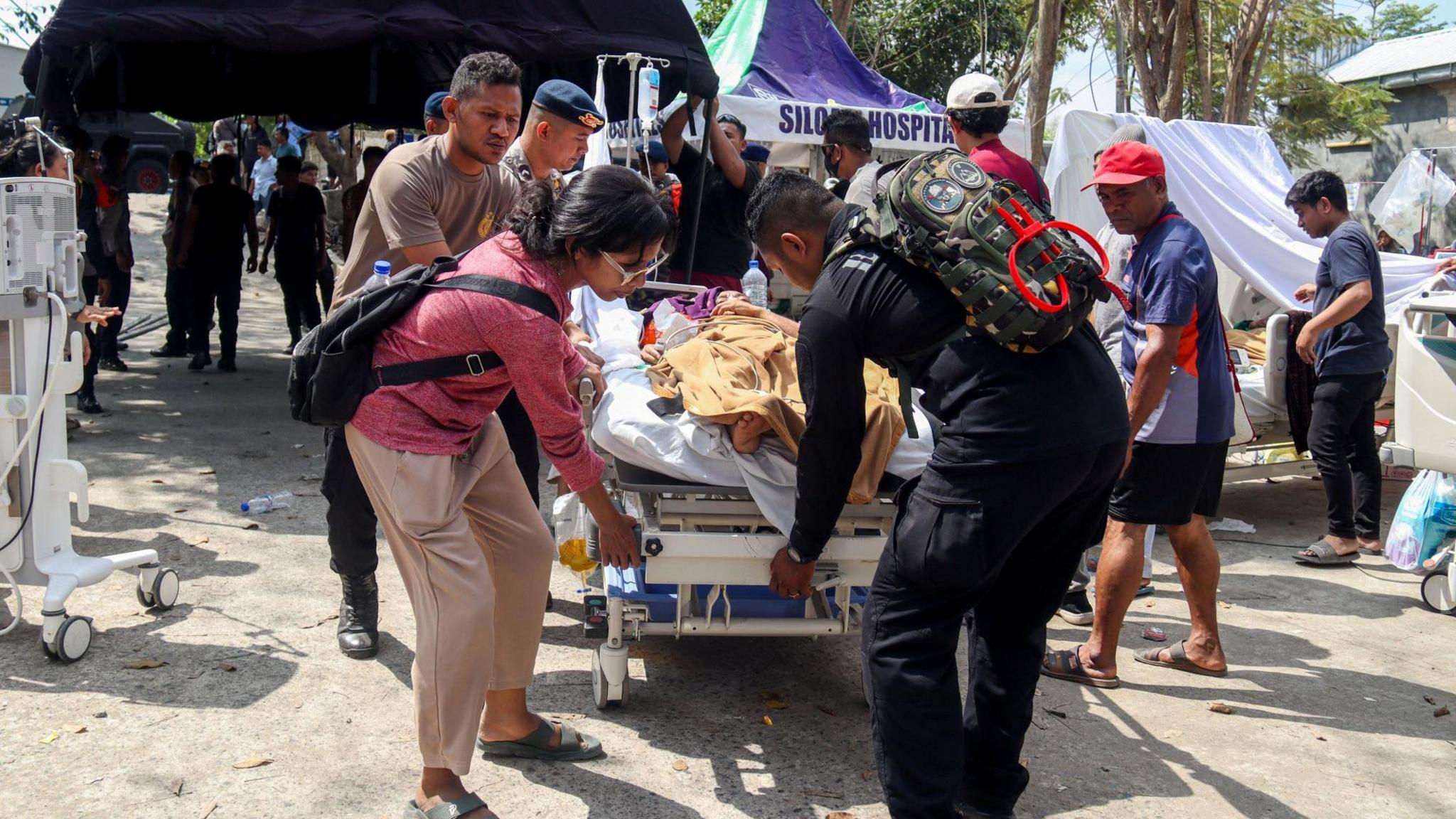
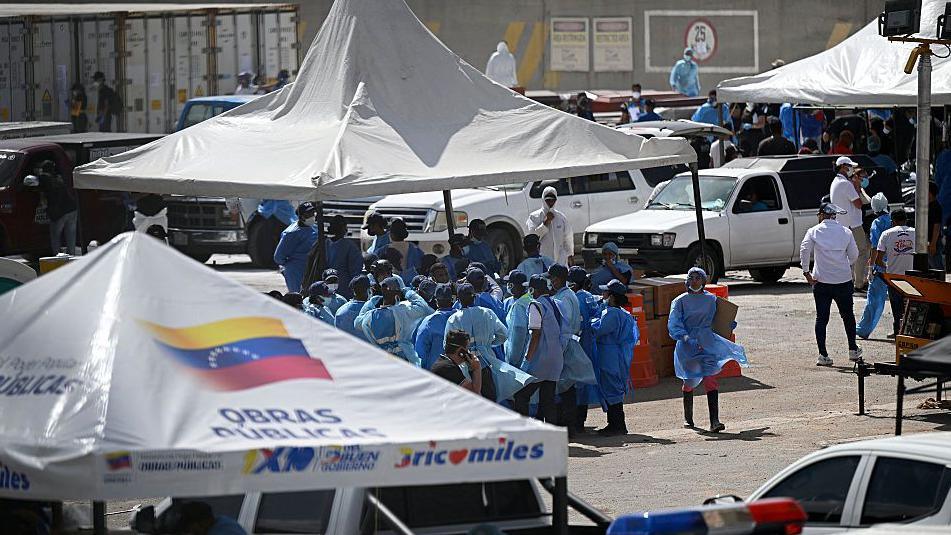
In La Guaira, a port storage facility turned morgue sits under harsh sunlight. The space is filled with rows of bodies wrapped in plastic bags, surrounded by thin white tents. Families sit in long lines, clutching phones or the rests of loved ones’ clothing, waiting hours for a chance to confirm identity.
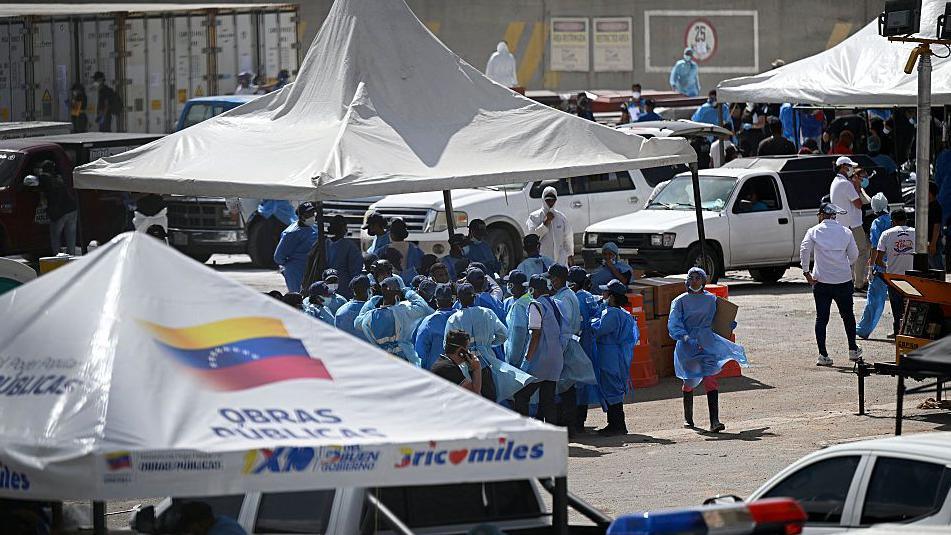
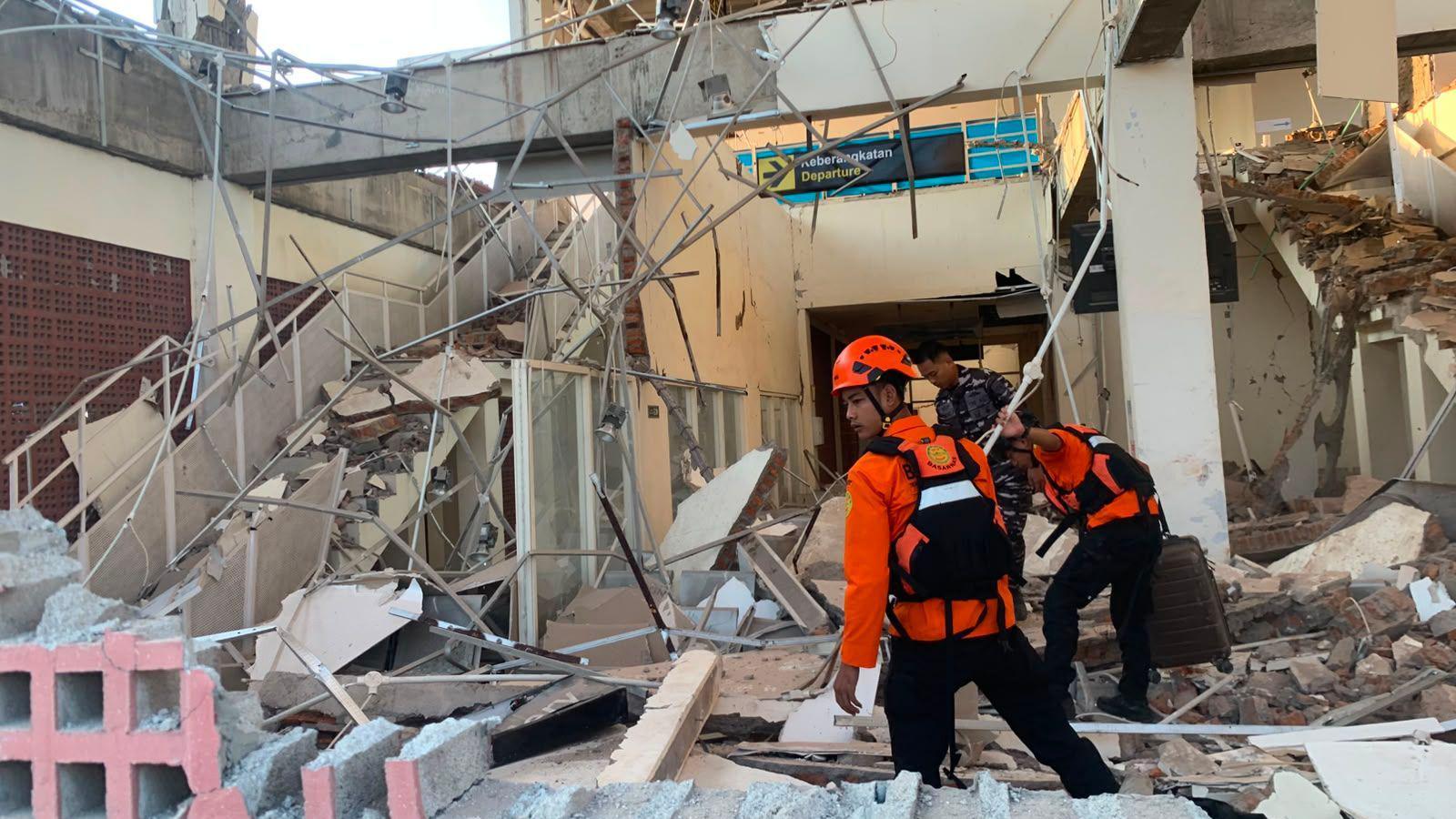
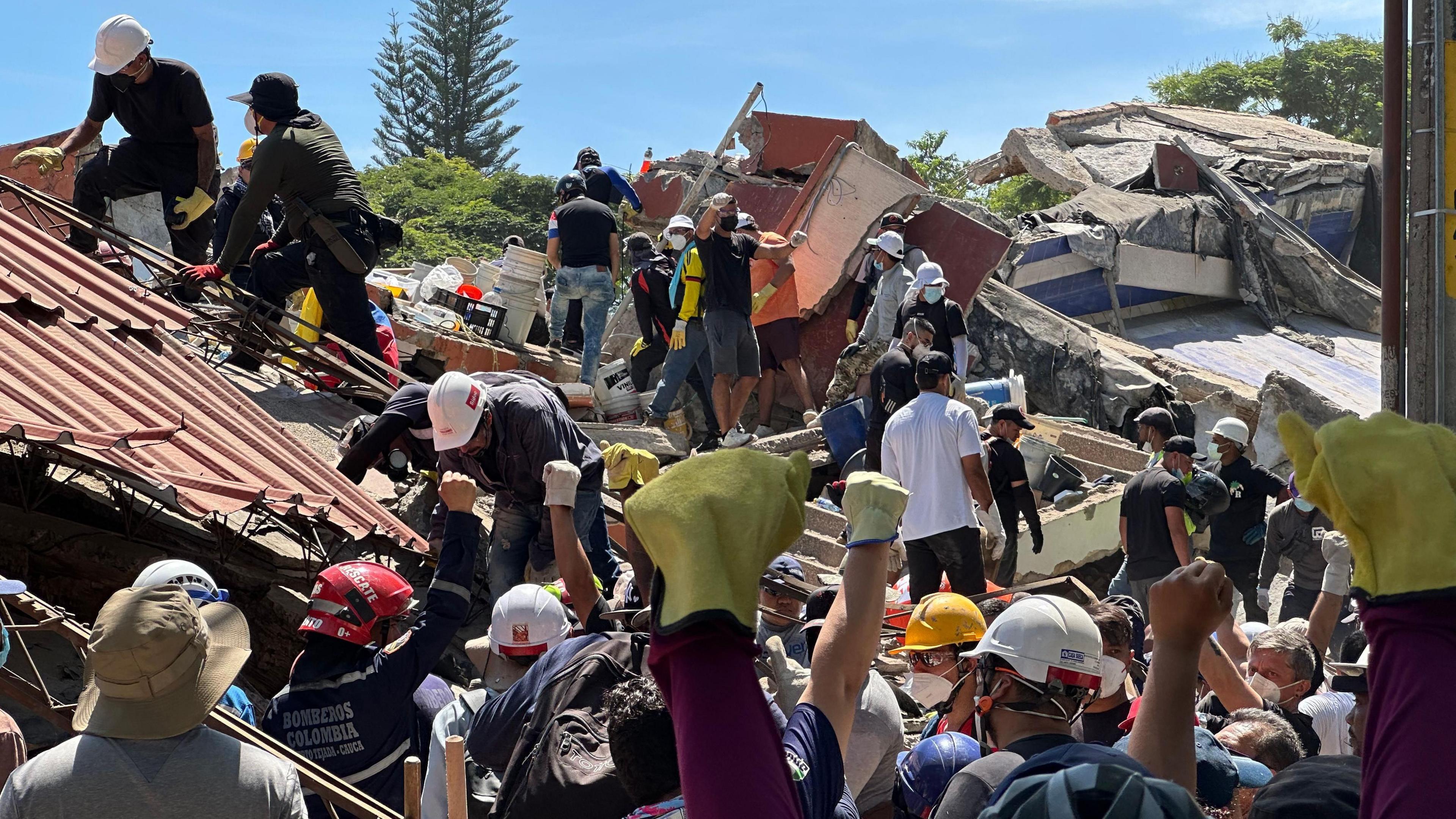
The death toll from the October twin earthquakes has surpassed 2,600, overwhelming local services. With infrastructure crumbled, bodies were left on the ground before they could be stored properly. In the panic, a quarters building turned into a morgue to contain the bodies and facilitate identification, a vital but scar‑red step in disaster recovery.
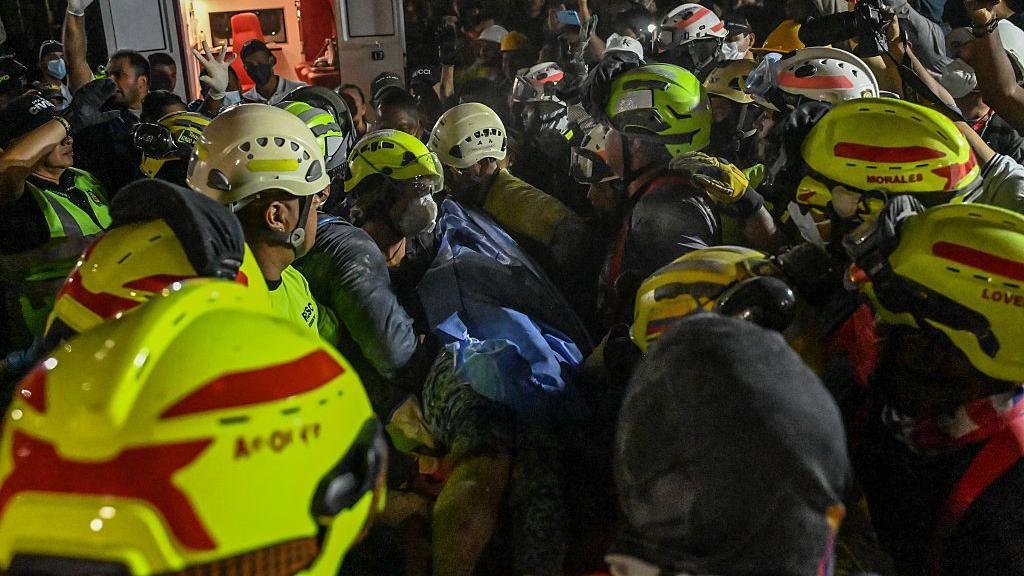
Around midnight, command posts monitor each entrance, armed guards control passage, and supportive teams arrange the bodies in the order they were retrieved. At one end a tent offers free cremation services, while at the other forensic specialists examine dental records, tattoos, and scar patterns.
Most relatives are guided to a pair of television screens that run a continuous cycle of more than a thousand images. A 60‑year–old woman, Liliana González, sits in a chair, watching the flicker of a man’s pale face. At a moment, a tattoo on a forearm is visible; recognition dawns. “He wasn’t on the list,” she says, the relief wounded by the loss’s magnitude.
A man in front of a screen called a child, speaks into a handheld phone, trying to pinpoint where a mother’s face might match a fluttering photo. In other rows, families stare blankly into space, some breathing through a held‑mouth mask. The smell of decomposition permeates the air; the heat accelerates the breakdown of flesh. Nonetheless, people endure, hoping that the thing they can grip is the truth.
One woman, Modesta Alemán, travelled from a nearby town to confront her sister. The authorities told them that there were no survivors, but volunteers heard distant voices crashing out of a building. Modesta waited outside the makeshift morgue, refusing to enter because the emotional weight seemed too heavy to bear.
After a body has been identified, the process begins again. Fingerprints are taken if the body’s condition permits, coffins are prepared and names recorded on death certificates vital for any remaining funeral arrangements. Each step takes hours and is recorded on a bureaucratic stack of paperwork.
The picture of a young couple, flanked by wide‑eyed relatives, shows the pictorial heart‑twinged chaos. Every image streamed to a screen is a lesson in companionship, grief, chaos, and cautious hope. Through the urgency of a makeshift morgue and the slow bureaucracy that follows, a fraction of society’s broken pieces is slowly put back to page.