
In brief
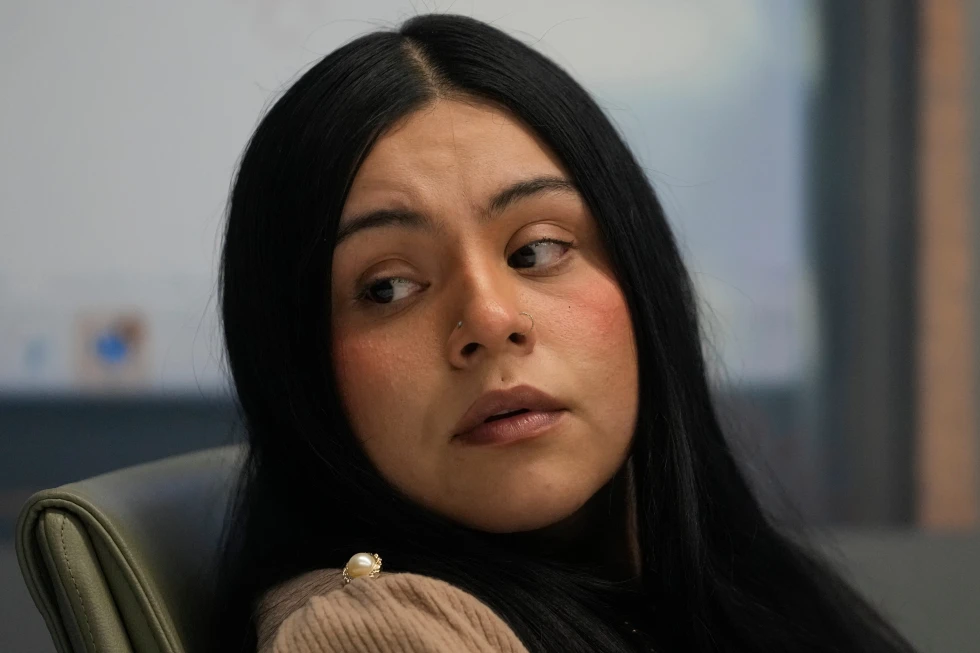
Marimar Martinez, a U.S. citizen and teaching assistant, was shot by a Border Patrol agent during an immigration crackdown in Chicago. The incident, initially leading to her being charged with attempted assault, was later dismissed when video evidence showed an agent colliding with her vehicle. Following the shooting, Martinez's legal team has accused the Department of Homeland Security (DHS) of dishonesty and has taken steps to file a complaint under federal law. Released documents reveal troubling communications among agents regarding the shooting. Amid ongoing scrutiny of immigration enforcement practices, Martinez has publicly spoken about her trauma and mistrust towards law enforcement.
CHICAGO (AP) — A top Border Patrol commander has stirred controversy by praising an agent involved in a shooting incident that left a Chicago woman, Marimar Martinez, injured during an immigration crackdown. Evidence unveiled by Martinez's attorneys claims misinformation was propagated by the Trump administration regarding the shooting, which occurred last year.
Martinez, who was in her car at the time of the incident, was shot five times by an agent who alleged she attempted to run him over. However, video evidence contradicted this claim, leading to her charges being dismissed. Attorneys have pointed to a pattern of misleading statements from the Department of Homeland Security (DHS), which included labeling Martinez as a domestic terrorist, despite her lack of a criminal record.
Martinez’s legal representatives are pursuing a complaint under a federal law that allows citizens to sue federal agencies. They revealed instances of claimed dishonesty from DHS after the shooting, emphasizing the need for accountability in law enforcement practices, especially during immigration operations.
At a press conference, attorney Christopher Parente expressed the urgent need for transparency: “This is a time where we just cannot trust the words of our federal officials.”
The documents released include a hand-drawn diagram from an agent depicting how Martinez “boxed in” federal agents—an assertion that her attorneys dispute. The ongoing scrutiny follows a similar tragic shooting of another woman, Renee Good, under analogous circumstances in Minneapolis.
During the crackdown in Chicago—which saw significant standoffs and protests against immigration enforcement—law enforcement's approach came under fire. The shooting incident also highlighted the troubling use of language and categorization of individuals by law enforcement officials, particularly those from minority backgrounds.
Martinez's case has catalyzed discussions among lawmakers and community leaders regarding the treatment of individuals during immigration enforcement actions. She recently testified before Congress, calling attention to the serious concerns about discrimination and fairness in preemptive police behaviors, insisting that accountability for such actions is essential.
As Martinez navigates the aftermath of the shooting, including the mental and emotional toll it has taken on her confidence in law enforcement, she has garnered support from various advocacy groups and local leaders urging a reevaluation of immigration enforcement protocols.
Martinez's attorneys aim to pursue a complaint under the Federal Tort Claims Act, seeking justice for their client as they continue to uncover details about the incident and the agency's practices during a time of heightened political sensitivity around immigration policy.

