SACRAMENTO, Calif. (AP) — A federal judge has blocked the proposed $6.2 billion merger of local television giants Nexstar Media Group and rival Tegna, pending the resolution of an antitrust lawsuit. U.S. District Court Chief Judge Troy L. Nunley's decision, handed down on Friday, emphasized that eight state attorneys general along with DirecTV were likely to prevail in their efforts to stop the merger, citing concerns that it would lead to higher consumer prices and stifle local journalism.
The merger, initially announced last year and later approved by the Federal Communications Commission (FCC), would unite a company that owns 265 television stations across 44 states and the District of Columbia, primarily consisting of affiliates of major national networks such as ABC, CBS, Fox, and NBC. Judge Nunley had previously instituted a temporary restraining order for three weeks while hearing arguments on whether that ban should be extended while the lawsuit is resolved.
The attorneys general, all Democrats, and DirecTV assert that the merger contravenes federal anti-monopoly laws, and could diminish local news coverage, a crucial service for community information. In their defense, Nexstar's legal team highlighted that the FCC and the Department of Justice had previously sanctioned the merger, asserting that it would strengthen local journalism, not weaken it.
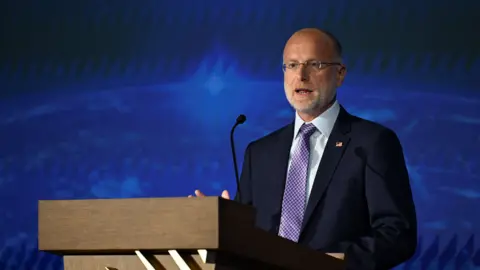
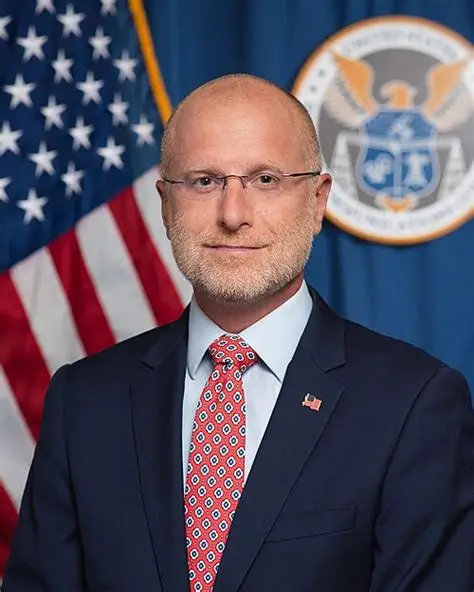
Further complicating matters, regulatory approval from the Trump administration’s FCC involved waiving restrictions on the number of local stations one company can own. The FCC Chairman Brendan Carr noted that Nexstar was obligated to shed six stations as part of this approval process.
In his ruling, Judge Nunley pointed out that the merger would lead Nexstar to control two or even three local affiliates from the ‘Big Four’ in numerous markets, granting it excessive power over broadcast fees, which could adversely affect viewers reliant on services like DirecTV, particularly for high-stakes events such as football games.
The merger, initially announced last year and later approved by the Federal Communications Commission (FCC), would unite a company that owns 265 television stations across 44 states and the District of Columbia, primarily consisting of affiliates of major national networks such as ABC, CBS, Fox, and NBC. Judge Nunley had previously instituted a temporary restraining order for three weeks while hearing arguments on whether that ban should be extended while the lawsuit is resolved.
The attorneys general, all Democrats, and DirecTV assert that the merger contravenes federal anti-monopoly laws, and could diminish local news coverage, a crucial service for community information. In their defense, Nexstar's legal team highlighted that the FCC and the Department of Justice had previously sanctioned the merger, asserting that it would strengthen local journalism, not weaken it.
Further complicating matters, regulatory approval from the Trump administration’s FCC involved waiving restrictions on the number of local stations one company can own. The FCC Chairman Brendan Carr noted that Nexstar was obligated to shed six stations as part of this approval process.
In his ruling, Judge Nunley pointed out that the merger would lead Nexstar to control two or even three local affiliates from the ‘Big Four’ in numerous markets, granting it excessive power over broadcast fees, which could adversely affect viewers reliant on services like DirecTV, particularly for high-stakes events such as football games.