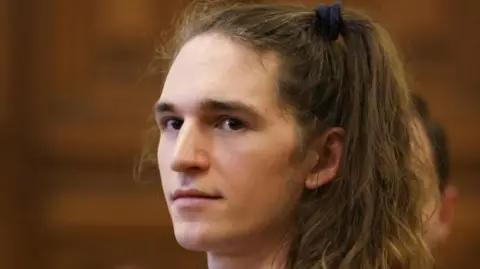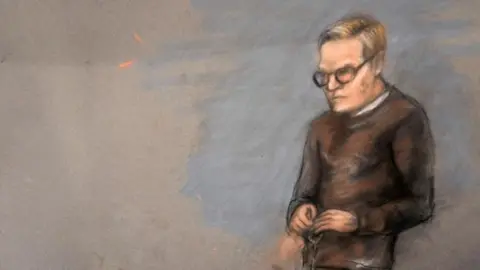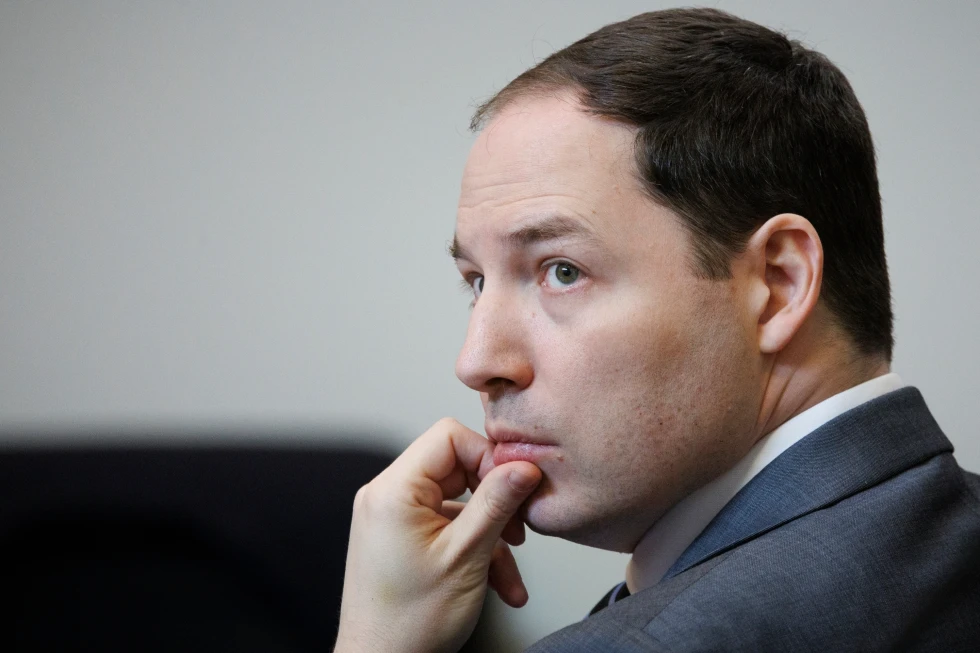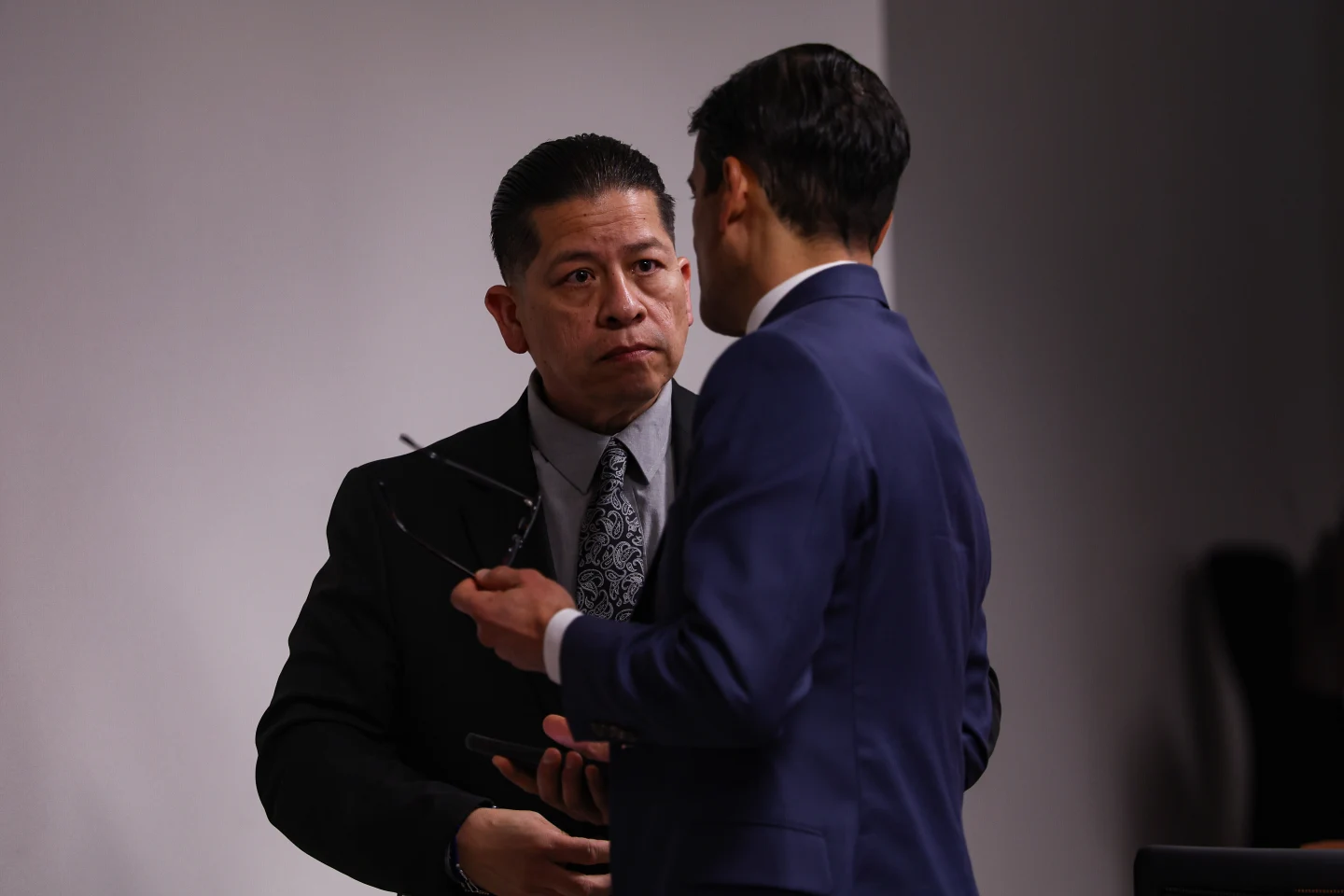
CORPUS CHRISTI, Texas (AP) — The trial of Adrian Gonzales, a former school police officer in Uvalde, Texas, is moving towards its conclusion as closing arguments are set to commence. Gonzales is accused of failing to stop a gunman during the critical early moments of the 2022 Robb Elementary School shooting, which resulted in 21 fatalities, including 19 children and two teachers.
With the case nearing deliberation, jurors will soon consider whether Gonzales, who is facing 29 counts of child abandonment or endangerment, acted in accordance with his duty as a first responder. He has pleaded not guilty and could face up to two years in jail if convicted.
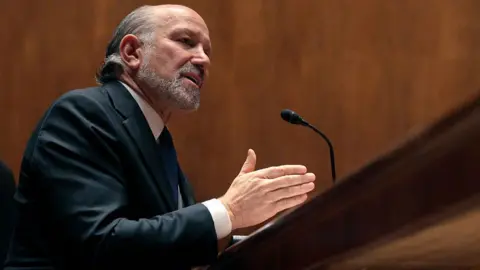
Special prosecutor Bill Turner emphasized the urgency required in such chaotic scenarios, highlighting three critical minutes where Gonzales did not act as decisive moments slipped away. “Every second counts in an active shooter situation,” Turner stated during the proceedings.
During the trial, the prosecution presented 36 witnesses over nine days, while the defense called upon only two. Testimonies provided emotional insight into the harrowing experience of teachers and students during the attack, some describing their desperate attempts to protect the children under their care.
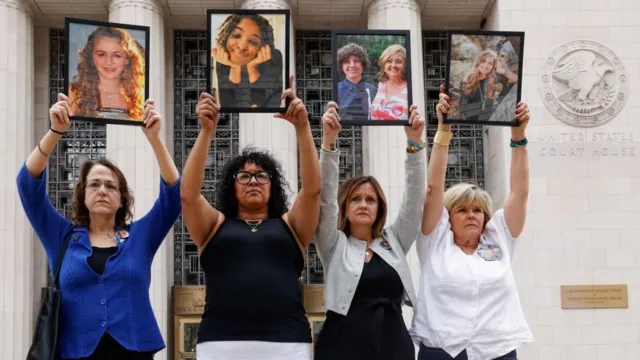
Testimonies from teachers recounted the terrifying moments when the gunman entered the building and the catastrophic aftermath. The emotional weight of the trial has led to visible reactions from victims’ families, and the proceedings were moved to Corpus Christi to ensure an impartial trial, as the original community of Uvalde was deeply affected by the incident.
The defense has argued that Gonzales did not see the shooter and followed the best course of action available to him amidst the chaos. There has been considerable public interest in this case, particularly as only Gonzales and the former Uvalde schools police chief have faced criminal charges related to the response to the shooting.
As jury deliberation nears, the proceedings remain a critical examination of law enforcement protocols and responsibilities during tragic events of mass violence. The verdict will not only impact Gonzales but also set precedent for how future cases of police inaction in active shooter situations are adjudicated.