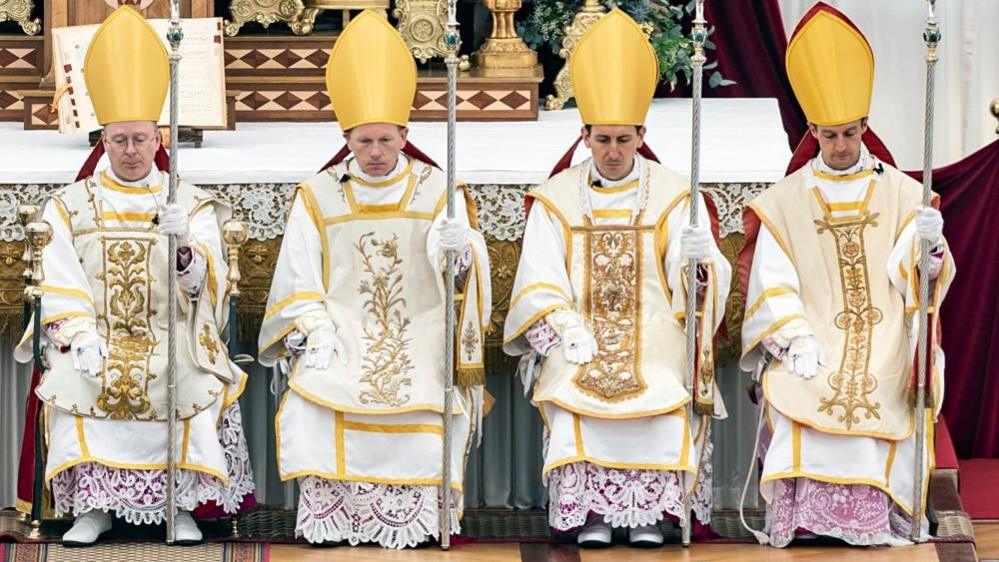
In a remarkable event in the Alpine village of Écône, Switzerland, the Society of Saint Pius X (SSPX) consecrated four clergy as bishops on 1 July 2026. The society, which has long opposed many reforms of the Second Vatican Council, carried out the ceremony despite a late‑night warning from Pope Leo XIV that the move was a “schismatic act” likely to fracture Catholic unity.
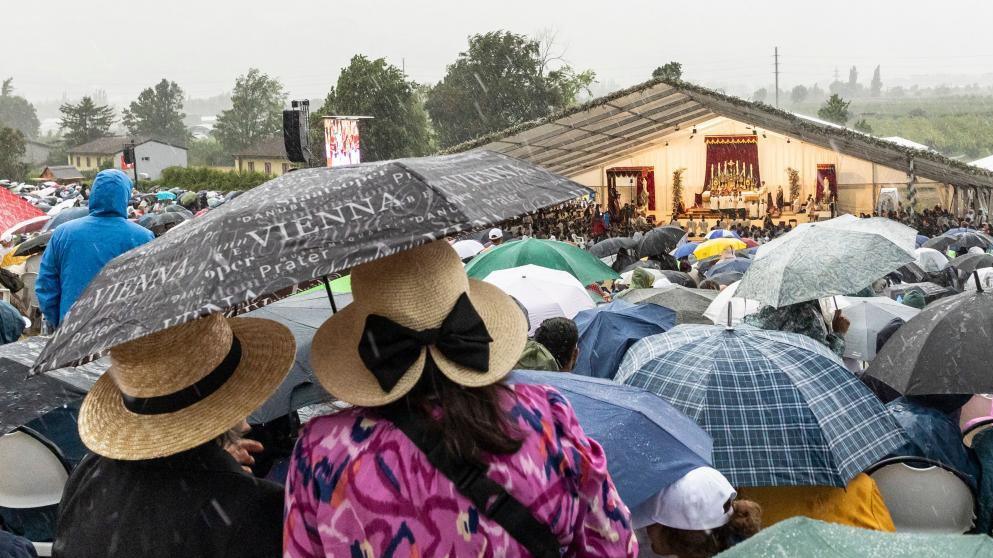
Four priests—one each from the United States and Switzerland, and two from France—were ordained in a tent set up on local pasture land. The ceremony, shielded by thick curtains and illuminated by candles, was broadcast online in seven languages and witnessed by an estimated 15,000 spectators, many of whom were supporters of the traditionalist movement.
Historically, the SSPX has resisted changes such as conducting Mass in vernacular languages and engaging more openly with other faiths. Pope Leo XIV’s decree that the new bishops would not be recognized by the Vatican is consistent with earlier measures, including excommunication of SSPX bishops ordained in 1988 and the 2009 follow‑up by Pope Benedict XVI.
While the Pope has expressed concern that such unilateral ordinations threaten ecclesial cohesion, he has paused to avoid deepening an already fragile schism. Yet the Society’s leadership, led by Superior General Davide Pagliarani, insists that it has always respected the papal office and aims to protect Catholics from “false shepherds” who they say dilute authentic Catholic identity.
With an estimated membership of 600,000 worldwide—versus the 1.4 billion Catholics globally—SSPX continues to attract attention through its highly ritualistic ceremonies and public outreach, including commemorative “Écône2026” apparel and Swiss wine gifts sold at the event.
In the wake of this ordination, the Vatican has reiterated that episcopal consecrations must be made with papal approval. The response of Pope Leo XIV to the newly consecrated bishops—as excommunication or withdrawal of canonical status—remains to be seen, but it has already intensified a debate over tradition, authority, and modernity within the Catholic Church.