In brief
On 16 October a convoy of European diplomats, including a Belgian consulate, a French mayor, a Polish envoy and Catholic Church representatives, was attacked in the West Bank village of Taybeh. Masked settlers allegedly threw stones and assaulted officers, prompting Belgium and France to strongly condemn the violence while the IDF condemned the act and launched an investigation. Israeli officials dismissed the attack as part of a smear campaign and urged caution in drawing conclusions. The incident follows a separate assault on a U.S. journalist. The EU and other international actors called for accountability and the protection of civilians.
European diplomats attacked by Israeli settlers in West Bank
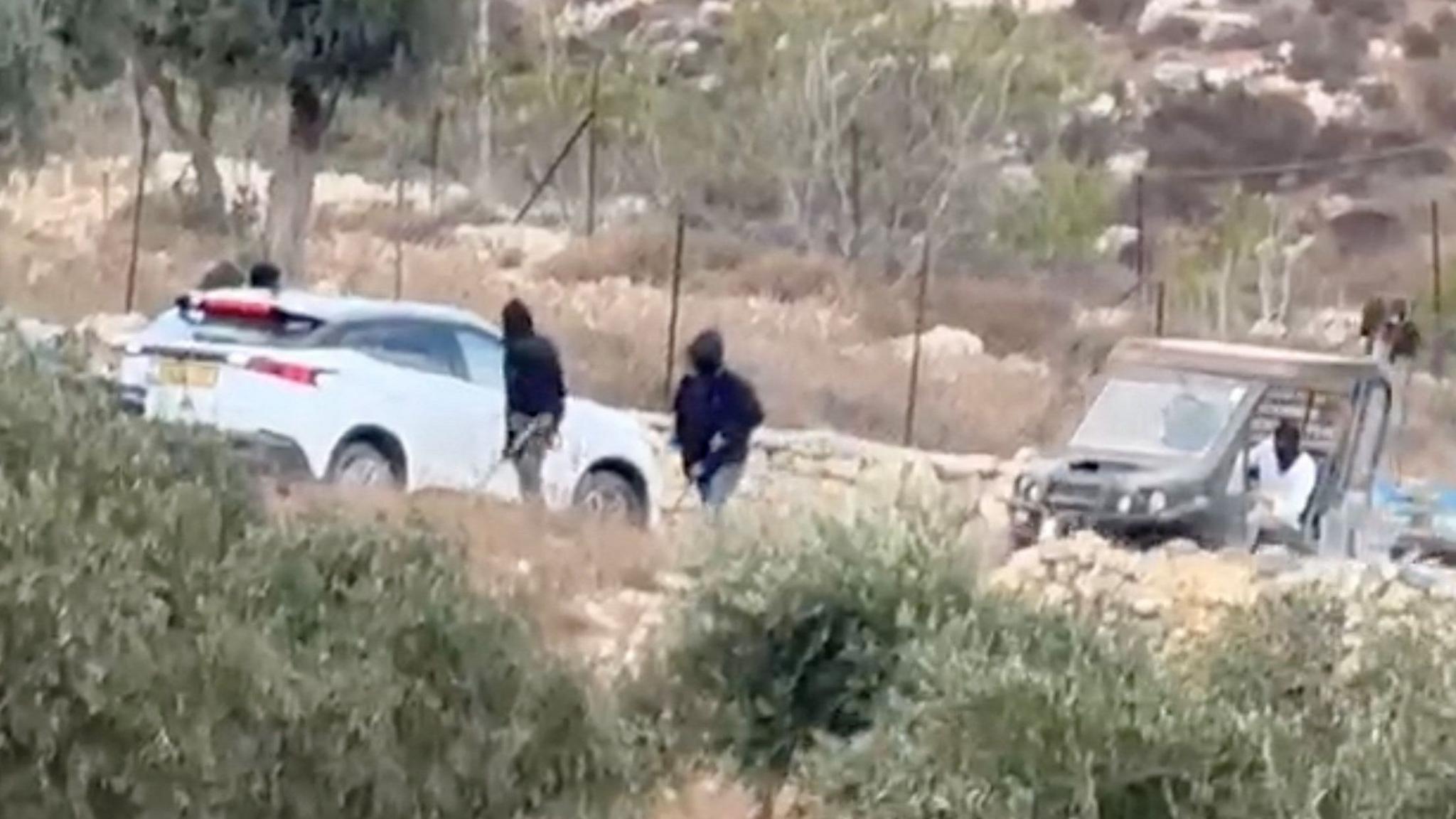
A convoy of European diplomats was attacked in the Israeli‑occupied West Bank on 16 October, after masked settlers in the village of Taybeh near Ramallah confronted the group with rocks and pointed weapons. The convoy included the Belgian consulate general, a French mayor, a Polish envoy and representatives of the Catholic Church who were in the area to observe the daily conflicts between settlers and Palestinian farmers during the olive‑harvest season.
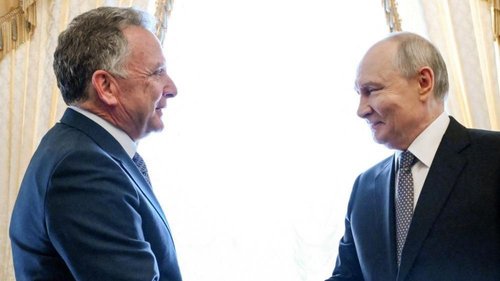
Belgium and France condemned the assault. Belgium’s foreign minister, Maxime Prevot, said the government would pressure the EU for sanctions against those responsible and insisted Israel had a duty to protect diplomats, journalists and Palestinians. France’s foreign minister, Jean‑Noël Barrot, called the violence "appalling" and urged Israeli authorities to "urgently halt this criminal violence" and guarantee safety for civilian populations.
Israel’s response
The Israel Defense Forces (IDF) condemned the act as a “severe act of violence” and said it was investigating the incident, noting that no soldiers were present at the scene. Foreign Minister Gideon Sa’ar called the assailants “Israeli rioters” and said the ministry was in contact with the ambassadors involved, meanwhile the Israeli prime minister’s office warned that the images “do not establish the complete sequence of events or individual responsibility” and that the situation was still under investigation.
The Israeli government suggested the incident was part of a “co‑ordinated campaign to smear Israel” and urged caution before drawing conclusions. The prime minister’s office also named the injured French official as Bernard Baudoux, the left‑wing mayor of Aulnoye‑Aymeries in northern France, and said he had been "kicked and beaten with iron bars" by settlers.
The attack followed another assault earlier that week in which a U.S. photographer, Heidi Levine, was injured by settlers in a different West Bank village. U.S. Secretary of State Marco Rubio called the incident “disturbing” and said it was “not a good look.” U.S. ambassador to Israel, Mike Huckabee, described it as a “despicable act of terror carried out by masked cowards” and called for the perpetrators to face the full extent of the law.
The European Union also condemned the attacks, urging Israel to abide by international and human rights law and to stop settlement expansion. The EU emphasized that full accountability and effective measures were required to end the violence against Palestinians and journalists.
Context and implications
Taybeh is a predominantly Christian village on the banks of the Yarmouk River and has historically seen tension between Palestinian peasants and Israeli settlers over farmland and water rights. The incident occurs amid a growing alarm that settler attacks may be part of a broader campaign to intimidate foreign diplomats and journalists covering the annual olive‑harvest in the region.
European states have voiced concern that diplomatic missions in the West Bank are failing to ensure the safety of their staff, while Israeli authorities say they are striving to protect all residents and maintain order in volatile areas. The clash demonstrates the diplomatic and security complexity inherent in the Israeli‑Palestinian conflict and raises questions about the role of foreign envoys in conflict zones.