In brief
After widespread demonstrations over cost‑of‑living and public services turned violent, French officials convened a crisis cabinet to assess the damage and restore order. President Macron urged national unity while Prime Minister Lecornu sought police reinforcements and a thorough investigation. The unrest, involving tens of thousands and 1,500 looted businesses, has coincided with political rivalry ahead of the presidential election, deepening public unrest. The response has drawn criticism for lacking concrete measures, leaving questions about compensation, policing and future political stability unanswered.
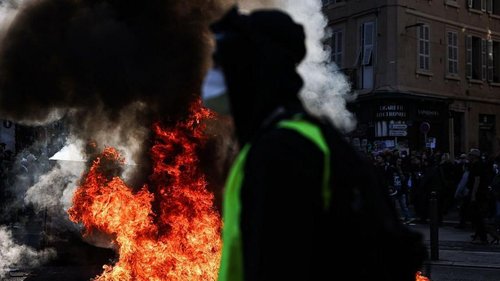
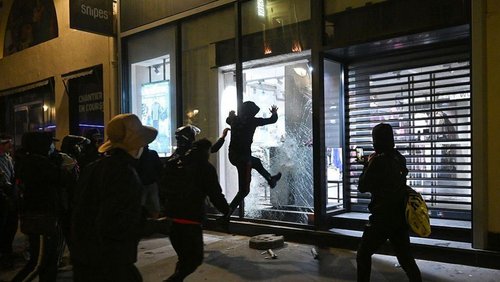
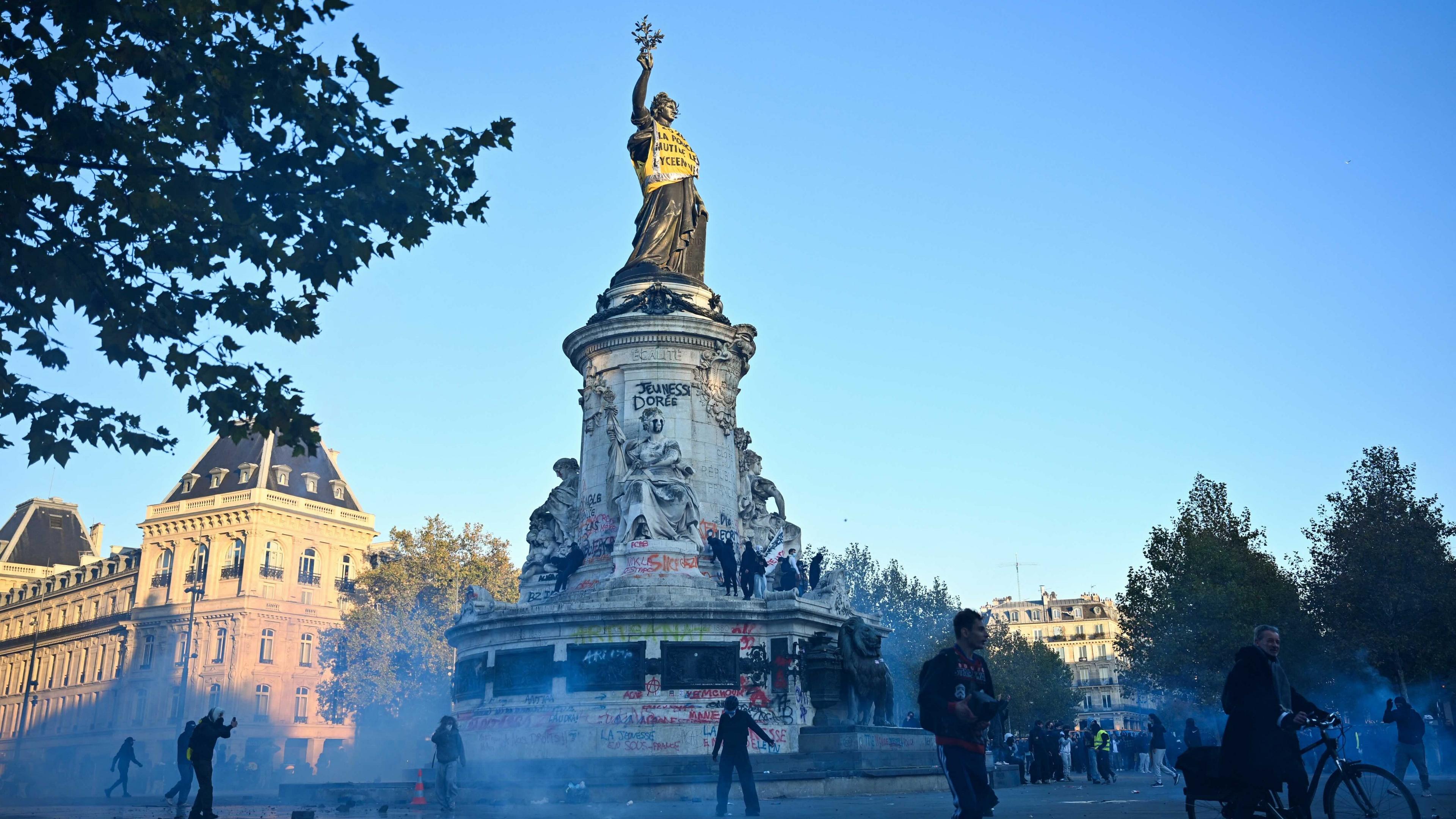
On October 18, what began as a nationwide protest over rising living costs and declining public services spiralled into widespread looting and clashes, leaving more than 1,500 shops and businesses damaged and a police force injured by tear gas and water cannon.
In response, Prime Minister Sébastien Lecornu called a crisis cabinet meeting on Monday to evaluate the situation, while Interior Minister Laurent Nuez offered his resignation before President Emmanuel Macron refocused the government on seeking justice for offenders and reinforcements for street security.
The turmoil unfolded amid a highly fragmented parliament and a tense race for the upcoming presidential election, with Marine Le Pen and Jean‑Luc Mélenchon positioning themselves as alternatives to Macron’s centrist agenda. Political leaders have publicly blamed radical left groups, allege government incompetence, and used the events as a backdrop for electoral campaigning.
Macron’s televised address called for unity and pledged that those responsible would be punished, yet critics argue the speech lacks policy detail, raising questions about how looted businesses will be compensated and how police will be better protected in the near future.
Survivors and residents of shattered town halls now ask whether the nation can reconcile its needs for public safety with the overdue reforms in education and welfare that sparked the protests in the first place. As students enter their half‑term break, the government must address the broader societal grievances that fuel repeated demonstrations.