In brief
The World Food Programme has announced a drastic reduction in aid to Gaza, cutting the number of people assisted by one‑third and halving the daily hot meals supplied by community kitchens. Funding shortages have forced the agency to slash cash transfers and food rations, which will impact families already struggling to meet basic needs. Local residents, including mothers from displaced camps, describe the cuts as a disaster that will deepen food insecurity amid ongoing conflict. Despite a ceasefire months earlier, the humanitarian crisis continues as Israel controls access to essential goods and the UN reports rising risk of famine for most of Gaza’s population.
World Food Programme cuts aid to Gaza amid funding shortages
The World Food Programme (WFP), a key supplier of food aid to Gaza, has announced it will reduce lifesaving assistance to the Palestinian territory by roughly a third. The reduction takes effect as winter approaches, a period when many families depend on regular meals to survive.
Daily hot meals currently provided by community kitchens will decline from 250,000 to 150,000. Families in hard‑to‑reach zones, such as those near the yellow line that marks Israel’s military control, will receive a meal every other day instead of daily.
The cuts affect nearly 1.6 million people, dropping to 1.1 million, and the number of rafters receiving flour and ration boxes will fall from 1.1 million to 600,000 each month. Cash transfers to about half a million residents have already been reduced since July, limiting their ability to purchase food locally.
WFP officials say the decision stems from a funding gap; the agency received less than half the support of previous years and urgently requires $450 million to sustain critical operations for the next six months. The agency emphasises that aid cuts are not a response to a decrease in need and that access to Gaza has not been restricted.
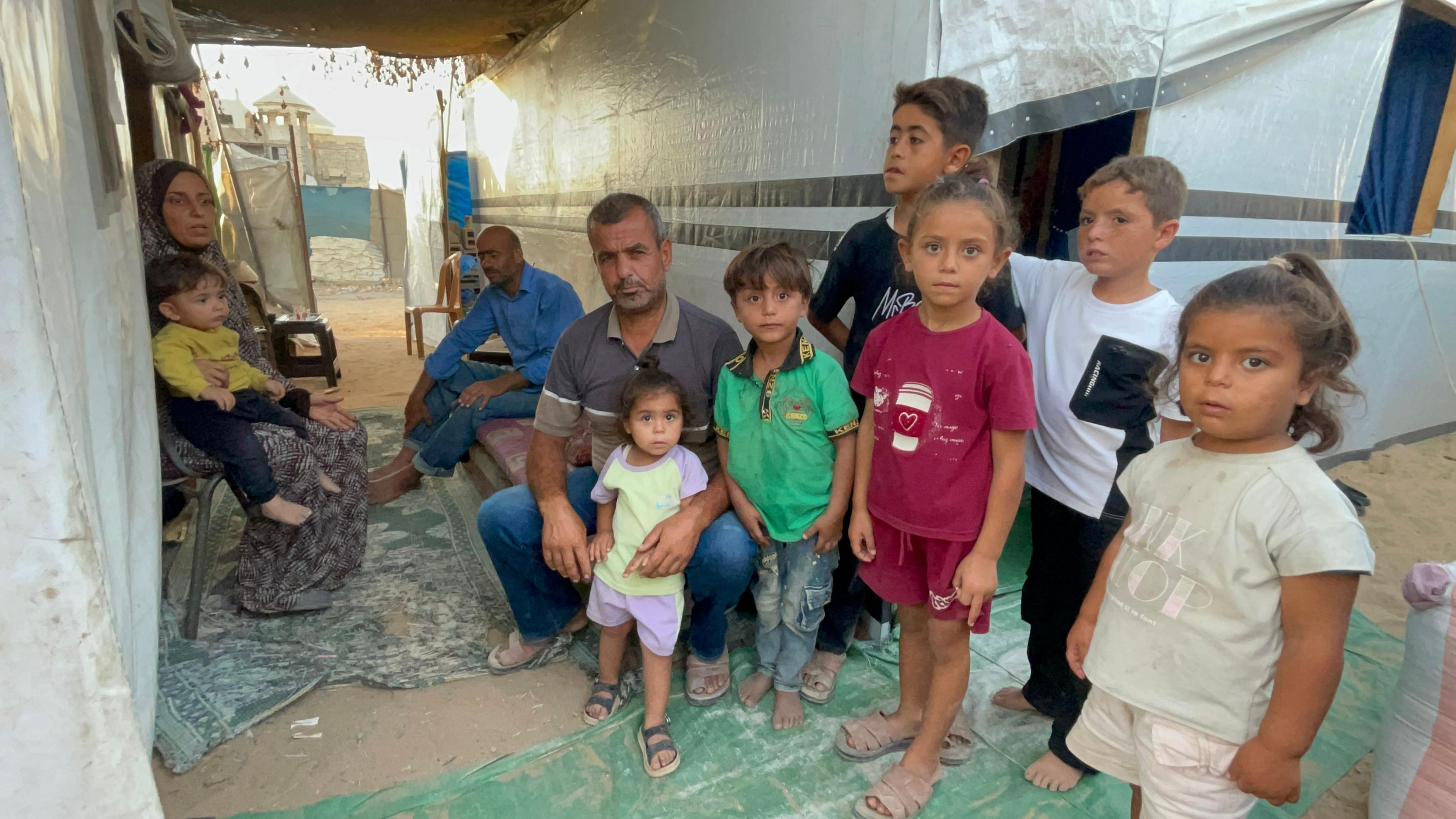
Mothers living in displacement camps describe the situation as a “disaster.” With most of Gaza’s 2.1 million residents displaced and over 80 % unemployed, the remaining population relies heavily on aid. Even before the reduction, assistance was already limited in scope and diversity, with basic foods such as flour inadequate for daily nutrition.
In addition to food support, the WFP maintains bakeries that supply roughly one‑third of Gaza’s bread needs and serves nutritional aid to about 300,000 women and children. However, the growing risk of famine continues as experts predict that two‑thirds of the population will face crisis or worse levels of food insecurity by end‑2026.
The humanitarian situation remains dire amid continued Israeli strikes, limited market access, and a lack of essential resources. With the funding shortfall unaddressed, the WFP’s reduced operations risk worsening an already critical crisis for Gaza’s residents.