In brief
French DJ Kavinsky, born Vincent Belorgey, has died at 50 after being found dead in his Paris home. The artist’s 2010 track "Nightcall" became a cultural milestone, famously featured in the film Drive and showcased during the Paris 2024 Olympics closing ceremony. French President Emmanuel Macron and Culture Minister Catherine Pégard led public tributes, citing his unique voice and international impact. Preliminary reports suggest a possible stroke, though investigators have opened a formal inquiry. Kavinsky’s legacy is remembered worldwide, from synthwave fans to global collaborators such as The Weeknd, with his music continuing to transcend generations.
Kavinsky, French Electronic Music Icon, Dies at 50
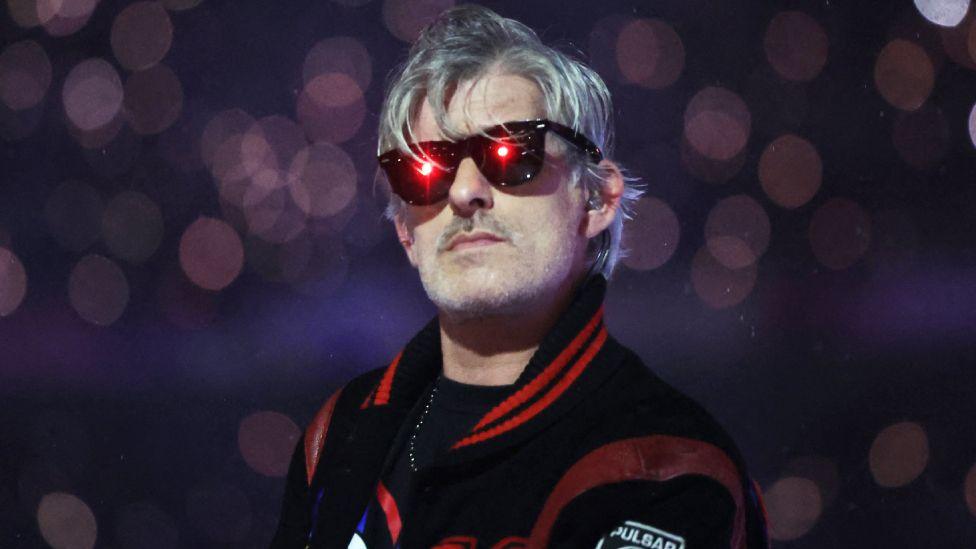
French DJ Kavinsky, the stage name of Vincent Belorgey, was found dead in his home in Paris on Tuesday evening, according to a statement from the Paris prosecutor’s office. The 50‑year‑old artist, known for his synth‑driven track “Nightcall,” had been a distinctive voice in French electronic music and a fixture in international pop culture.
Kavinsky launched his career in the early 2000s, opening for pioneers such as Daft Punk and eventually carving out a niche with his red‑eyed zombie persona. The single “Nightcall,” released in 2010, reached iconic status when it was used in the opening credits of the 2011 film Drive, starring Ryan Gosling. Its dub‑step groove and vocal hook echoed across music platforms, and the track found new life during the Paris 2024 Olympics closing ceremony—so much so that it temporarily became the most Shazamed song on record.
Following his death, French President Emmanuel Macron took to Facebook, calling the maestro “a source of French pride forever,” while Culture Minister Catherine Pégard posted on X that France had lost “one of its most unique voices.” Pégard referenced the global reach of Kavinsky’s work, noting that from a small French suburb to worldwide streaming platforms, his music could still move listeners of all ages and backgrounds.
Preliminary investigations point to a possible stroke, with the artist reportedly complaining of headaches in the days leading up to his death. No suspicious objects were found at the scene, and the prosecutor’s office has launched an official inquiry into the exact cause of death.
Beyond “Nightcall,” Kavinsky’s collaborations highlighted his fusion of French house aesthetics and darker synthwave textures. He worked with Daft Punk’s Guy‑Manuel de Homem‑Christo on its production, collaborated with Sebastian on mixing, and found vocalists ranging from Brazilian artist Lovefoxxx to Canadian star The Weeknd on his track “OutRun.” In 2013, London Grammar covered “Nightcall,” amplifying its reach even further, and in 2024 the Belgian singer Angèle joined him in a live performance at the Olympics.
Kavinsky’s influence remains evident across the realms of film, video games, and pop culture. His legacy is a testament to how niche genres can rise to mainstream acclaim and how an artist’s distinctive sonic signature can bridge multiple communities worldwide. The industry, fans, and cultural institutions will undoubtedly mourn the loss of a creator whose work continues to echo across borders and eras.