In brief
A 68‑year‑old French tourist, Pierre Michel Formosa, was found dead in California’s Death Valley after his vehicle became stuck in mud during a record heatwave. He and his companion trekked the salt flats in attempts to seek help, but the intense heat halted him after traveling 1.3 miles. Park rangers and police discovered him later that afternoon. Death Valley’s extreme temperatures, combined with the park’s remoteness, have prompted warnings of dangerous conditions for visitors. Coroners will later determine the cause and manner of his death.
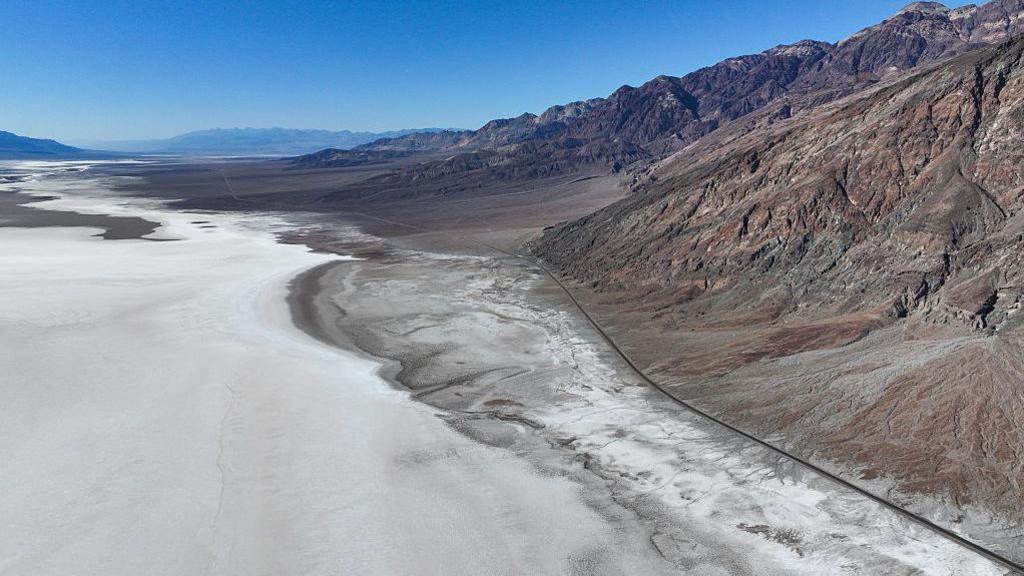
A 68‑year‑old French tourist, Pierre Michel Formosa, was found dead in California’s Death Valley after his vehicle became stuck in mud on West Side Road. The heat, recorded at 46.6 °C (116 °F), forced the traveller to walk across the salt flats in an attempt to find help.
Police and park rangers searched for hours, finally locating Formosa in the afternoon. He had been unable to keep going after covering 1.3 miles over the extreme heat. The travelling companion was able to hail a nearby driver while the search continued.
“This is a heartbreaking reminder of how quickly conditions here can turn dangerous,” said Death Valley National Park Superintendent Mike Reynolds.
Heatwaves across the United States have seen more than 50 deaths in recent months, with the National Weather Service predicting the “hottest week so far” in Southern California this season. Death Valley itself has been labeled the “hottest place on Earth”, and an extreme‑heat warning remains in effect.
Coroners will determine the exact cause and manner of Formosa’s death. Authorities urge visitors to heed warnings and plan ahead when travelling in remote, high‑temperature destinations.