In brief
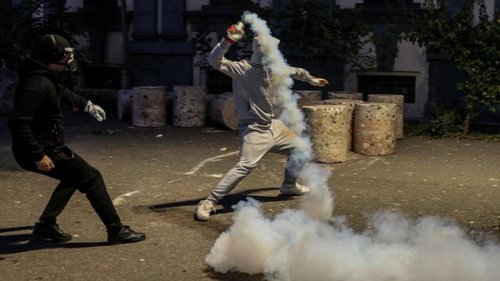
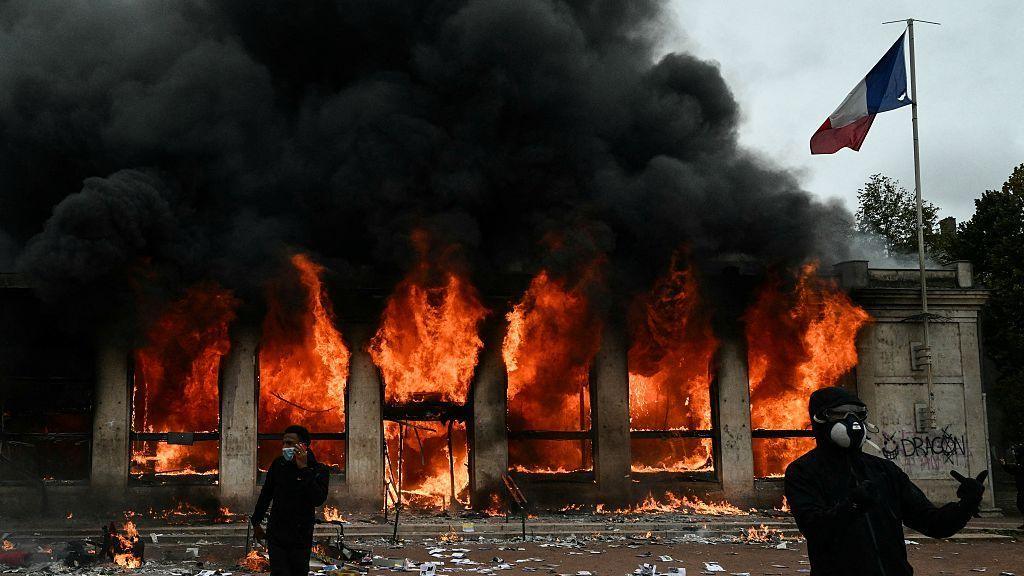
In response to a week‑long wave of looting and arson in French cities, President Emmanuel Macron has banned all non‑union protests for Saturday, offering alternative routes for trade unions to demonstrate. Interior and justice ministers report 2,700 arrests, with 217 jailed so far, as the government tightens police presence. Lyon, Nice, and other cities have imposed blanket bans or curfews, sparking debate over civil liberties and state power. Experts weigh the impact on upcoming elections and the broader social fabric.
President Emmanuel Macron has ruled that only recognised trade‑union marches will take place in French cities on Saturday, following last weekend’s spike in violence and property damage.
In Lyon, Nice, and several other towns the prefects have issued blanket bans on demonstrations, while curfews that restrict night‑time gatherings have already been imposed in Marseille, Bordeaux and Lille.
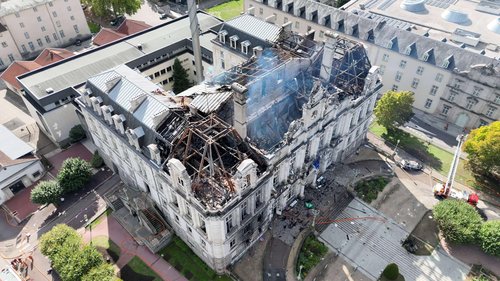
Charred remains of a tourism office in Lyon and a burnt‑out city hall roof in Limoges serve as stark reminders of the unrest that has swept the country. Interior Minister Jean‑Didier Berger said police deployments would rise by 20% compared with the weekend, after he feared the unrest had caught the administration off‑guard.
The justice ministry confirmed that 217 people have been jailed in fast‑track trials over the incidents, and that the total is expected to rise. Gérald Darmanin added that 2,700 people were arrested nationwide, with more than 1,000 already in court.
Macron’s statement came after a meeting with intelligence services, colonels and senior ministers. He stated that “the general recommendation is that there should be no demonstrations” and that unions would be offered “alternative routes” by prefects. He condemned what he called “political and seditious acts organised by far‑left groups that aim to bring down the Republic.”
The gilets jaunes movement, which had organised many of last weekend’s marches, saw several of its planned routes banned by Paris authorities. Prime Minister Sébastien Lecornu pledged a “massive” police deployment, though some officers admitted a lack of crowd‑control training.
The chaos comes as President Macron’s final months in office draw near, with national elections scheduled for 18 April and 1 May next year. “We must work to make the streets safer and bring justice to those who commit these acts of violence,” said the president, adding that the government would seek the cooperation of the French people and the media.
Observers argue that a balance is needed between maintaining order and protecting democratic rights. The crackdown follows a roughly 550,000‑person turnout that had initially been peaceful but devolved into widespread looting and arson, including the destruction of historic buildings and a tourist office in Lyon.
The aftermath has seen the resignation pressure on the interior minister, which was rejected by the president, who directed a focus on safety and future justice, underscoring that France must navigate social tension while preparing for its upcoming elections.