In brief
A new trend shows Gen Z favoring cold, personalized beverages over traditional hot coffee, reshaping the beverage market. Elaine Ling’s choice mirrors a broader shift in America and beyond, with major chains tailoring offerings to suit this preference. Greater service‑customisation and social media hype help brands command premium prices, while the trend also signals a cultural move towards visual, experiential consumption. Starbucks and rivals alike are betting on the growth of iced drinks, which now represent a majority of their sales.
Why Gen Z favours iced beverages over coffee
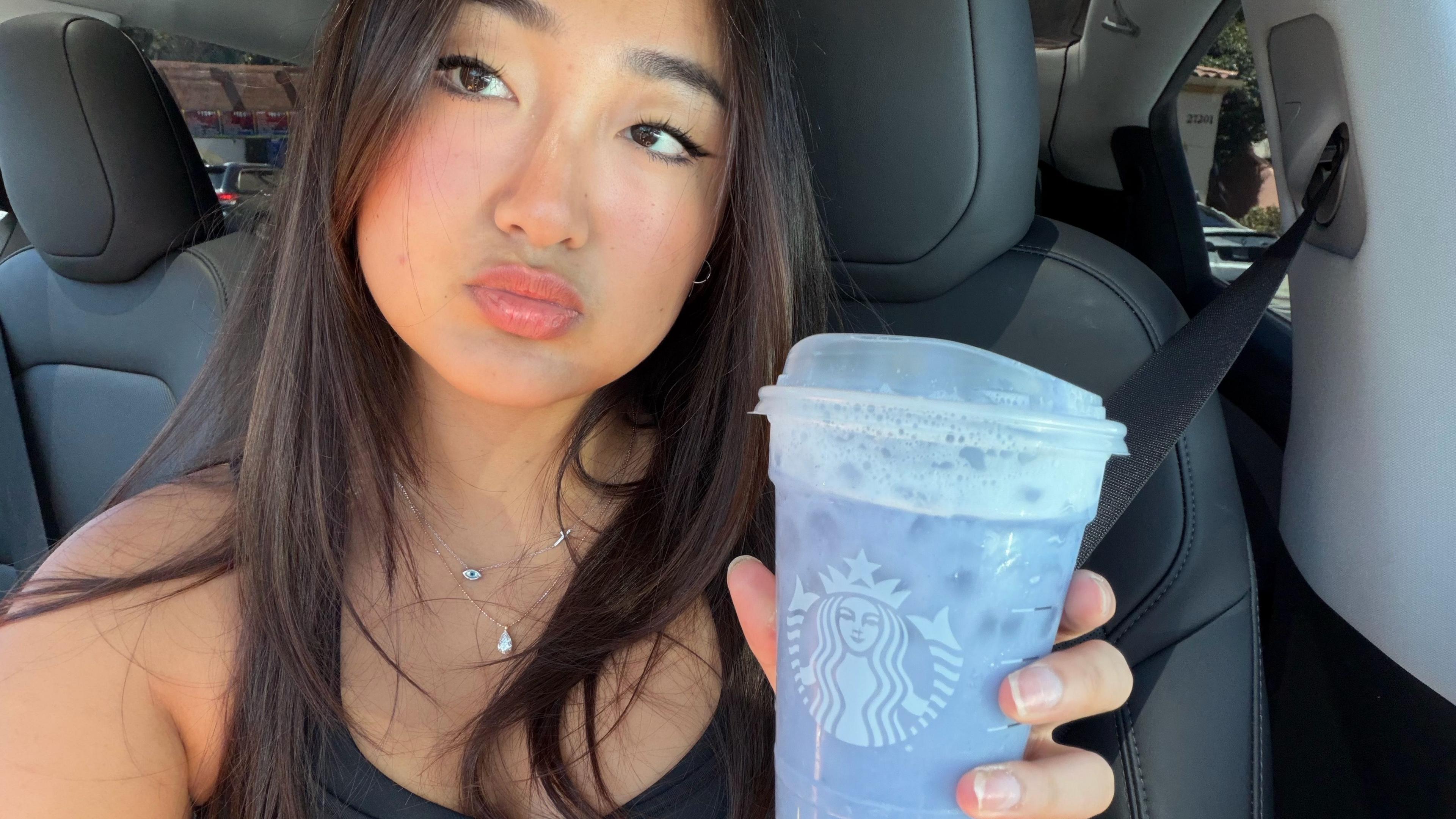
Elaine Ling, who splits her time between New York and California, admits she skips Starbucks for hot coffee because she finds it too sweet. She prefers the chain’s cold offerings – frappuccinos, iced fruit blends and protein‑boosted drinks – before turning to local cafés for her real coffee fix.
Studies show that three out of every four drinks served at Starbucks are cold, reflecting a shift that goes beyond a summer fad. Younger customers see these drinks as an easy way to customise flavours, visualise layers and sense control over what they consume.
Tristan Höver, a global insight manager at Euromonitor, notes Gen Z is price‑sensitive yet willing to pay more for a drink that feels special or visually appealing. Size, layers and design help justify higher prices.
Analysts see cold drinks as a form of self‑expression, comparable to selecting a fashion item or hairstyle. This cultural trend aligns with the brand’s image, allowing Starbucks to maintain a premium pricing model.
Social media spikes have amplified the impact of limited‑time releases such as the Unicorn Frappuccino on TikTok, boosting foot traffic by 44 percent during its brief availability.
Competitors are catching up. Dunkin’ Donuts is testing protein‑boosted drinks and has partnered with celebrities like Kylie Jenner to appeal to younger audiences, while fast‑food chains such as McDonald's, Chick‑fil‑A and Taco Bell launch fruit‑based refreshers and coffee‑adjacent options.
UK data shows the trend is global: shoppers under 25 purchase cold drinks more often than hot ones when they step outside their homes, with over 70 percent buying them year‑round and over 80 percent favouring them in summer months.
Researchers argue the "infinite" personalisation through foams, flavours and protein delivers near‑pure profit for Starbucks. It has helped the company recover from periods of weaker sales, with cold drinks now making up more than 70 percent of U.S. beverage revenue.
This shift highlights how changing consumer preferences and digital culture drive significant changes in the beverage sector, reshaping the way companies design, price and market their products.