In brief
Scientists at the U.S. Geological Survey attribute recent Nepal‑Tibet floods to the collapse of a glacier segment, overturning earlier speculation that an earthquake was responsible. The incident underscores the accelerating melt of Himalayan glaciers, a climate‑change driven process. While the exact trigger remains unknown, the event highlights the vulnerability of communities to glacial outburst floods.
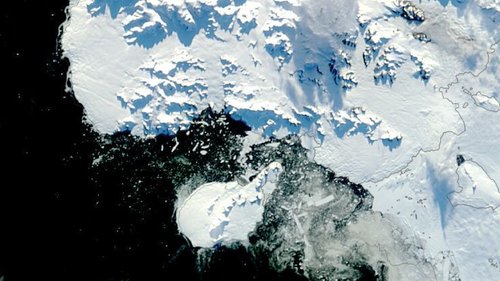
The U.S. Geological Survey announced that the recent catastrophic floods along the Nepal‑Tibet border were triggered by a glacial collapse, meaning a portion of a glacier disintegrated and released a sudden surge of meltwater.
Initial eyewitness reports and preliminary assessments had pointed to a seismic event as the cause, but further data has ruled out a quake, shifting focus to the glacier’s structural failure.
Experts warn that Himalayan glaciers are melting at an accelerated rate due to rising global temperatures and climate change, making such collapses increasingly probable. The lack of a clear causative factor highlights the complexity of monitoring glacial dynamics in a rapidly warming world.
For further context, see the BBC feature “Collapsed glacier likely caused devastating Nepal‑Tibet floods, scientists say” at https://www.bbc.co.uk/news/articles/cly464k252yo.