In brief
A 130‑to‑17 vote with 25 abstentions approved a resolution to end the U.S. embargo on Cuba, marking a decline of 35 supportive votes from 2025. The Cuban government hailed the outcome as a triumph against Washington’s pressure, while U.S. officials blamed Cuba’s internal policy and criticized its delegates. African leaders, Italian academics and groups, former Peruvian diplomats, and Brazilian activists urged solidarity and condemned the U.S. blockade as coercive.
The United Nations General Assembly voted on a resolution to lift the U.S. embargo on Cuba, ending the "blockade" with 130 votes in favor, 17 against and 25 abstentions. The outcome reduced support by 35 votes compared with the 165 in favor that passed in October 2025, according to a report released by United Press International on Thursday.
According to UPI, Cuba’s foreign ministry condemned the vote as a continuation of U.S. sanctions and portrayed Washington’s campaign as an effort to pressure other governments to oppose or abstain. U.S. officials, meanwhile, blamed Cuba’s internal policy and criticised the conduct of Cuban delegates by pointing to the country’s political climate and diplomatic conduct.
Xinhua reported that Cubans celebrated the resolution as a “victory” for the people of Cuba, with President Miguel Diaz‑Canel describing the vote as a triumph of truth over lies and blackmail. He said the result proves that "the embargo is the real threat, not Cuba itself," and praised the international community for recognising the island as "not a threat to the world or Europe." The resolution will be formally adopted at the UN on 28 October.
In Africa, Pan‑Africanist analyst Fortune Madondo urged African states to unite in support of the Caribbean island. "Let us be categorical and direct from the front lines: a unified stance—with no whispers or abstentions—in support of the Caribbean island at the General Assembly," Madondo wrote in articles published by Modern Ghana and Southern African Eye News. He criticised the U.S. State Department’s pressure tactics, calling them blackmail and equating them to the methods used against South African apartheid. Madondo warned that a united stance could protect African sovereignty against future coercion.
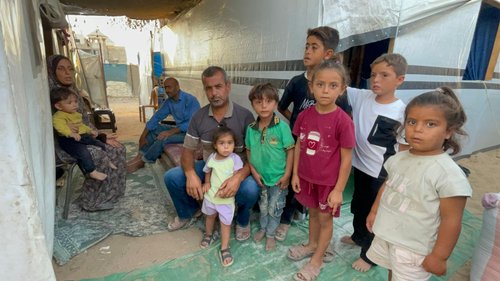
Italian academics also called for solidarity. Luciano Vasapollo, a professor in Rome, urged European governments to reject Washington’s pressure and highlighted the humanitarian impact of the embargo, citing Cuban statistics that more than 883,000 people were registered in vulnerable conditions as of September. He said the ban "hurts families, public services and institutions" and urged Italy and other European states to maintain their previous supportive stance at the UN.
The Italian left amplified the call for support. The Cambiare Rotta/Communist Youth Organization and the Student Opposition of the Alternative demanded that Italy vote in favour of ending the U.S. blockade, arguing that the embargo restricts Cuba’s development and violates its right to self‑determination. The National Italy‑Cuba Friendship Association sent a letter to Foreign Minister Antonio Tajani urging him to continue the country’s historic opposition and to resist any influence from U.S. Senator Marco Rubio. Both notes emphasise Italy’s friendship with Cuba and the need for an independent position.
From the Holy See, Cuban ambassador Leyde Rodriguez denounced the blockade as genocidal, citing an estimated $8.083 billion in damages between March 2025 and February 2026. He argued that the policy constitutes collective punishment and compared the energy restrictions to a naval blockade. Rodriguez cautioned that the UN General Assembly must lift the embargo to prevent further suffering among the Cuban population.
Former Peruvian ambassador Hugo Otero urged Latin American nations to defend Cuban sovereignty ahead of the UN debate. He categorised U.S. pressure as an assault on the independence and dignity of the continent, reiterating Peru’s diplomatic tradition of defending the sovereignty of countries facing external domination.
In Brazil, the General Abreu e Lima Anti‑Imperialist Committee expressed solidarity with Cuba and former leader Raul Castro, rejecting the U.S. blockade. The committee criticised an arrest warrant for Castro issued by Florida authorities as part of Washington’s policy of isolation and denounced U.S. Secretary of State Marco Rubio for pressuring other governments to vote against the Cuban‑sponsored resolution. The statement called for an end to the "genocidal blockade" and highlighted the blockade’s harmful effects on Cuban people.
Collectively, the reports illustrate a mixed international perspective on the U.N. vote: while the resolution was adopted, Cuba’s support fell short of the previous year, and a range of actors from African, Latin American, and European sources continue to call for sustained opposition to Washington’s long‑standing embargo and to highlight its humanitarian and economic costs. The outcome sets the stage for ongoing debates as the United Nations prepares to review the U.S. embargo once again in the coming months, with the question of how best to balance national sovereignty, geopolitical influence, and human rights remaining at the forefront of the discussion.