In brief
A new Pew Research Center survey has revealed that in 25 of the 36 countries polled, people hold more positive views of China than the United States. The study counted 42,000 respondents across the globe and reports that confidence in Chinese leader Xi Jinping, although low, is higher than the confidence in former U.S. President Donald Trump. While China is seen as less likely to interfere in other nations' affairs, the U.S. is still perceived to respect personal freedoms more. The shift is most pronounced in middle‑income countries, with significant swings in places like Spain, Indonesia, and Italy, while traditional US allies such as Poland and Japan remain the minority favoring the United States.
In a first in several decades, a Pew Research Center survey has shown that more countries now see China in a more favorable light than the United States. The study, which polled over 42,000 people in 36 countries between February and May, found that 25 of those nations have more positive views of China than of the U.S.
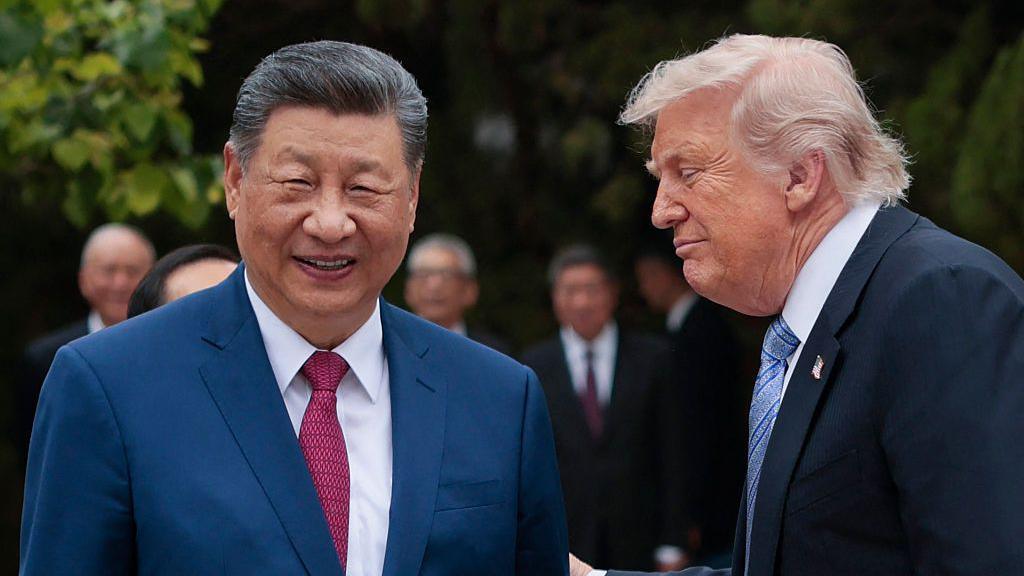
Respondents were asked to rate how favourable or unfavourable they found each superpower, and how much confidence they had in their leaders – Xi Jinping and Donald Trump. While overall trust in both leaders was low, the confidence level for Xi was higher than that for Trump in most surveyed countries.
Outside of leadership trust, respondents shared nuanced views about each nation’s foreign behaviour. China was perceived as less likely to interfere in other countries’ affairs, whereas the U.S. was seen as relatively more likely to do so. Personal freedoms were still believed to be better protected in the United States, although the gap between the two countries in that regard has narrowed.
The most significant swings toward China were recorded in Spain, Indonesia, Italy, Greece and Canada, all of which saw record highs in favourable opinions. In contrast, only six countries – Poland, the Philippines, South Korea, India, Japan and Israel – still prefer the U.S., reflecting their long‑standing alliances with Washington.
Further analysis reveals a broader trend: middle‑income countries tend to hold more positive views of China, while wealthier nations tend to be more critical. Singapore stands out as an exception, enjoying the highest GDP per capita among the surveyed nations and yet rating China highly. In the Asia‑Pacific, Pakistan shows the sharpest preference for China at about 90%, compared with just 11% in Japan.
Other research bodies echo these findings. Gallup noted China’s global approval ratings surpassed those of the U.S. last year, while the Asia Society’s Global Public Opinion on China survey saw a modest rebound in China’s image after it dipped during the pandemic. Scholars such as Chong Ja Ian highlight that U.S. policy volatility – including military interventions and economic sanctions – has alarmed many, whereas China’s steadier image gains traction, especially in developing regions.
Overall, the Pew data suggests a shift in global perception that may influence future diplomatic and economic engagements. While China’s influence grows, confidence in its leadership remains mixed, pointing to a complex balance between global soft power gains and the realities of political authority.