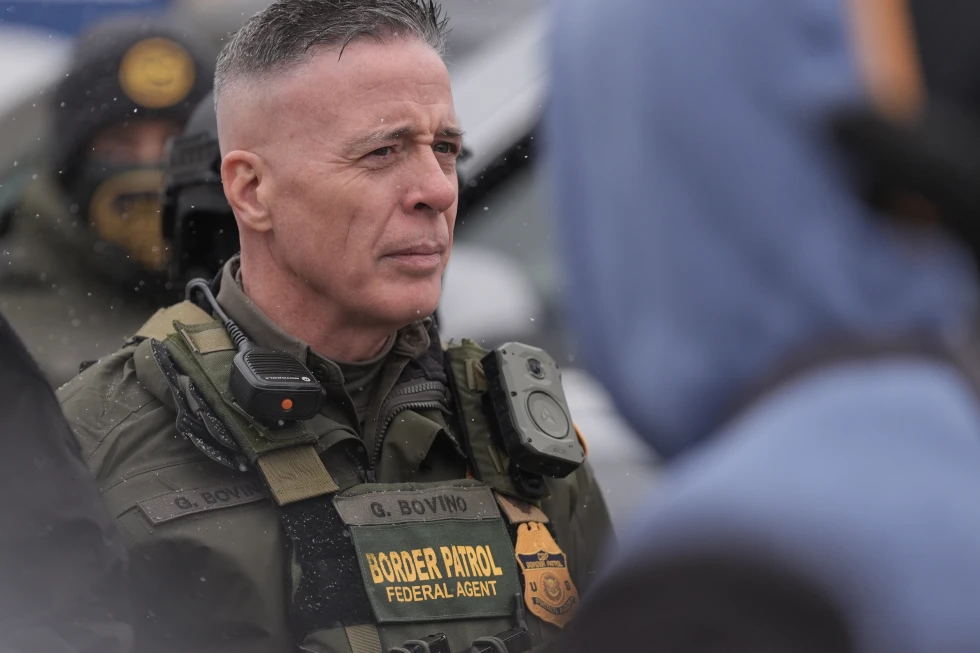
The commander of President Donald Trump’s immigration enforcement operations, Gregory Bovino, is parting ways with Minneapolis following a series of federal actions that resulted in fatalities. This departure marks a significant point in Bovino's career as he has been at the helm of large-scale immigration crackdowns.
With a background that spans major cities like Los Angeles, Chicago, and New Orleans, Bovino has earned recognition as a provocative figure in the world of immigration enforcement. His leadership is characterized by tactics that some regard as norm-breaking, including smashing car windows to detain suspects and using helicopters for raids.
Controversial Tactics
In his operations, Bovino has been known for extraordinarily aggressive methods. For instance, during a raid in Chicago, agents utilized Black Hawk helicopters, resulting in a chaotic scene that led to neighborhood tensions and protests.
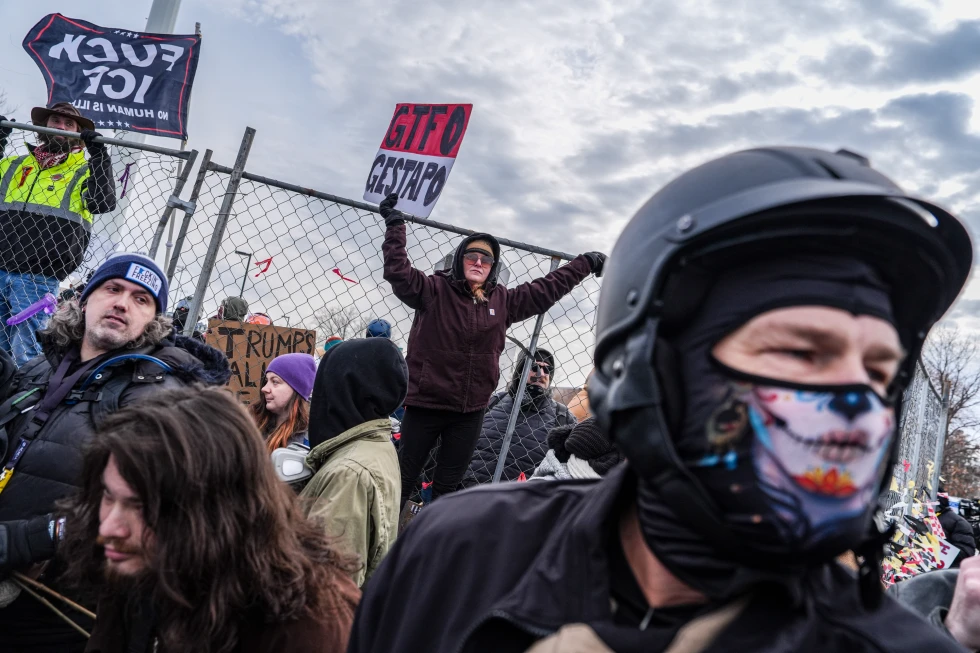
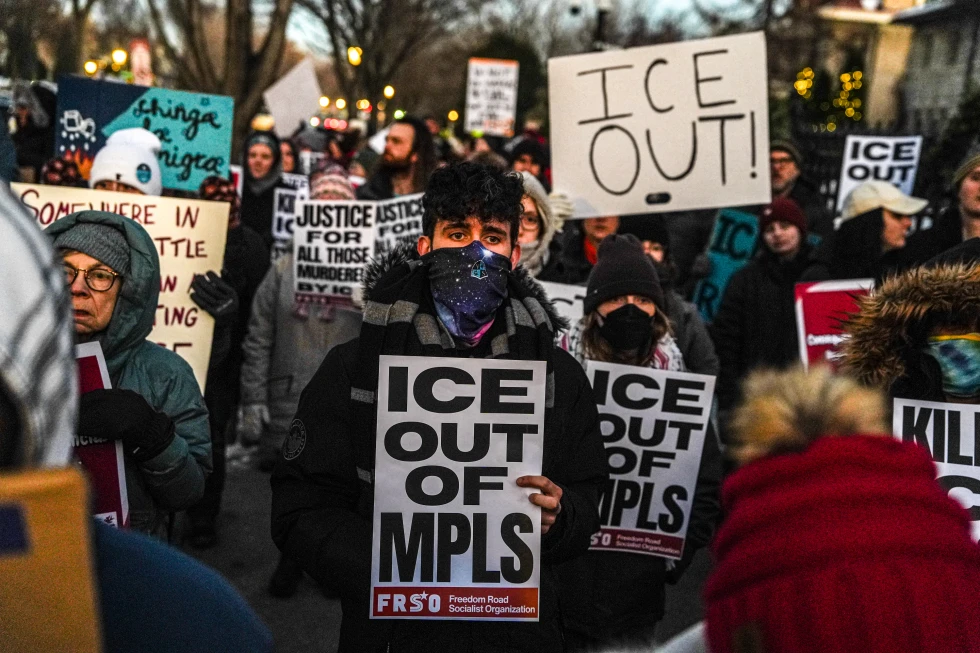
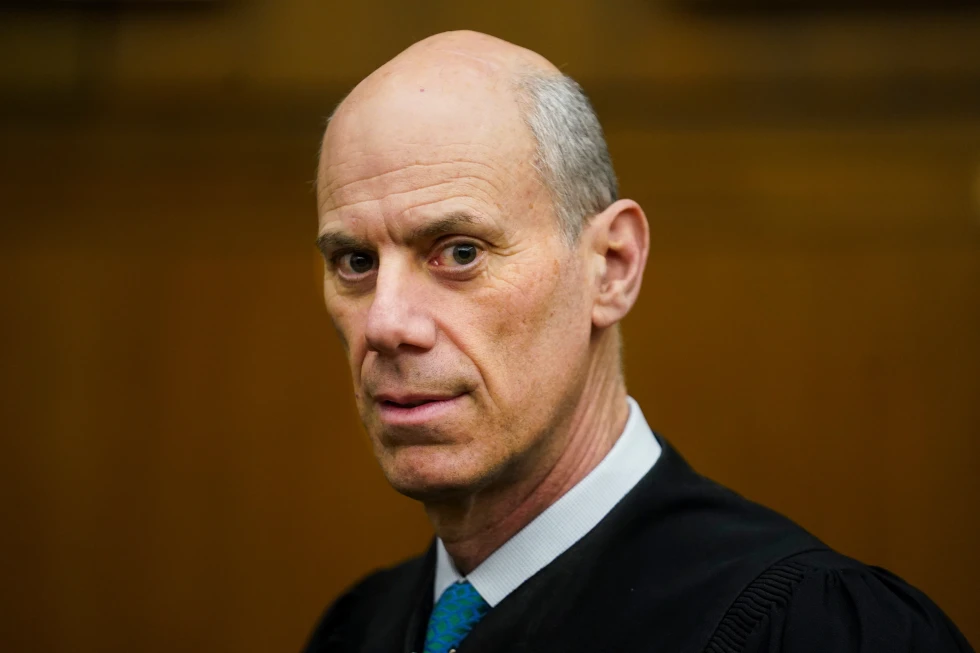
Critics, including activists and some city officials, argue that such tactics not only sow discord within communities but also lead to unnecessary violence. One federal judge even publicly rebuked Bovino for misleading statements about the risks posed by protesters, showcasing the legal repercussions of his actions.
A Shift in Enforcement Strategy
Traditionally, immigration enforcement involved measured investigations followed by arrests. However, Bovino has announced a 'turn and burn' approach, focusing on rapid enforcement actions that deviate from the established norms. He is quoted insisting that they would pursue one target after another without pause, echoing a philosophy that emphasizes expediency over caution.
Professional Journey
His contentious methods and the criticisms he has faced began to surface back when he was chief at the Border Patrol's sector in El Centro. Following controversies that included social media profiling, he was removed from his role but rejuvenated his career under the Trump administration.
Bovino's tenure with the Border Patrol commenced in 1996, and he is nearing the retirement age of 57. While he now plans to return to his native North Carolina, his legacy as a polarizing figure in immigration enforcement remains intact.
Outlook and Implications
The impact of Bovino’s actions extends beyond individual communities. His aggressive tactics have raised concerns over the nature of immigration enforcement in the U.S., leading to wider implications for policy and community relations. As discussions on immigration reform continue, the legacy of leaders like Bovino will undoubtedly shape the narrative surrounding immigration in America.