Guinea‑Bissau voters approve constitution that expands presidential powers
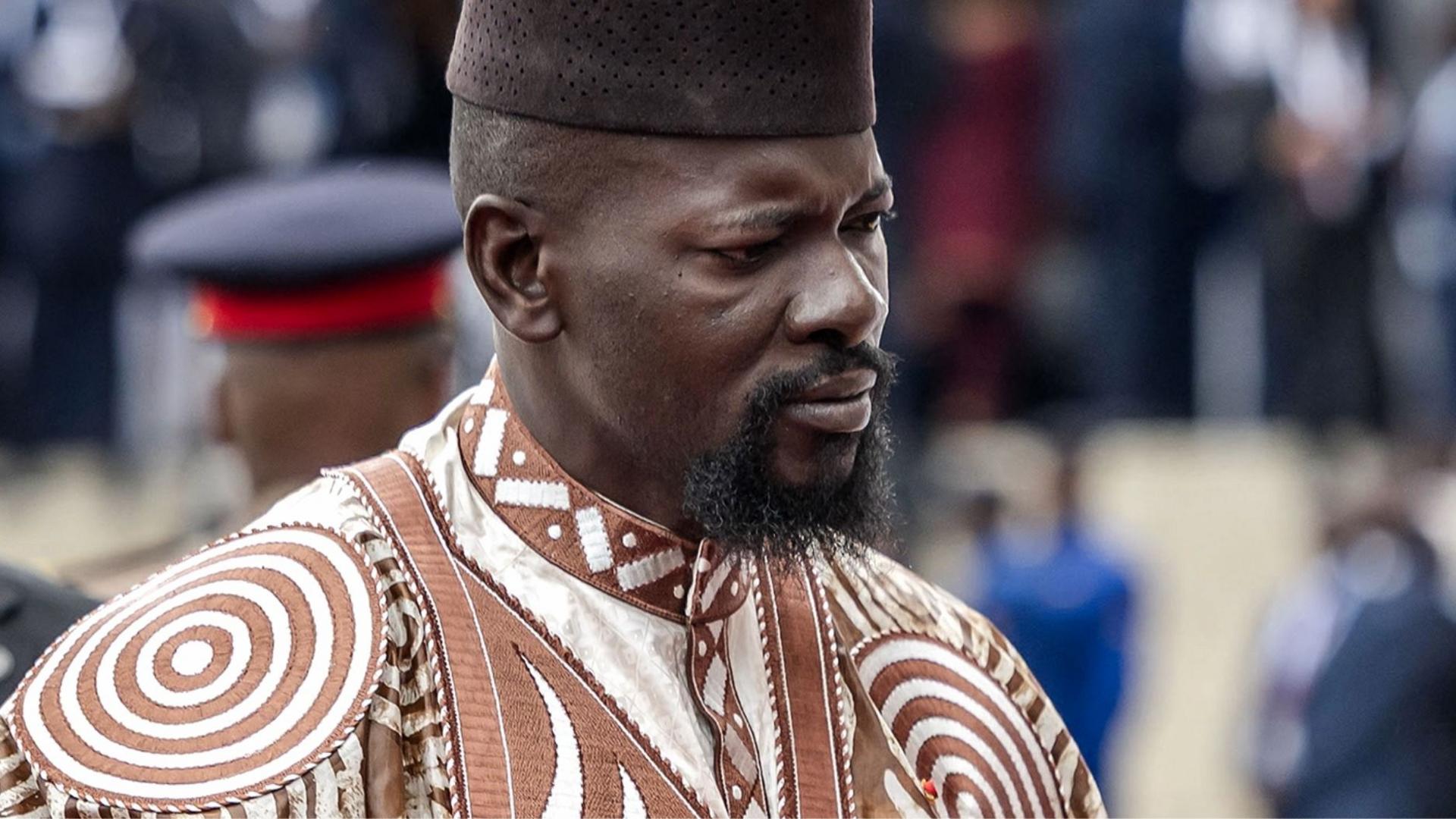
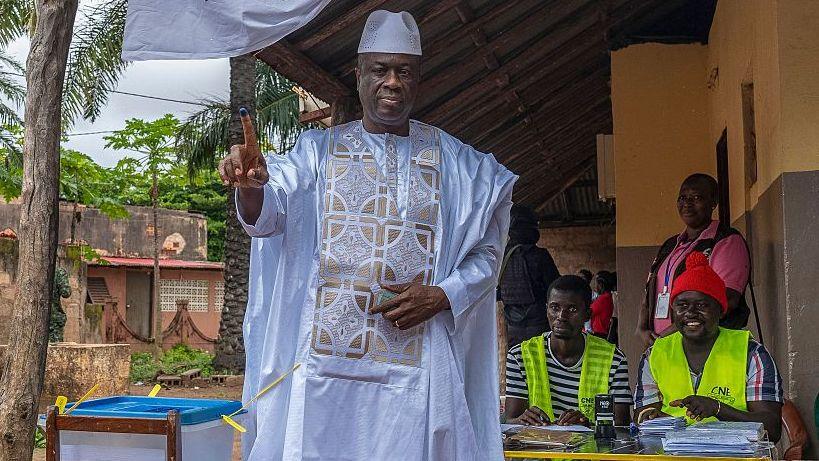
The West African nation held a nationwide referendum in July that saw 70% of participants endorse a new constitution drafted by its military government. The bill, approved on Sunday, grants President Gen Horta N’Tam sweeping control over the government, including the appointment and dismissal of the prime minister and cabinet, the creation or abolition of ministries, and the power to dissolve parliament during “grave political crises.”
The constitutional restructuring also reduces the size of the National Assembly from 102 to 65 seats and cuts the number of electoral constituencies from 29 to 12. While the five‑year presidential term and two‑term limit remain unchanged, the draft introduces new eligibility requirements for candidates, such as continuous residency in the country for five years prior to election.
The African Party for the Independence of Guinea and Cape Verde (PAIGC), the country’s dominant opposition force, boycotted the vote, citing a lack of safeguards for genuine democratic choice. Its leader, Domingos Simões Pereira, described the referendum as a “political manoeuvre to entrench authoritarian rule” and warned that expanding presidential authority could jeopardise civil liberties.
Guinea‑Bissau, which has experienced at least nine coups since independence in 1974, is currently under a military junta that seized power in November 2025 after a disputed presidential contest. The coup was justified by the junta as a measure to prevent a perceived plot involving a “well‑known drug baron” and the country’s drug‑trade infrastructure. Analysts argue that the new constitution might solidify the military’s influence even as the government presents itself as moving toward civilian rule with scheduled elections in December.
Regional experts, including Paul Ejime, have expressed concern that the referendum outcome does not reflect the popular will. Ejime called on ECOWAS to monitor the process, noting that the bloc’s charter prohibits constitutional changes within six months of elections. The upcoming December elections will therefore be a key test of whether the new constitution changes are upheld and how they shape Guinea‑Bissau’s fragile political system.