In brief
In a decree broadcast on state television, Guinea’s president Mamady Doumbouya announced the dismissal of more than 170 soldiers, citing ‘desertion’. The list includes colonel Michel Lamah, a former Special Forces commander who helped seize power in 2021. Doumbouya, who later won the presidential election by a wide margin, has faced criticism for reversing his initial pledge not to run. The dismissals are viewed as part of a broader effort to tighten control over the military and prevent dissent, amid ongoing restrictions on civil liberties in the country.
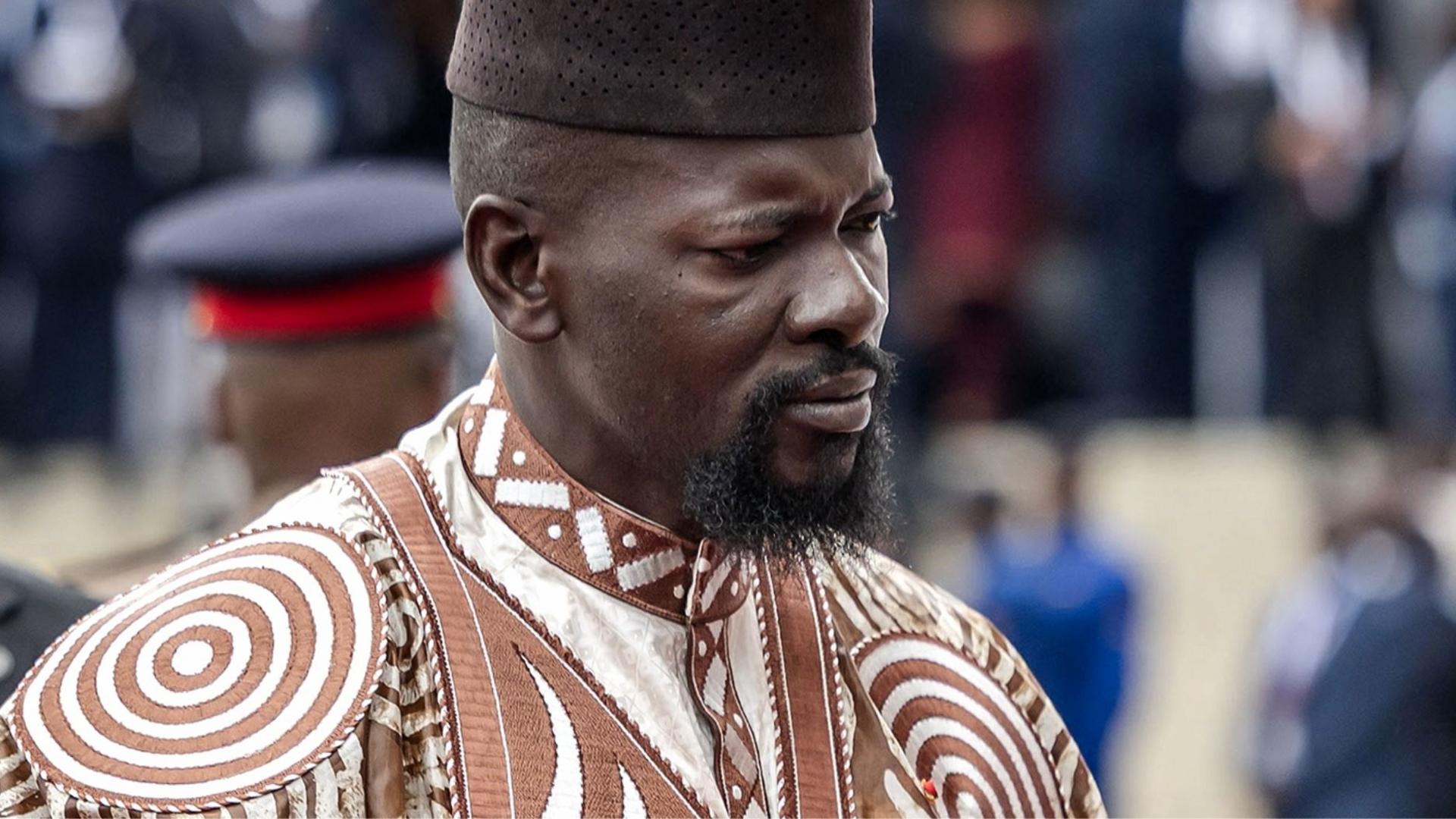
Guinea’s president Mamady Doumbouya, 41, has dismissed more than 170 soldiers for “desertion,” including colonel Michel Lamah, who helped him seize power in a 2021 coup.
The list of dismissed personnel was released in a decree on state television, read out by the president’s spokesman Gen Amara Camara. While the authorities did not specify the circumstances, the move is widely interpreted as a step to reinforce the president’s control over the armed forces.
Colonel Lamah, a former commander in the Special Forces Group—an elite unit under Doumbouya’s earlier command—had been in the public eye during the September 2021 coup when he was photographed in a vehicle carrying the deposed President Alpha Condé.
Doumbouya’s trajectory has been one of rapid transformation: after the coup he pledged not to run for office, yet later stood in December’s election, winning with a 87% vote share. His victory marked the most decisive result in Guinea’s history and signalled a shift toward civilian governance, though critics argue that power remains concentrated.
The dismissal of 173 soldiers coincides with a period of tightening state control, including the shutdown of media outlets, the banning of protests, and the suspension of several opposition parties. Human rights groups have noted that these actions, coupled with the recent purges, increase concerns about the erosion of civil liberties.
International observers caution that such measures can destabilise the security sector and threaten accountability. Meanwhile, the broader regional context shows a trend of military involvement in politics, raising questions about the future of democratic institutions in Guinea.