In brief
A woman who travelled from Uganda to Abuja was diagnosed with Ebola, marking Nigeria’s first case linked to the new epidemic. Health officials confirmed the diagnosis and isolated the patient, while 44 close contacts are being traced. The route of infection remains unclear, with preliminary reports suggesting she may have contracted the virus in Uganda. Nigeria’s past experience in 2014 underpins its robust tracing and isolation protocols, and the Nigeria Centre for Disease Control has tightened travel health requirements. This incident follows rising cases in Kenya and U.S. travel advisories.
A woman who travelled from Uganda to Abuja was diagnosed with Ebola, marking the West African nation’s first case linked to the new epidemic that has devastated the Democratic Republic of Congo and Uganda. Health Minister Muhammad Ali Pate confirmed the laboratory result, and the patient is now isolated and receiving treatment.
The patient, the wife of a diplomat, developed symptoms on 7 October—four days after arriving in Nigeria—and has 44 close contacts identified for tracing. The Ministry of Health says the route of infection is still under investigation, with preliminary reports suggesting she may have contracted the virus in Uganda, though she allegedly did not have symptoms when she entered Nigeria.
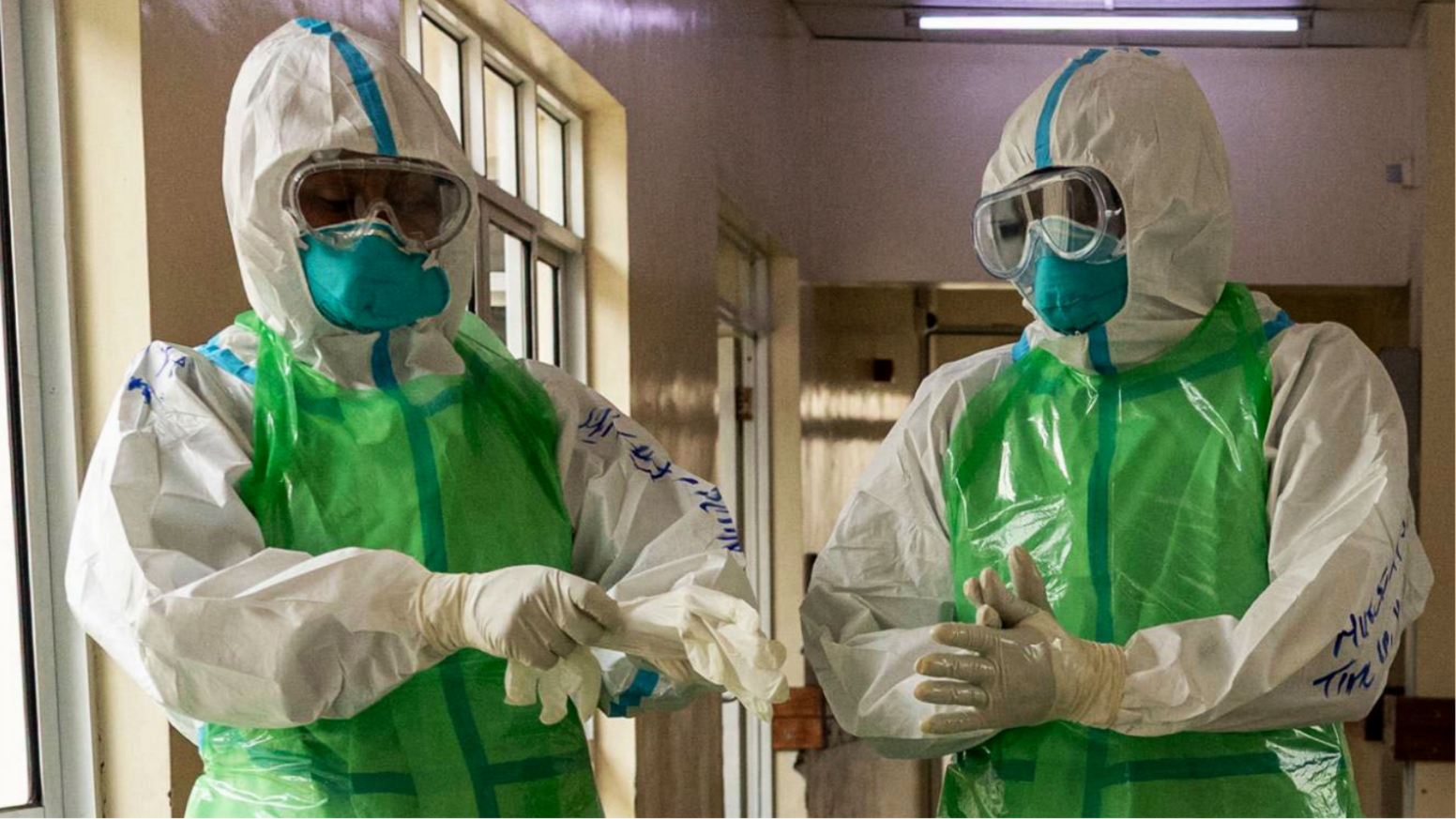
Nigeria’s previous experience in 2014, when it contained an Ebola outbreak that claimed eight lives, underpins the country’s robust contact‑tracing and isolation protocols. Health authorities have urged the public to cooperate with tracers and to practice hand hygiene.
The new case comes after nine Ebola cases were reported in Kenya, prompting the U.S. to raise its travel advisory there. In addition, the Nigeria Centre for Disease Control now requires health‑declaration forms for travellers arriving from countries with active transmission.
For more in‑depth coverage, see BBC Africa’s reports on Ebola and public health measures.