
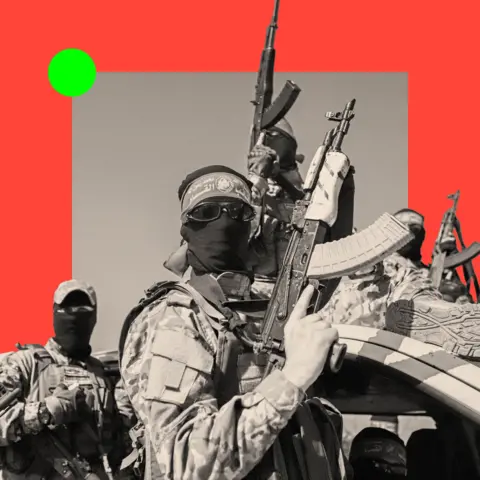
In brief
Hamas has significantly weakened but remains a dominant force in Gaza amidst chaos and turmoil after two years of conflict. While the group's leadership has taken heavy losses and atrocities continue in Gaza, discussions around possible reinvention are emerging as some members express a desire to leave behind violence. The article explores humanitarian crises, the response from international actors, and the complex ideologies at play that may shape Hamas's future.
As Hamas faces unprecedented challenges following two years of conflict, it grapples with internal strife and the loss of leadership while potentially paving the way to reinvent itself. This analysis examines the current state and future prospects of the organization in the context of the ongoing Gaza crisis.
Hamas appears to be struggling to maintain its grip on power as disturbing images from Gaza since the ceasefire’s initiation on 10 October reveal attempts to reassert authority through violence against rivals, including public executions. Reports suggest that some members of Hamas' leadership may be contemplating a transformative approach to governance amid overwhelming challenges.
On the ground, many residents express growing fears as lawlessness prevails, and humanitarian crises escalate. Several Gazans, including aid workers and former leaders, observe that while Hamas remains a lesser evil than rising gangs, it still maintains an iron grip on Gaza, ultimately making relinquishing control and disarming fighters a complex prospect.
International diplomatic efforts have shifted, as figures like former U.S. President Donald Trump signal fluctuating support, further complicating Hamas's potential transformation into a more politically accepted entity. Some analysts suggest that longstanding ideologies surrounding Hamas may require not only military defeat but a broader political approach to quelling its ideology.
In the midst of these developments, many within Hamas acknowledge the exhaustion from war and express a desire for different tactics. There are murmurs of a potential rebranding effort akin to historical transitions like the ANC in South Africa, but opinions remain deeply divided on whether Hamas can shed its violent roots to embrace a political role.
In conclusion, Hamas, albeit diminished, still poses a significant challenge regionally and internationally. Its future, steeped in uncertainty, may depend as much on shifts in leadership as on the external pressures from both the international community and the ongoing humanitarian crises faced by the Palestinian people.
Image credit: Getty Images
