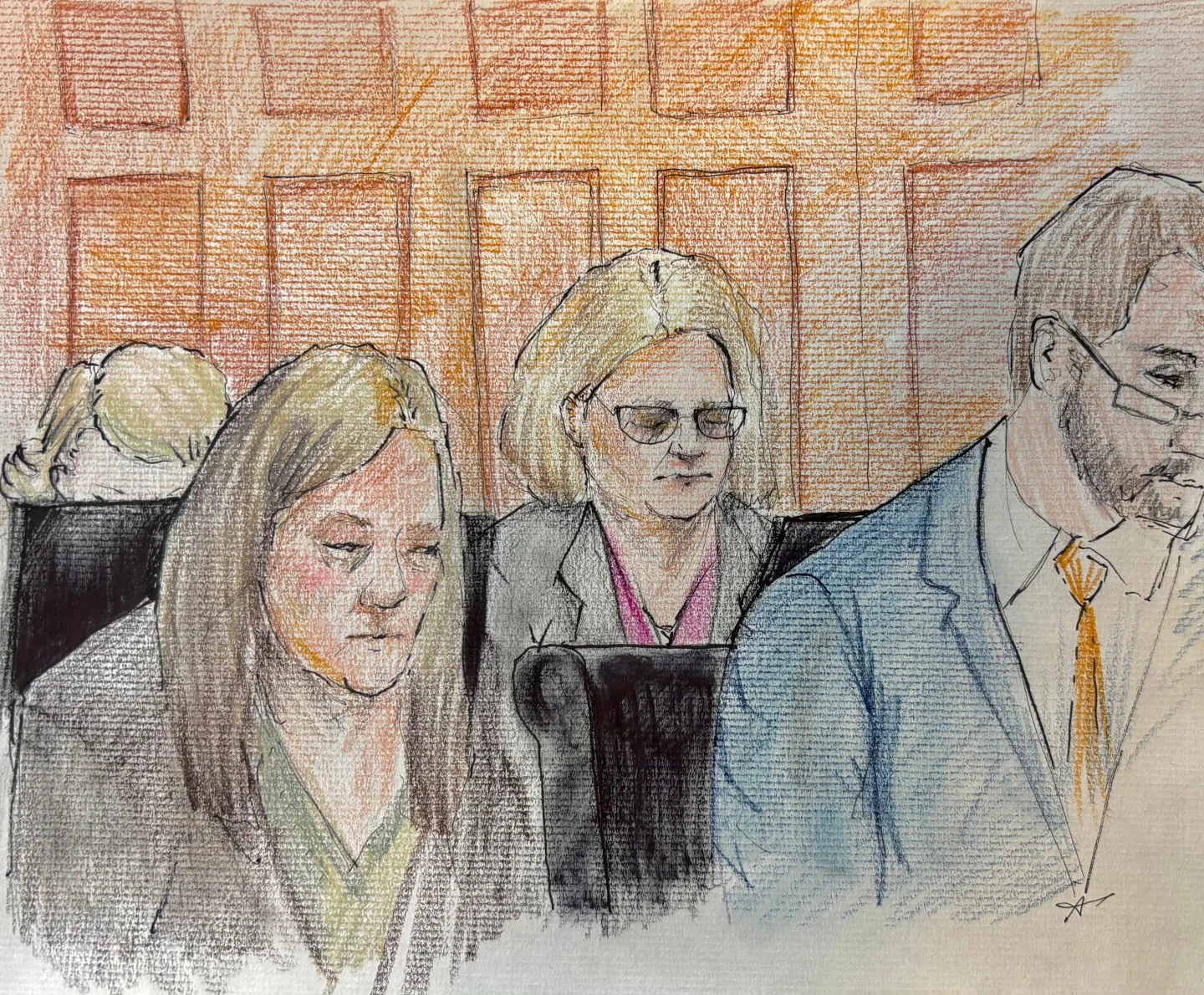
MILWAUKEE (AP) — In a contentious courtroom battle, Milwaukee County Circuit Judge Hannah Dugan faces accusations from prosecutors suggesting she obstructed federal immigration agents during an arrest. The events unfolded in April when agents were poised to take Eduardo Flores-Ruiz into custody.
On trial for obstruction and concealment, Dugan allegedly guided federal officers to the chief judge's office, providing a route for Flores-Ruiz's escape through a back door. Testimonies revealed tensions, with FBI agent Phillip Jackling expressing concern over a divided arrest team following Dugan's interactions.
Dugan's situation highlights the broader implications of immigration policies stemming from the Trump administration, with supporters claiming Dugan has become a target for politically motivated actions against judicial resistance to immigration arrests.
Facing charges that stem from a politically fraught context, the case raises questions about judicial independence and the complexities of law enforcement in immigration cases. Critical testimonies included remarks from Officer Joseph Zuraw, who noted Dugan's dismissive attitude towards the arrest team, exemplifying a charged atmosphere surrounding the trial.
Defense counsel posits that the immigration agents had the authority to arrest Flores-Ruiz at any moment, challenging the prosecution's narrative of obstruction. The prosecution maintains that Dugan was fully aware of the risks involved when she directed Flores-Ruiz away from his impending arrest, as indicated by her expressed willingness to take responsibility during internal discussions.
The case against Dugan is emblematic of significant ideological divides within contemporary American society concerning immigration and law enforcement practices. As the trial progresses, it remains to be seen how jurors will interpret the nuances of Dugan’s actions amid a polarized backdrop. The outcome may set a precedent regarding judicial roles when intersecting with immigration enforcement.
Dugan, with a potential maximum sentence of five years for the obstruction charge, has seen her case draw attention not only for its legal implications but also for its reflection of ongoing national debates over immigration policy and judicial independence. The trial is expected to conclude this week with closing arguments and jury deliberations to follow.