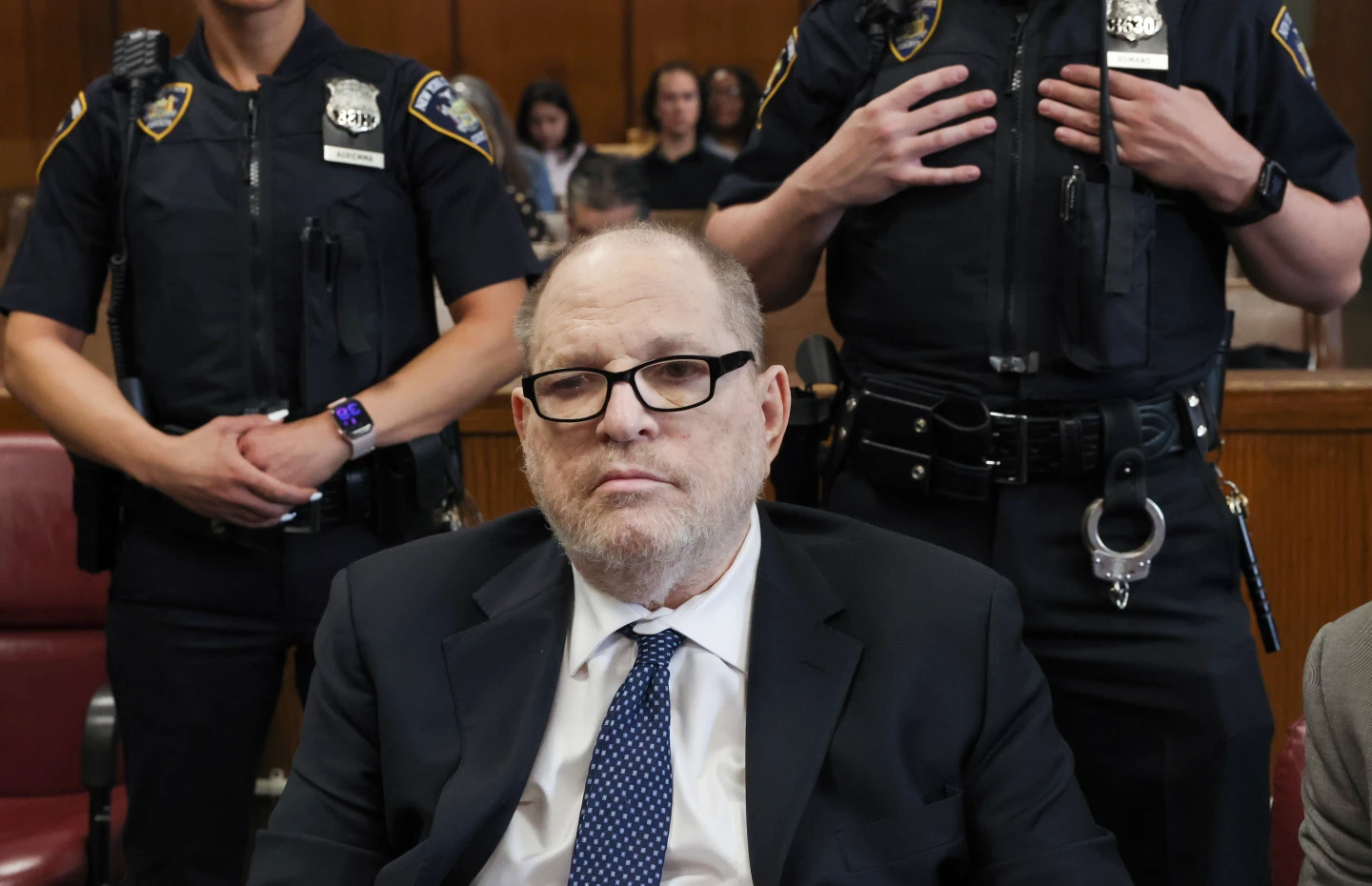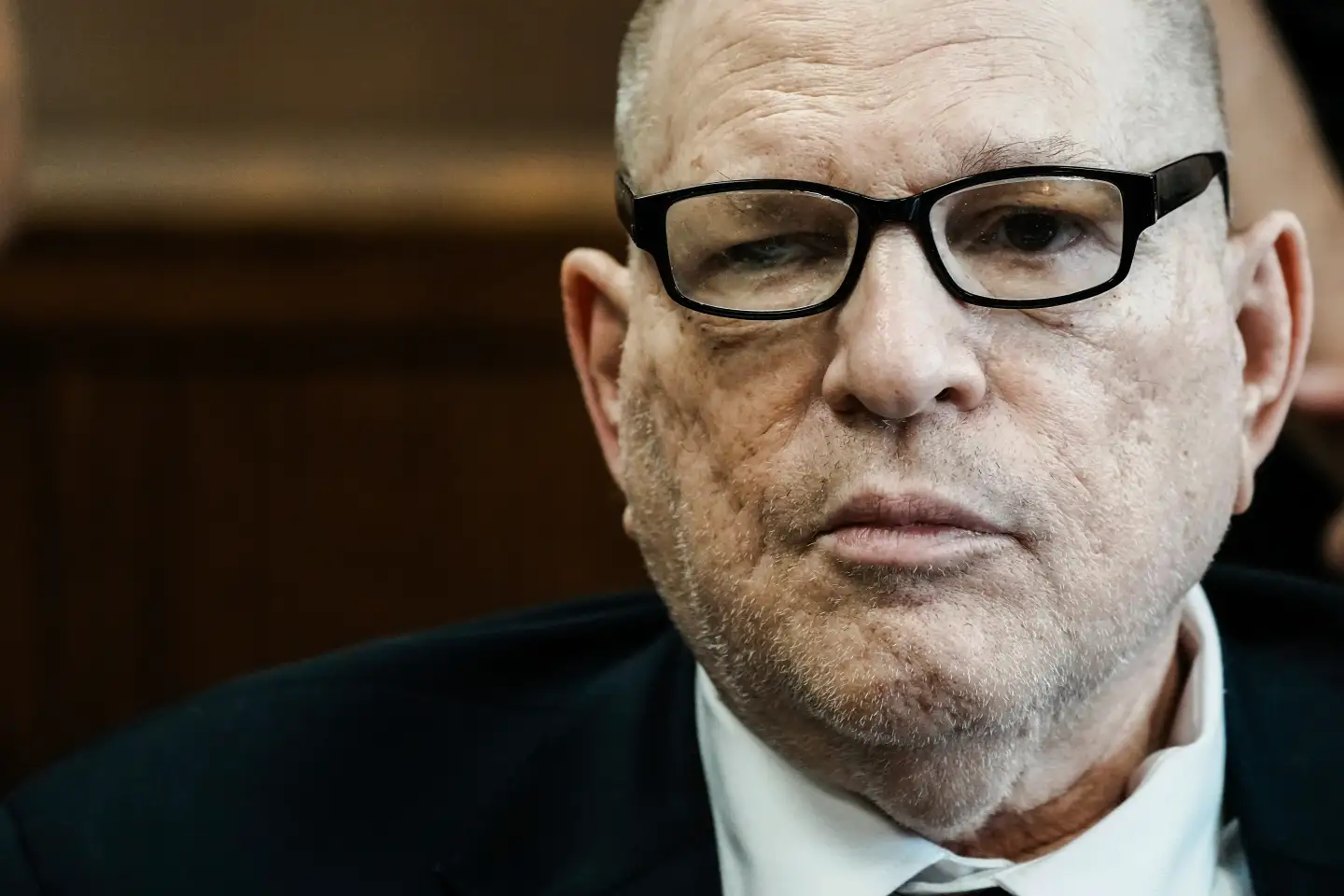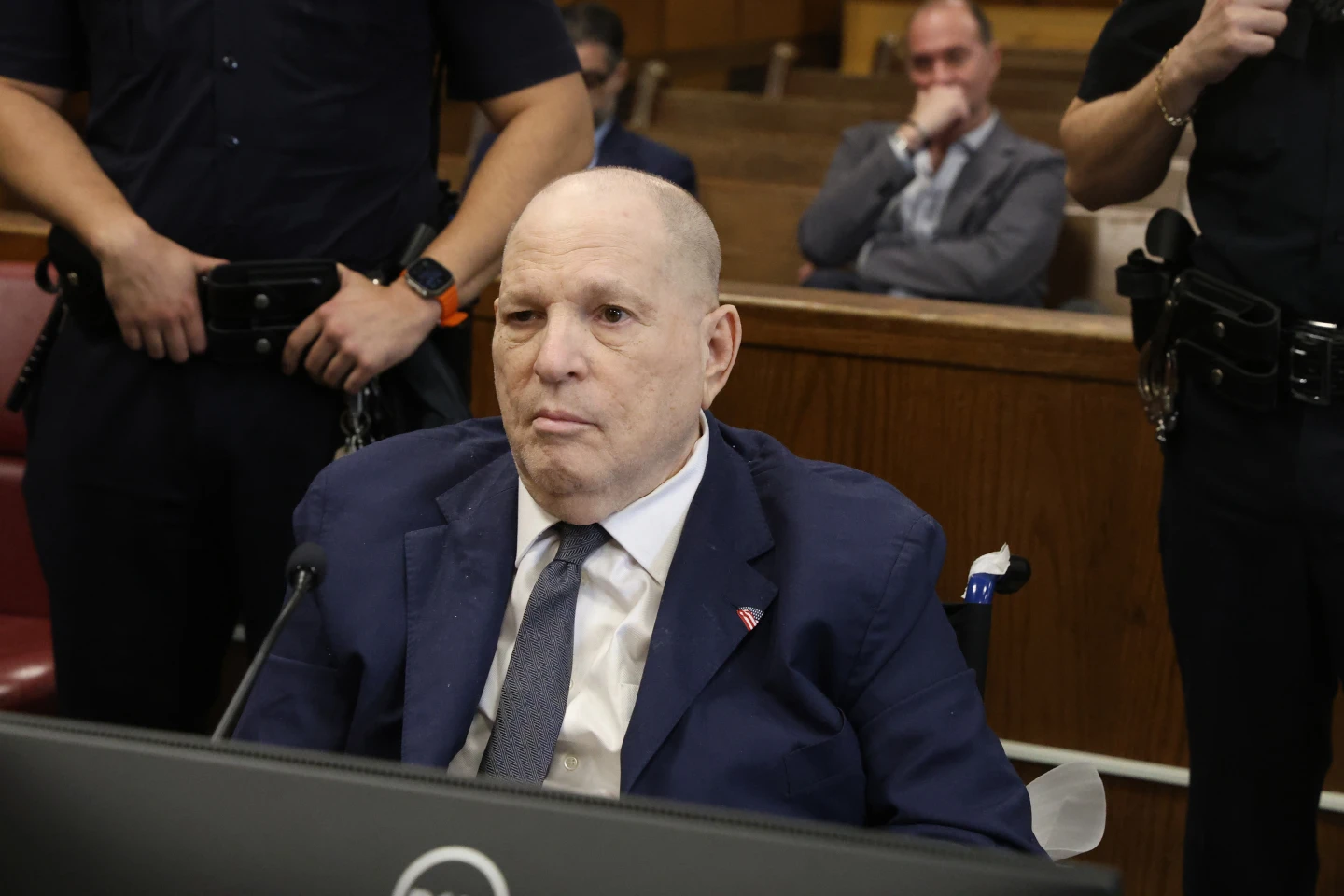
NEW YORK – After years marked by legal troubles and prison time, the once-prominent film mogul Harvey Weinstein is again facing a jury in New York City, starting with jury selection for his latest rape trial. The case centers on an incident allegedly involving hairstylist and actor Jessica Mann in 2013.
Jury selection for Weinstein's retrial is set to begin imminently. This trial marks a shift from previous legal proceedings, as it focuses solely on one allegation, contrasting with the extensive range of accusations raised during Weinstein’s earlier trials in New York and Los Angeles.
New defense attorney Marc Agnifilo insists that the strategy this time will not mirror prior approaches. Weinstein has consistently denied all allegations against him, asserting in court that he acted wrongly but never committed sexual assault.
New Judge Curtis Farber has indicated that certain evidentiary rulings might be reconsidered, which could impact how the court views Weinstein's history with Mann and the nature of their prior interactions. Furthermore, the change in Weinstein's legal counsel may significantly change the trial's dynamics.
Agnifilo, who has taken over the case from longtime attorney Arthur Aidala, brings his own litigation style, with significant differences from Aidala’s more affable approach. Agnifilo has been made aware of the complexities associated with representing a celebrity embroiled in sexual abuse allegations.
Weinstein, who once wielded considerable influence in Hollywood with hits like 'Pulp Fiction' and 'Shakespeare in Love,' has faced escalating legal challenges following the emergence of sexual harassment allegations that fueled the #MeToo movement in 2017. Charges against him began in earnest in 2018, culminating in convictions but also mixed jury verdicts in various trials.
This latest trial comes after previous retrials yielded complicated verdicts, including a conviction for forcing oral sex on production assistant Miriam Haley. However, jurors remained undecided on the charges concerning Mann.
In her testimony, Mann described a complicated relationship with Weinstein, asserting her lack of consent during the alleged assault in a hotel. Weinstein's lawyers have defended him by arguing that the women were drawn to his industry connections and willingly participated in interactions.
Weinstein’s previous convictions carry potential sentences of up to 25 years, based on the gravity of the charges, yet the current rape charge poses a lower threat, risking up to four additional years. Notably, he has experienced various health issues that have resulted in him using a wheelchair.
As Harvey Weinstein's complicated legal saga unfolds once more in the court, the implications for his reputation and the broader #MeToo dialogue continue to resonate deeply.