In brief
Hurricane Lala, though it never made landfall, dumped up to 35 inches of rain over Hawaii’s Big Island, causing flash floods and mudslides that swept away homes and left one person dead in a water‑surge incident. Over 200,000 residents lost power and a rescue operation has been launched to locate those whose houses were destroyed. The storm’s winds peaked at 91 mph, then eased to 65 mph, but tropical‑storm warnings still cover all eight major islands. National Guard teams, 180 firefighters, and backup generators at hospitals are active as airports reopen and flights have been postponed. Climate experts note the 2026 El Niño season may be fueling stronger storms like Lala.
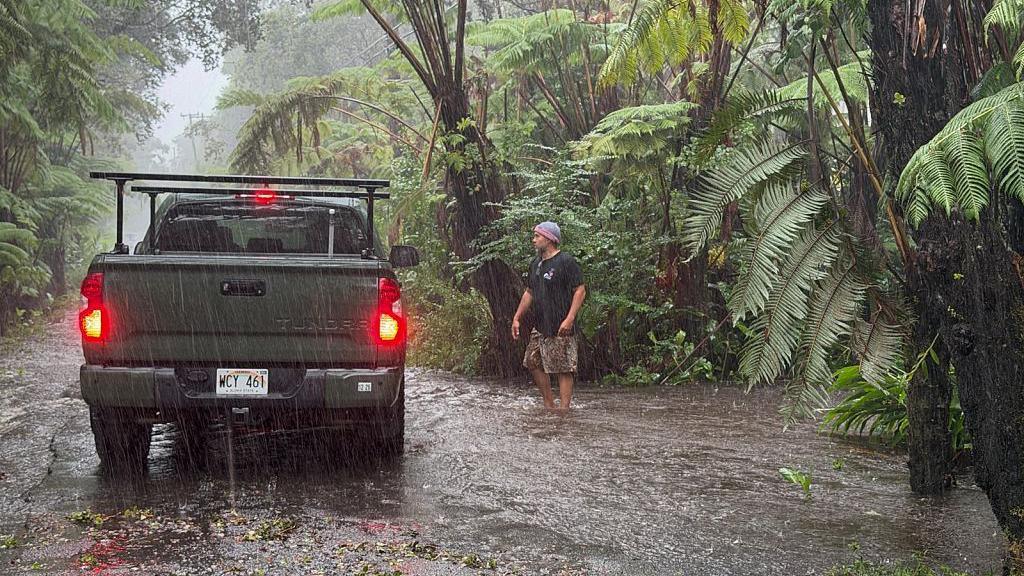
Category 1 Hurricane Lala moved past Big Island on 15 August 2026, delivering an intense mixture of rain and wind that sparked flash floods and terrible mudslides.
Although the eye never made landfall, the storm dumped up to 35 inches of rain in places, blasting torrents down the islands’ steep valleys.
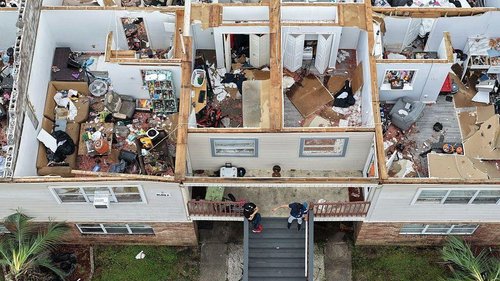
Power outages cut more than 200,000 households, while two homes were swept away, prompting a search‑and‑rescue operation led by the county civil‑defence office.
One driver lost his life when a sudden surge of water slammed into his vehicle on a rural road.
Tropical‑storm warnings remain in effect across all eight of Hawaii’s major islands as wind speeds approach 65 mph.
The National Hurricane Centre expects another 4 to 8 inches of rain over the Big Island, with up to 30 to 35 inches total across lower elevations.
180 National Guard members have been deployed to support emergency response and rescue work, while 219,000 customers are still without electricity.
Hawaii’s two main airports closed but have since reopened and 190 flights were postponed by the governor’s order. A few hospitals lost power but were kept running on backup generators.
Lower-level islands have also experienced disruptions: some residents in Maui had water supplies cut off late Saturday, and the National Weather Service reported at least one home lost to flood damage.
The last major hurricane to hit Hawaii—and the last to claim lives—was 1992’s Iniki, a Category 4 storm that caused six deaths and $3 bn in damage.
With a strong El Niño winter heating ocean temperatures, the U.S. is anticipating a sharper hurricane season, which could amplify future storm intensity.