In brief
A series of Houthi attacks on Saudi airports and oil infrastructure has prompted Energy Minister Prince Abdul Aziz bin Salman to vow a decisive response. The strikes have already claimed dozens of lives and disrupted air travel, prompting suspension of flights by Qatar and Etihad. International bodies, including the UN and the US, have condemned the attacks and called for dialogue. The situation reflects the wider Yemen conflict, where the Saudi-led coalition and the Houthis remain locked in a prolonged struggle that now threatens regional energy security.
Saudi Arabia’s Energy Minister Prince Abdul Aziz bin Salman has vowed a “serious” response to a series of Houthi missile and drone attacks on the kingdom’s airports and oil and gas sites, he said at the WPC Energy Congress in Riyadh.
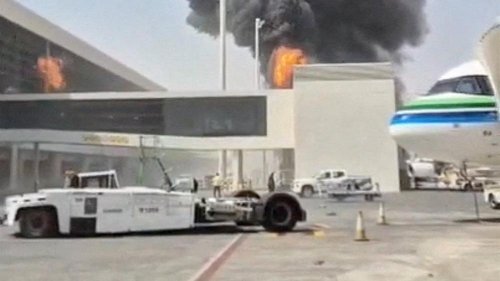
The attacks have already claimed dozens of lives, including a Pakistani resident who was killed when a projectile struck Terminal 4 at King Khalid International Airport. Earlier, a missile strike on Terminal 3 killed 13 people and forced the airport’s temporary closure.
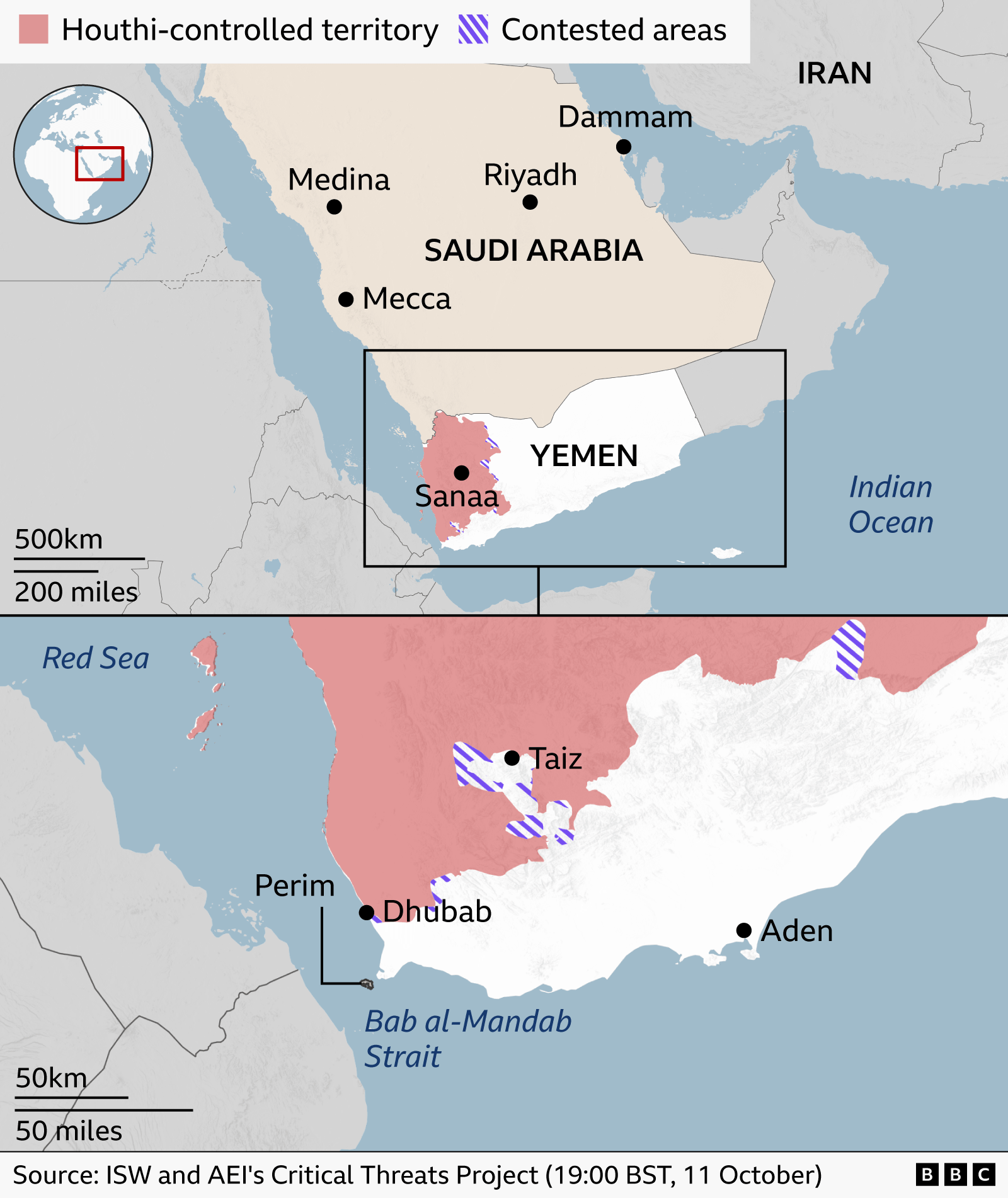
Houthis say they are retaliating for what they describe as Saudi aggression against areas they control in western Yemen. The Saudi‑led coalition, which is supporting Yemeni forces against the Houthis, has said it has intercepted several missiles and a drone launched at Riyadh and Dammam.
On Monday night, the coalition announced a ballistic missile had been intercepted and destroyed. Houthi spokesperson Yahya Saree also confirmed further attacks and warned airlines against using Saudi airspace, except for flights to Mecca and Medina.
The strikes have prompted emergency responses from international carriers: Qatar Airways announced a temporary suspension of flights to Riyadh and Dammam, while Etihad cancelled services between Abu Dhabi, Riyadh, Jeddah and Dammam citing regional disruption.
The King Khalid International Airport remains closed until Saturday, and the Saudi government has pledged to protect its infrastructure and people while affirming that energy security will not be taken for granted.
International reactions include the United Nations Secretary‑General’s condemnation of attacks on civilian infrastructure and calls for dialogue. The United States has reportedly been providing intelligence support to the coalition, while Iran has called for engagement to resolve the escalating conflict.
The scenario underscores the broader context of Yemen’s civil war, which began in 2014 when the Houthis seized the capital. The Saudi‑led intervention in 2015, the maritime embargo announced in July, and the seizure of the Bab al‑Mandab Strait have all contributed to the current volatility and its impact on regional energy supplies.