France sees more than 2,000 excess deaths amid record heatwave
France announced that 2,025 deaths occurred during the last week of June, a spike that represents a 29% rise compared with the prior week. Health officials highlighted that most of the excess mortality involved people over 45 years old, suggesting that older adults remain most vulnerable during extreme heat. The fatal toll follows a national average temperature reaching 41°C on 24 June, the hottest day on record for the country at that time.
The French data follow similar patterns elsewhere in Europe. Belgium reported 1,222 excess deaths during the same heatwave, while the Netherlands added roughly 480 in a single week, most of whom were over 80. Each of these nations received heat alerts at the red level, the highest warning tier, during the peak weeks.
Climate experts point out that Europe is warming twice as fast as the global average, a surge that increases the likelihood of prolonged heat spells, water shortages and intensified wildfire activity. The ongoing heatwave has already set the stage for record temperatures expected to spread across France, southern Britain and the Iberian Peninsula this week.
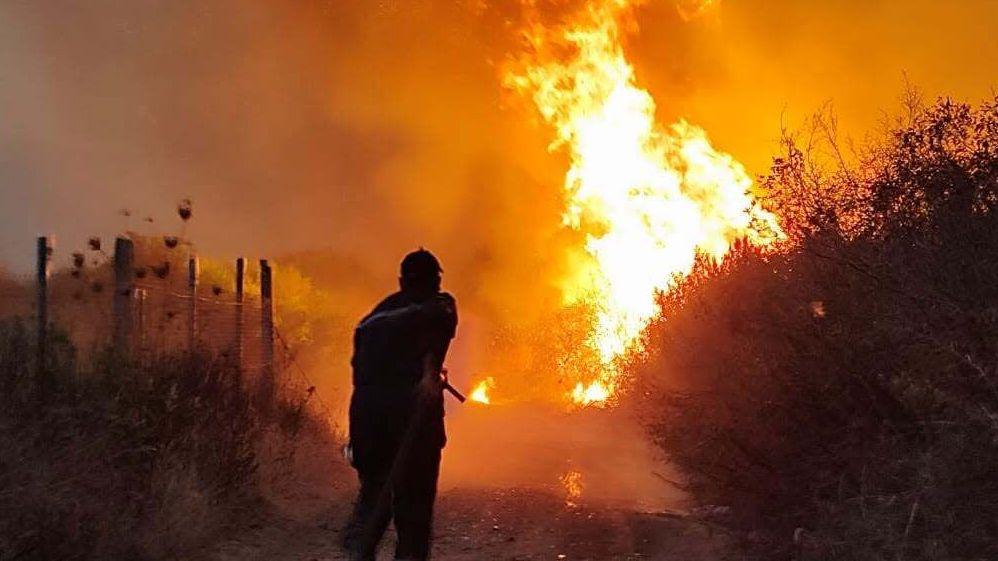
In terms of response, French authorities have issued red alerts for both heat and forest fires in the south, while the Interior Ministry noted 72 drowning deaths since 18 June due to high water levels. Prime Minister Sebastien Lecornu reported that nearly 7,000 fires started since the beginning of the summer, with 8,700 hectares burned and 3,000 casualties evacuated after a blaze in southern France.
Governments across the region are urging residents to seek shade, keep hydrated, and stay indoors during periods when temperatures exceed 30°C. Heatwave mass event plans, public cooling centers and telephone outreach programmes have been announced as measures to curb heat stress among the population.
The cumulative data and ongoing forecasts illustrate that EU countries are facing a new era in which extreme temperatures are not merely occasional but regular. Preparedness, public health policy and climate mitigation will need alignment to reduce the human toll of these events. The situation underscores the urgent need for coordinated action on public safety, infrastructure resilience and sustainable energy practices to mitigate future heatwave impacts.