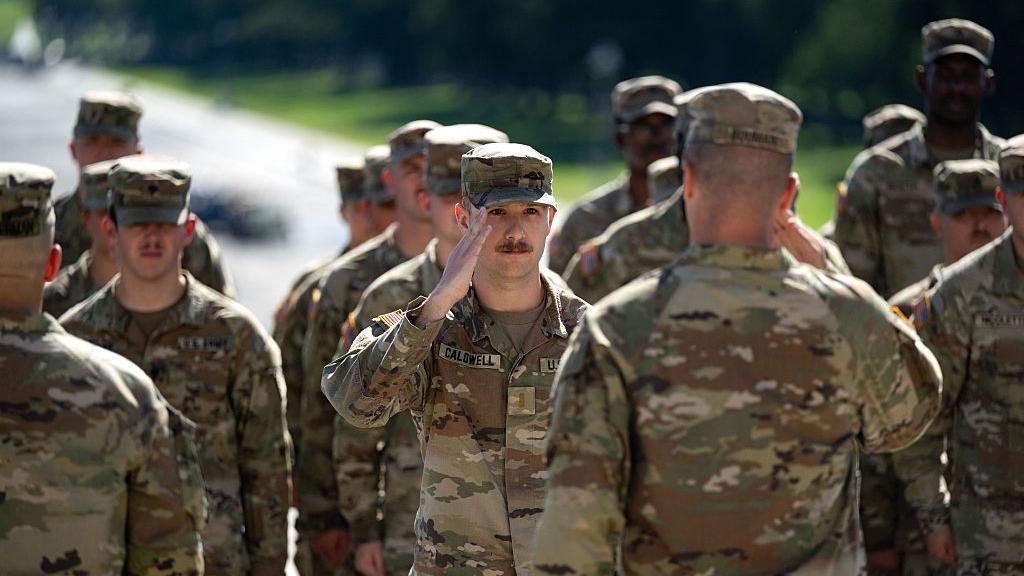
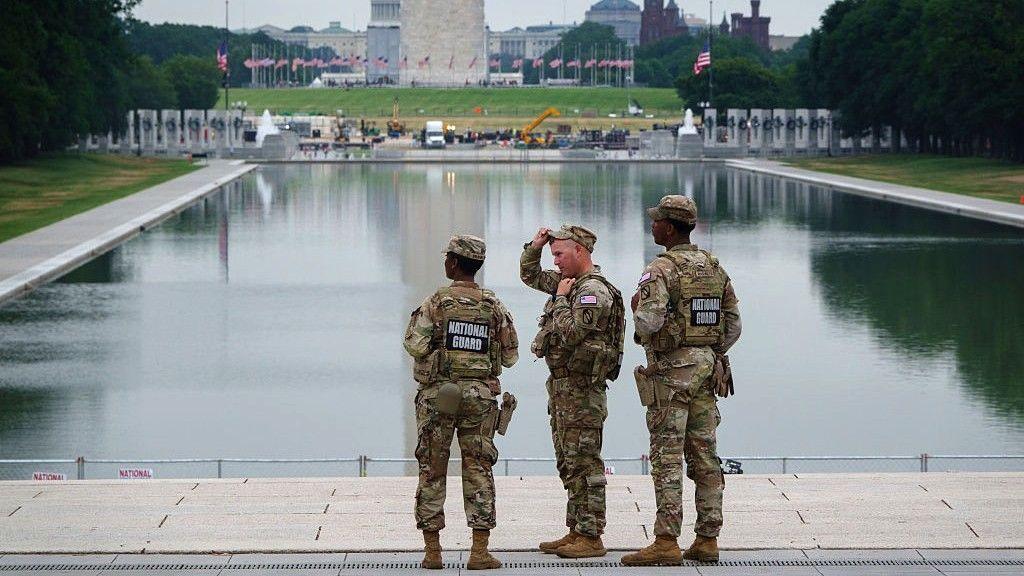
In a policy shift that underscores the administration’s emphasis on a traditionally masculine military, Defence Secretary Pete Hegseth announced that all U.S. soldiers over the age of thirty will undergo mandatory testing for testosterone deficiency as part of their annual health checks.
If a servicemember’s testosterone level falls below the health threshold, the Department of Defense will offer voluntary testosterone replacement therapy. The move mirrors the Trump administration’s long‑standing effort to lower barriers for prescribing testosterone to men, but it does not extend a similar pathway to female personnel, leaving an open question about gender equity in military health care.
Service members under thirty years of age are allowed to opt in, suggesting an effort to broaden the policy’s reach while also respecting the autonomy of younger troops.
According to analysts, the initiative signals a broader vision of a “manly” army that prioritises physical strength and traditional masculine attributes, potentially shaping future recruitment, training and health standards.
Critics argue that a gender‑specific medical strategy risks marginalising female service members and complicates the equitable provision of health services. They point to the need for a transparent policy on hormone therapy for women, especially as the armed forces continue to integrate more non‑binary and female personnel.
The policy, announced amid ongoing military reforms, also reflects the conflict between traditional pillar strengths and the modern inclusive model embraced by many branches of the armed services. It remains to be seen whether the initiative will be adopted across all ranks and whether it will influence the broader trend toward gender‑neutral health protocols.