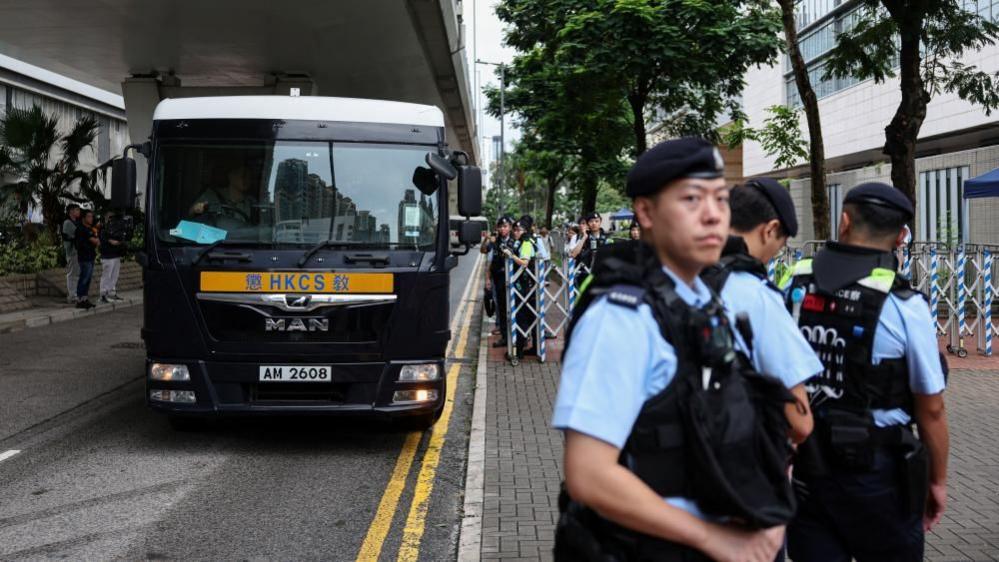
Hong Kong Activists Convicted Under National Security Law
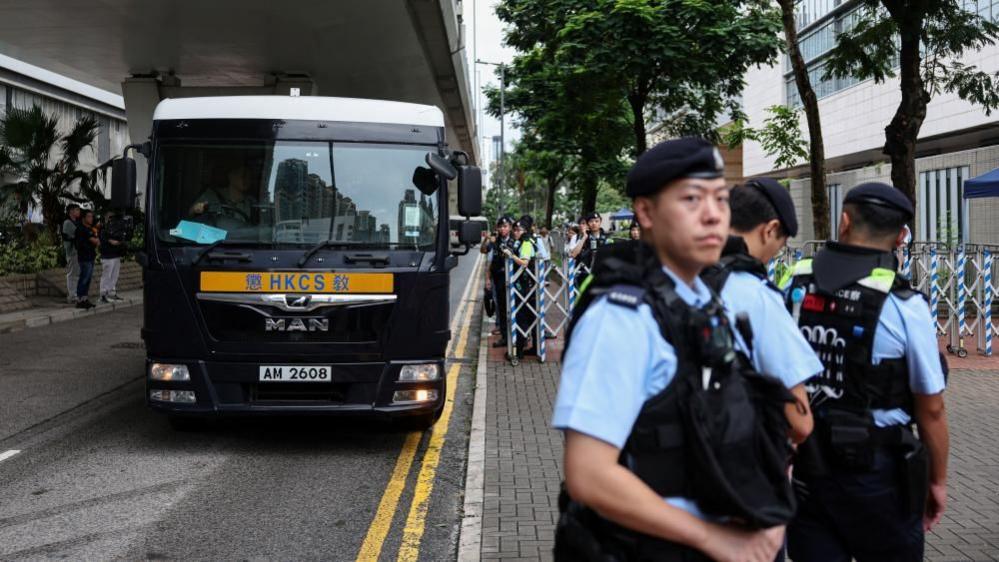
Two former leaders of the Hong Kong Alliance, Lee Cheuk‑yan (69) and Chow Hang‑tung (41), have been found guilty of “inciting subversion of state power” for organising annual vigils that marked the 1989 Tiananmen Square crackdown.
Both are facing a maximum of ten years in prison, while former lawmaker Albert Ho (74) had pleaded guilty in January and is already serving a sentence.
In the courtroom, prosecutors argued that the activists’ actions “endanger national security in the name of human rights”, a statement that has drawn criticism from civil‑rights groups. Chow, who represented herself, told the judge that the law itself was on trial, underscoring the complex legal landscape for dissent in Hong Kong.
Hong Kong once enjoyed a rare space for public commemoration of the Tiananmen crackdown, but bans imposed in 2020 under Covid‑19 restrictions—and the full implementation of the national security law that year—have halted all such gatherings. For many, these moves signal a tightening grip on freedoms that were a hallmark of the territory’s status as a Special Administrative Region of China.
Amnesty International has warned that the case relies on vague, overly broad definitions of “subversion”, calling the law a threat to free speech and democratic participation.
Sentencing is scheduled for a later date, and the verdict has already sparked reactions from both pro‑democracy supporters and Beijing‑aligned officials, illustrating the ongoing clash over the balance between state security and individual rights in Hong Kong.