In brief
A brief look at the origins of the Houthis, their recent missile and drone attacks on Riyadh’s airports and oil sites, and the reasons their guerrilla tactics make them difficult to defeat. The article examines how Iranian support and Yemen’s complex terrain give the group resilience, while ongoing civilian suffering fuels debate over diplomatic and humanitarian approaches.
The Houthi movement, officially the Ansar Allah movement, began as a Zaidi Shiite revivalist group in 1990s Yemen. Over decades, it evolved into a political‑military force that now controls large swathes of western Yemen, including the oil‑rich city of Hodeidah and the capital Sanaa when the government was toppled in 2014.
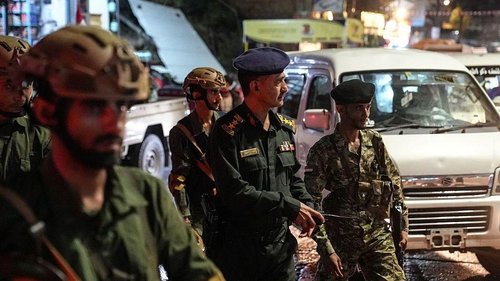
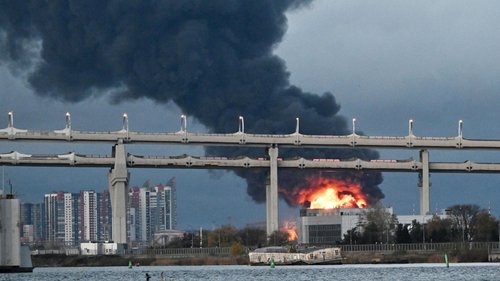
In the past week, they launched a series of missile strikes that hurt at least 14 people and injured more than 300 in Riyadh, targeting the city’s main airport and an oil terminal in Dammam. Houthi commanders say the attacks are retaliation for what they see as “brutal Saudi aggression” in areas they consider part of Yemen.
So why do Saudi air‑and‑ground forces still struggle to curtail Houthi tactics? The answer lies in a mix of geography, guerrilla warfare skills and regional backing. Yemen’s rugged highlands and dense coastlines give insurgents safe hide‑outs; air power is blunt in such terrain. The Houthis also use drones and rockets that can be launched from concealed locations, undermining Saudi precision strikes.
Iran’s support, from training to advanced missiles, further fuels the insurgency. The mujahedin’s alignment with a major regional rival adds a layer of geopolitical complexity that complicates both military and diplomatic solutions. For Saudi Arabia, striking at the Houthis risks civilian casualties and can trigger backlash from Yemeni populations, while for any external power, a direct intervention risks being embroiled in a protracted war.
Humanitarian concerns loom large. The blockade of Yemen’s ports, driven in part by Houthi strikes, has strangled fuel and medicine supplies, prompting international appeals for a ceasefire and negotiating a path that balances security with civilian relief. As the world watches, the Houthis remain a formidable opponent, not because of sheer force but because of their integration into the local social fabric and their strategic use of asymmetric tactics.